
Stroke & Neurointervention

Carotid Artery Disease

Narrowing of the carotid arteries can lead to stroke. Treatment is individual: not all carotid narrowing needs a stent.

What are the carotid arteries?

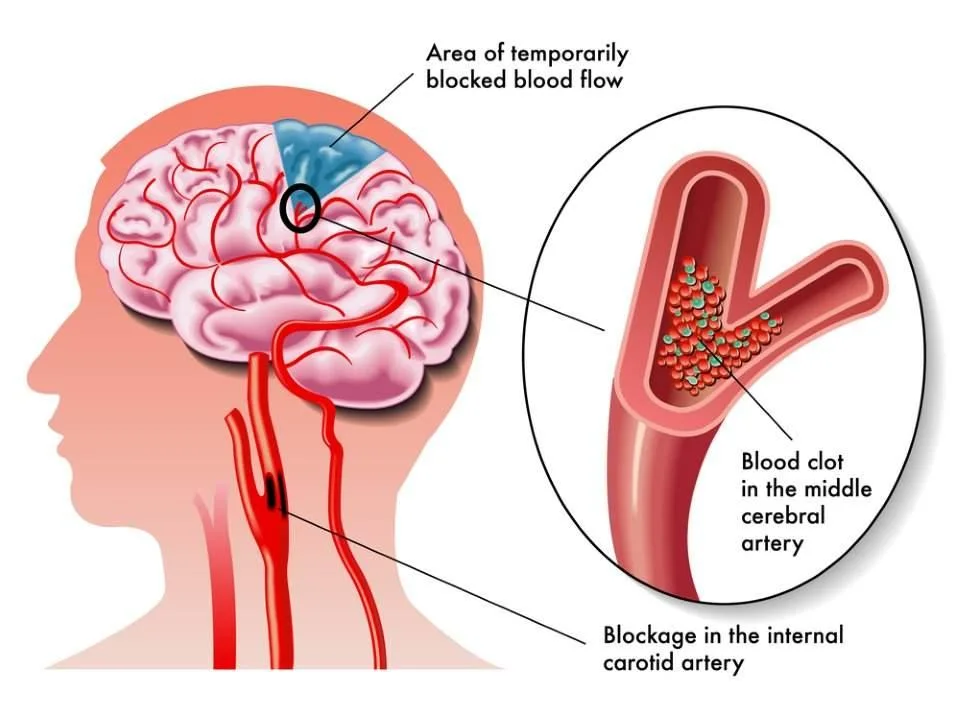
The two carotid arteries run up each side of the neck and supply blood to most of the brain. Narrowing of these arteries matters because it can reduce blood flow or release small clots that travel to the brain and cause a stroke.

Causes and risk factors

Carotid narrowing (stenosis) is usually caused by atherosclerosis, a build-up of fatty plaque in the artery wall. Risk factors include:

  • High blood pressure, diabetes and high cholesterol
  • Smoking
  • Increasing age and a family history of vascular disease
  • Heart disease or narrowing of other arteries

Symptoms and warning signs

Carotid narrowing often causes no symptoms until a stroke or a transient ischaemic attack (TIA) occurs. Warning signs include sudden weakness or numbness on one side, difficulty speaking, or sudden loss of vision in one eye, even if brief.

These symptoms need emergency assessment, even if they pass within minutes.

Clip · 65s
What happens during a stroke?

An animated explanation of how a blocked or burst blood vessel damages the brain.

Diagnosis and vascular imaging

  • Carotid Doppler ultrasound
  • CT angiography or MR angiography
  • Digital subtraction angiography (DSA) in selected cases, or as part of treatment

Stroke risk and individual assessment

Stroke risk depends on whether the narrowing has caused symptoms, how severe it is, the appearance of the plaque and the patient’s overall health. These factors guide the treatment plan.

Treatment options

  • Medical management for all patients: antiplatelet medicine, cholesterol-lowering medicine, blood pressure and diabetes control, and stopping smoking
  • Revascularisation for appropriate patients, usually with significant narrowing that has caused symptoms: carotid endarterectomy (surgery) or carotid stenting

Carotid stenting

In carotid stenting, a catheter is guided to the narrowed artery and a metal mesh stent is placed to hold it open, often with a protection device to catch any debris. It may be suitable for selected patients depending on symptoms, the degree of narrowing, anatomy and overall surgical risk.

Not all carotid stenosis requires stenting. Decisions depend on symptoms, severity, anatomy and overall risk.

Follow-up and stroke prevention

Follow-up includes ultrasound checks of the arteries and continued control of risk factors, whether or not a procedure was done.

FAQs

Frequently asked questions

Does carotid narrowing always need a stent?
No. Many people are treated with medicines and risk-factor control. Stenting is considered only for selected patients.
I have no symptoms. Do I need treatment?
Medical treatment and risk-factor control are recommended. Whether a procedure is advisable depends on the severity of the narrowing and your individual risk.
How is carotid narrowing found?
Usually with a Doppler ultrasound of the neck, sometimes followed by CT or MR angiography.

Open Mon–Sat, 9AM–5PM

Emergency or consultation?

For a suspected stroke, call 108 or go to the nearest emergency department now. For a non-emergency consultation about stroke prevention or follow-up, request an appointment or call the clinic at KIMS Hospitals (New Facility), Kondapur, Hyderabad, and bring your previous reports and scans.

Request appointment

Choose a day from Monday to Saturday. The clinic calls back to confirm your time.

Request appointment
Clinic hoursMon–Sat, 9AM–5PM9AM5PM
Call the clinic+91 93816 26283Visit KIMSKondapur · Get directions
Chat with us