
Stroke & Neurointervention

Cerebral Venous Thrombosis (CVT)

A clot in the veins that drain blood from the brain. It is treated mainly with blood-thinning medicine; endovascular treatment is reserved for selected situations.

What is cerebral venous thrombosis?

Cerebral venous thrombosis (CVT), also called cerebral venous sinus thrombosis, is a blood clot in the brain’s veins or venous sinuses. The blocked drainage raises pressure in the brain and can cause swelling or bleeding.

Symptoms and clinical presentation

  • Headache, often worsening over days, sometimes sudden and severe
  • Seizures
  • Blurred or double vision
  • Weakness, numbness or difficulty speaking
  • Drowsiness or confusion

Causes and risk factors

  • Pregnancy and the weeks after childbirth
  • Oral contraceptive pills or hormone therapy
  • Dehydration and infections, including of the ear, sinuses or face
  • Inherited or acquired clotting disorders
  • Cancer and some inflammatory conditions

Diagnosis

Diagnosis uses brain and venous imaging: MRI with MR venography, or CT with CT venography. Blood tests may look for an underlying cause.

Initial treatment

The main treatment is anticoagulation (blood-thinning medicine) where indicated, which stops the clot from growing and allows the veins to reopen. It is often used even when there is some bleeding in the brain, as decided by the treating team. Seizures, raised pressure and the underlying cause are also treated.

When specialised endovascular treatment may be considered

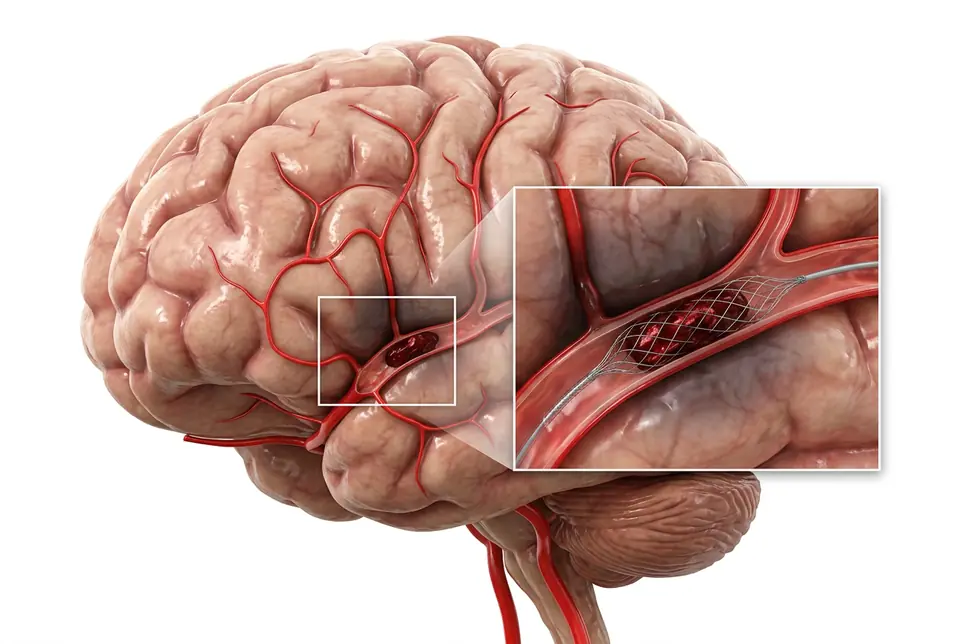
In a small number of patients who worsen despite appropriate anticoagulation, endovascular treatment to remove or dissolve the clot through a catheter may be considered.

Endovascular treatment is reserved for selected situations and is not routine for every patient with CVT.

Recovery and follow-up

Many patients recover well with treatment. Anticoagulation usually continues for several months or longer, depending on the cause. Follow-up includes imaging and review of headaches, vision and any seizures.

FAQs

Frequently asked questions

Is CVT a type of stroke?
Yes, it is an uncommon type of stroke that affects the veins rather than the arteries.
Does every patient with CVT need a procedure?
No. Most are treated with blood-thinning medicine. Endovascular treatment is considered only in selected situations.
How long will I take blood thinners?
Usually for several months, and sometimes longer depending on the cause. Your doctor will advise you.

Open Mon–Sat, 9AM–5PM

Emergency or consultation?

For a suspected stroke, call 108 or go to the nearest emergency department now. For a non-emergency consultation about stroke prevention or follow-up, request an appointment or call the clinic at KIMS Hospitals (New Facility), Kondapur, Hyderabad, and bring your previous reports and scans.

Request appointment

Choose a day from Monday to Saturday. The clinic calls back to confirm your time.

Request appointment
Clinic hoursMon–Sat, 9AM–5PM9AM5PM
Call the clinic+91 93816 26283Visit KIMSKondapur · Get directions
Chat with us