

What is it?
Vertigo is a false sense of spinning or movement. Dizziness is a broader term that can also mean light-headedness, unsteadiness or feeling faint.
Suspected stroke? Call 108 now. Don’t wait for an appointment.
Call 108
General Neurology
Dizziness has many causes, most of them in the inner ear. Assessment helps tell these apart from brain causes that need urgent care.
Vertigo is a false sense of spinning or movement. Dizziness is a broader term that can also mean light-headedness, unsteadiness or feeling faint.
Spinning, swaying or tilting sensations, nausea or vomiting, unsteadiness, and sometimes hearing changes or ringing in the ear. Symptoms may last seconds, hours or days.
Often strong spinning, may be triggered by head movement, sometimes with hearing changes. Usually no other neurological symptoms.
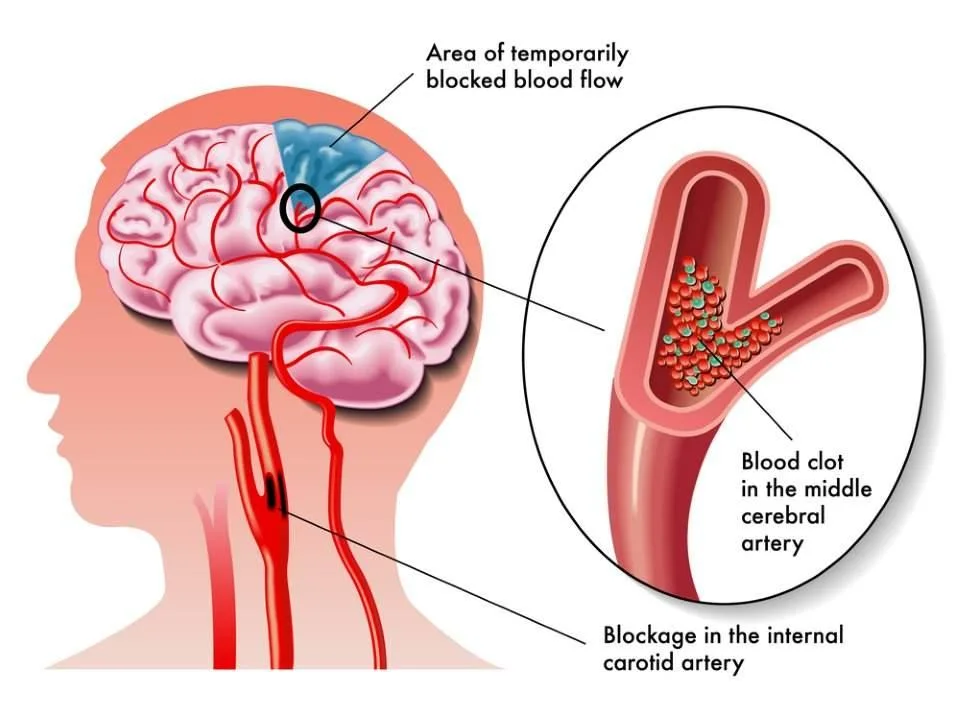
Often with other signs such as double vision, slurred speech, weakness, numbness or severe difficulty standing or walking. Needs urgent assessment.
A careful history of what the dizziness feels like, how long it lasts and what triggers it, followed by a neurological examination, eye movement tests and positional tests. Hearing tests or MRI are advised when needed.
Open Mon–Sat, 9AM–5PM
Request an appointment for vertigo or dizziness at KIMS Hospitals (New Facility), Kondapur, or call the clinic. Bring previous prescriptions, scan reports and a list of your current medicines.
Choose a day from Monday to Saturday. The clinic calls back to confirm your time.
Request appointment