Stroke & Neurointervention

Stroke Treatment in Hyderabad

Stroke is a medical emergency. Fast assessment and brain imaging decide which treatment, if any, is suitable. Dr. Manoj Vasireddy treats acute stroke at KIMS Hospitals, Kondapur.

Recognising stroke

Stroke symptoms start suddenly. Remember BE FAST and act at once, even if the symptoms improve:

  • Balance: sudden loss of balance or coordination
  • Eyes: sudden loss of vision or blurred vision
  • Face: one side of the face drooping
  • Arms: weakness or numbness in one arm or leg
  • Speech: slurred speech or difficulty finding words
  • Time: call 108 and note the time the symptoms started

Types of stroke

The two types can look the same, so brain imaging is needed before treatment. A transient ischaemic attack (TIA, "mini-stroke") also needs urgent assessment.

  • Ischaemic stroke

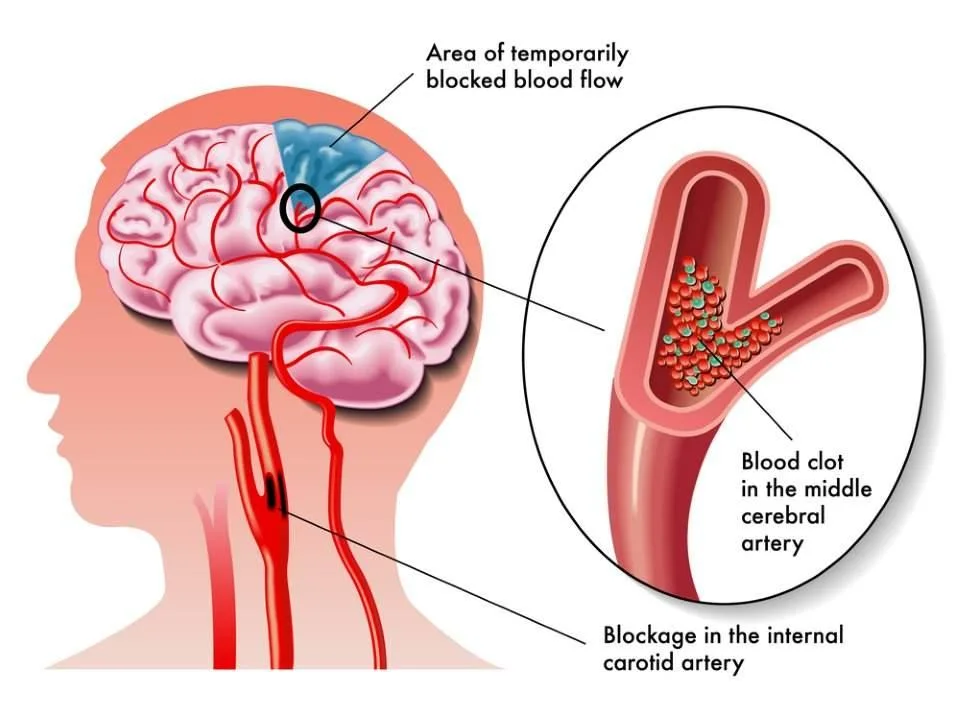
    A blood clot blocks an artery supplying the brain. This is the most common type. Some patients can be treated to restore blood flow.

  • Haemorrhagic stroke

    A blood vessel bursts and bleeds into or around the brain. Treatment focuses on controlling the bleeding, blood pressure and its cause.

Clip · 65s
What happens during a stroke?

An animated explanation of how a blocked or burst blood vessel damages the brain.

Emergency evaluation

On arrival, the team checks the symptoms and when they started, blood pressure and blood sugar, and examines the patient neurologically.

A CT or MRI scan of the brain shows whether there is bleeding. Vascular imaging such as CT angiography shows whether a large artery is blocked. These results guide every treatment decision.

Treatment options

Treatment depends on the type of stroke, the imaging and the time since symptoms began.

  • Thrombolysis: clot-dissolving medicine given into a vein, for eligible patients with ischaemic stroke within a limited time window
  • Mechanical thrombectomy: removal of a clot from a large artery through a catheter, for selected patients
  • Other management: blood pressure control, treatment of the cause, swallowing assessment and care on a stroke unit

Mechanical thrombectomy

When a large brain artery is blocked, a thin catheter can be guided from the groin or wrist to the clot, which is then removed to restore blood flow. It is suitable only for selected patients after imaging.

Mechanical thrombectomy
Clip · 60s
Thrombectomy animation

A stent retriever is guided to the clot, captures it and pulls it out to restore blood flow.

Eligibility

Whether a treatment is suitable depends on several clinical and imaging factors:

  • The time since the symptoms started or since the person was last seen well
  • The severity of the symptoms
  • Whether imaging shows bleeding, a blocked large artery and brain tissue that can still be saved
  • Other medical conditions, medicines such as blood thinners, and recent surgery or bleeding

Not every stroke patient needs or will benefit from a procedure. During an acute stroke, an outpatient appointment is not appropriate: call 108.

After stroke

After the emergency phase, patients are monitored for complications and the cause of the stroke is investigated.

  • Secondary prevention: medicines and control of blood pressure, diabetes, cholesterol and smoking
  • Rehabilitation: physiotherapy, speech and swallowing therapy, and occupational therapy
  • Regular follow-up to adjust treatment and support recovery
Life after stroke: recovery and rehabilitation
Videos

Watch Dr. Manoj explain

Short talks recorded by Dr. Manoj for patients and families, in plain language.

  • NeuroCare Hyderabad · Telugu · 3 Nov 2025

    Interview on brain stroke awareness

    Dr. Manoj Vasireddy, Consultant Interventional Neurologist at KIMS Hospitals, Kondapur, Hyderabad, speaks in Telugu about brain stroke awareness: why stroke is a medical emergency, why recognising the warning signs early matters, and why patients should reach a stroke-ready hospital quickly for assessment and treatment.

    • brain stroke awareness
    • stroke warning signs
    • stroke emergency
    • stroke treatment in Hyderabad
    • Telugu health interview
  • NeuroCare Hyderabad · Telugu · 1 Nov 2025

    Recognising stroke symptoms early can save a life

    In this Telugu video, Dr. Manoj Vasireddy, Consultant Interventional Neurologist at KIMS Hospitals, Kondapur, Hyderabad, explains what a brain stroke is and the difference between ischaemic stroke (a blocked blood vessel) and haemorrhagic stroke (bleeding in the brain). He walks through the FAST warning signs (face drooping, arm weakness, speech difficulty, time to call for help) and why a suspected stroke needs emergency care at once, since treatments such as clot-dissolving medicine and mechanical thrombectomy work only within a limited time.

    • stroke symptoms
    • FAST stroke signs
    • ischaemic and haemorrhagic stroke
    • brain stroke treatment
    • mechanical thrombectomy
    • stroke specialist in Hyderabad
    • Telugu health video
FAQs

Frequently asked questions

What should I do if I think someone is having a stroke?
Call 108 or go to the nearest emergency department straight away and note the time the symptoms started. Do not wait to see if the symptoms pass, and do not give food or drink.
Does every stroke need thrombectomy?
No. Thrombectomy helps selected patients with a blockage in a large brain artery. Many strokes are treated with medicines and supportive care.
Can a stroke be treated if the symptoms have gone away?
Symptoms that go away may be a TIA, which is a warning sign of a possible stroke. It still needs urgent medical assessment.
Will I recover fully after a stroke?
Recovery differs from person to person and depends on the type and size of the stroke and how quickly treatment started. Rehabilitation and prevention help, but full recovery cannot be guaranteed.

Open Mon–Sat, 9AM–5PM

Emergency or consultation?

For a suspected stroke, call 108 or go to the nearest emergency department now. For a non-emergency consultation about stroke prevention or follow-up, request an appointment or call the clinic at KIMS Hospitals (New Facility), Kondapur, Hyderabad, and bring your previous reports and scans.

Request appointment

Choose a day from Monday to Saturday. The clinic calls back to confirm your time.

Request appointment
Clinic hoursMon–Sat, 9AM–5PM9AM5PM
Call the clinic+91 93816 26283Visit KIMSKondapur · Get directions
Chat with us