
Life after stroke: Recovery and rehabilitation tips
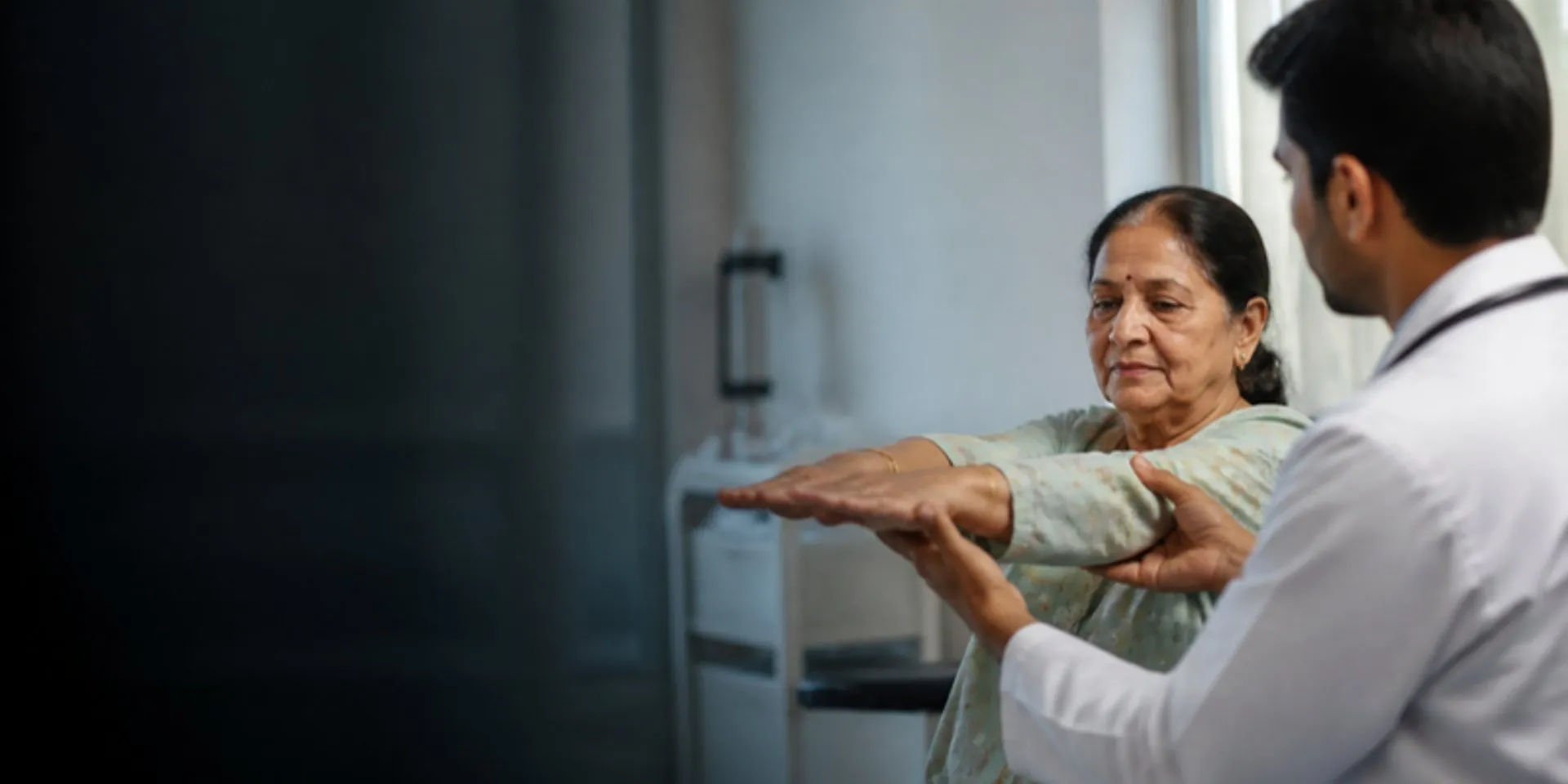
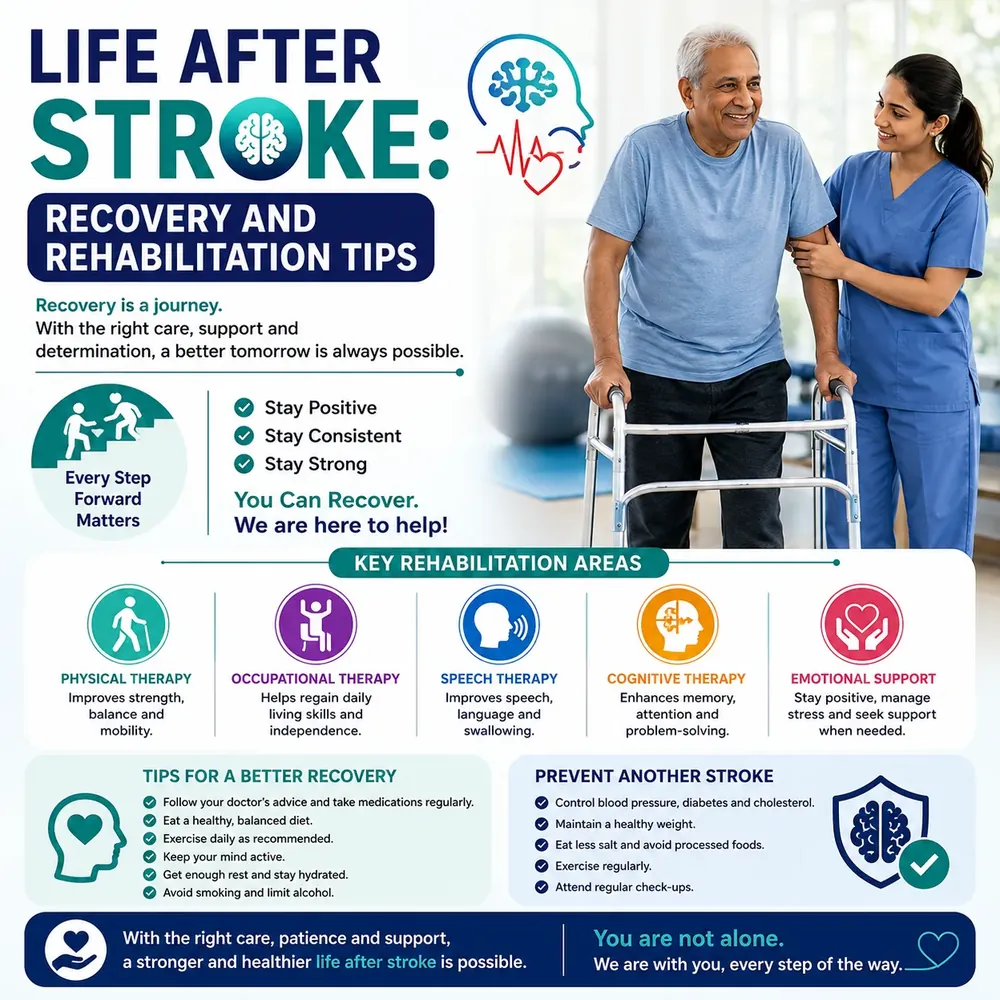
Recovery after a stroke takes time. What to expect in the first months, how therapy helps movement and speech, and practical tips for daily life.
Read articleSuspected stroke? Call 108 now. Don’t wait for an appointment.
Call 108
Patient Resources
Plain-language articles on stroke, brain aneurysms, angiography, headaches and everyday neurological health.
Recognising a stroke, emergency treatment including thrombectomy, recovery and prevention.
Recovery after a stroke takes time. What to expect in the first months, how therapy helps movement and speech, and practical tips for daily life.
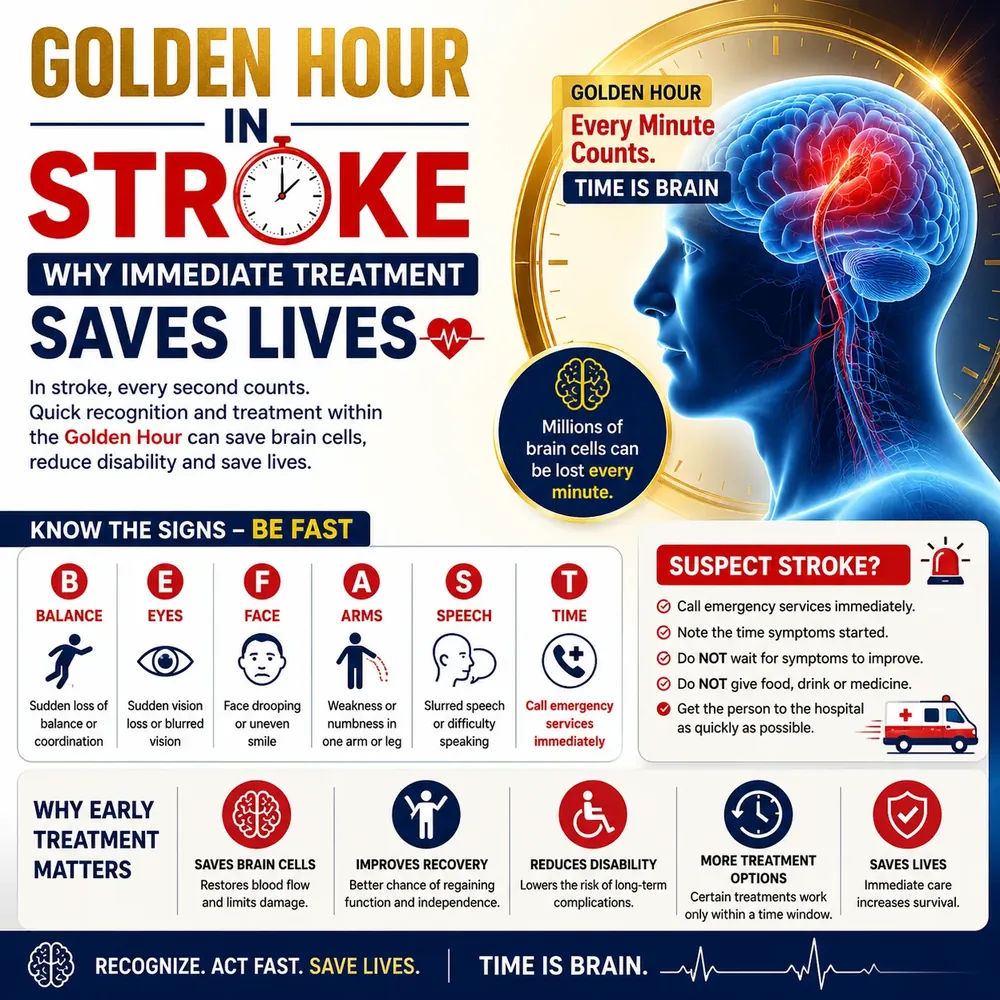
Read articleWhy the first hours after a stroke matter so much, the warning signs to act on, and what treatment can be given if the patient reaches hospital early.
Read articleWho Dr. Manoj Vasireddy is, what an interventional neurologist does, the conditions and procedures he handles, and how to book a visit at KIMS Kondapur.
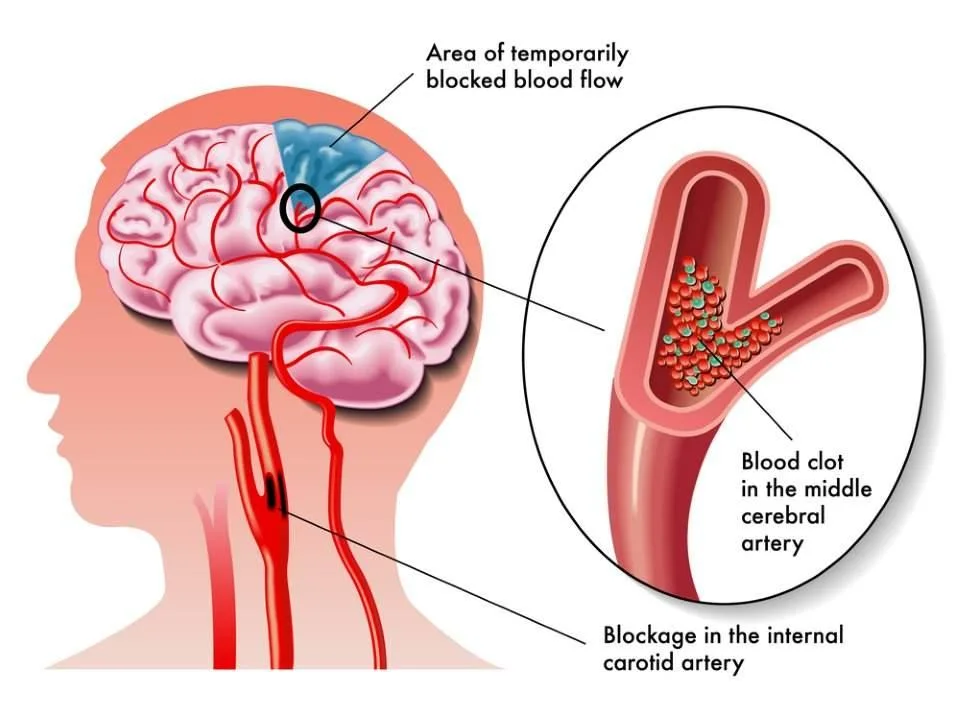
Read articleWhat a stroke is, the warning signs to act on, and what doctors do in the first hours: scans, clot-dissolving medicine, thrombectomy, and care afterwards.
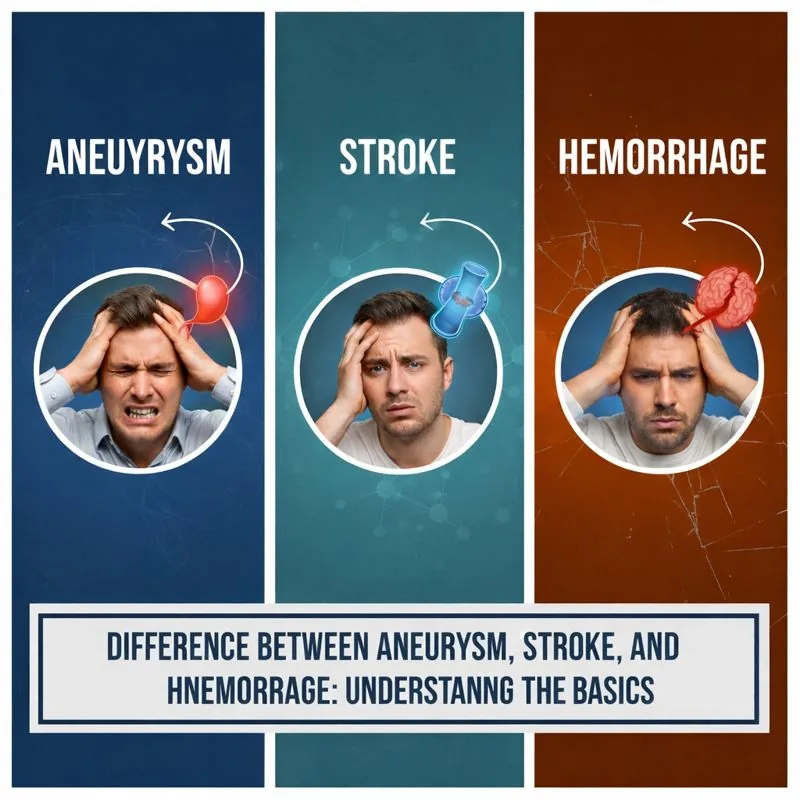
Read articleAneurysm, stroke and haemorrhage are often mixed up. What each word means, how they are linked, and the symptoms that need emergency care.
Read articleStroke is not only a disease of older people. Why young adults have strokes, the warning signs to watch for, and the risks you can reduce.
Read articleHow aneurysms are found and assessed, when they are monitored, and coiling and flow diversion.
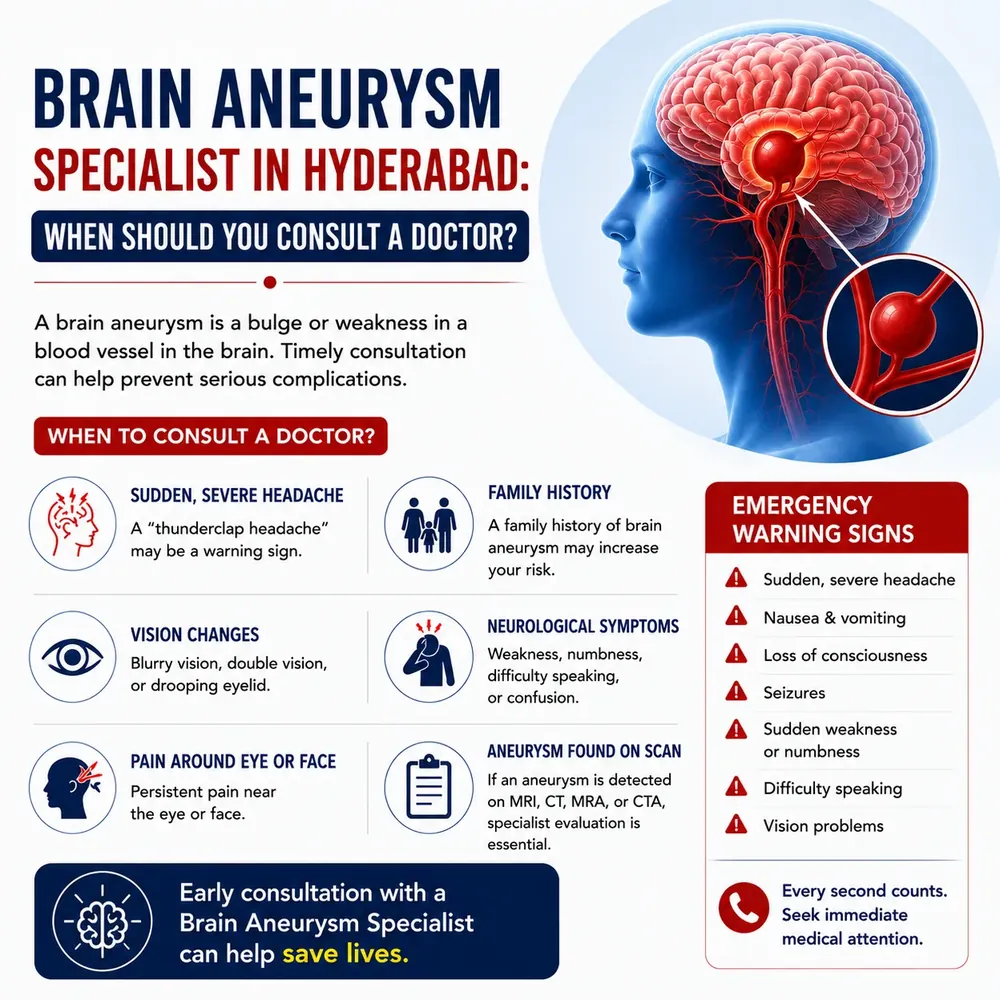
A brain aneurysm is a weak, bulging spot in a brain artery. When to see a specialist, which tests are used, and how treatment decisions are made.
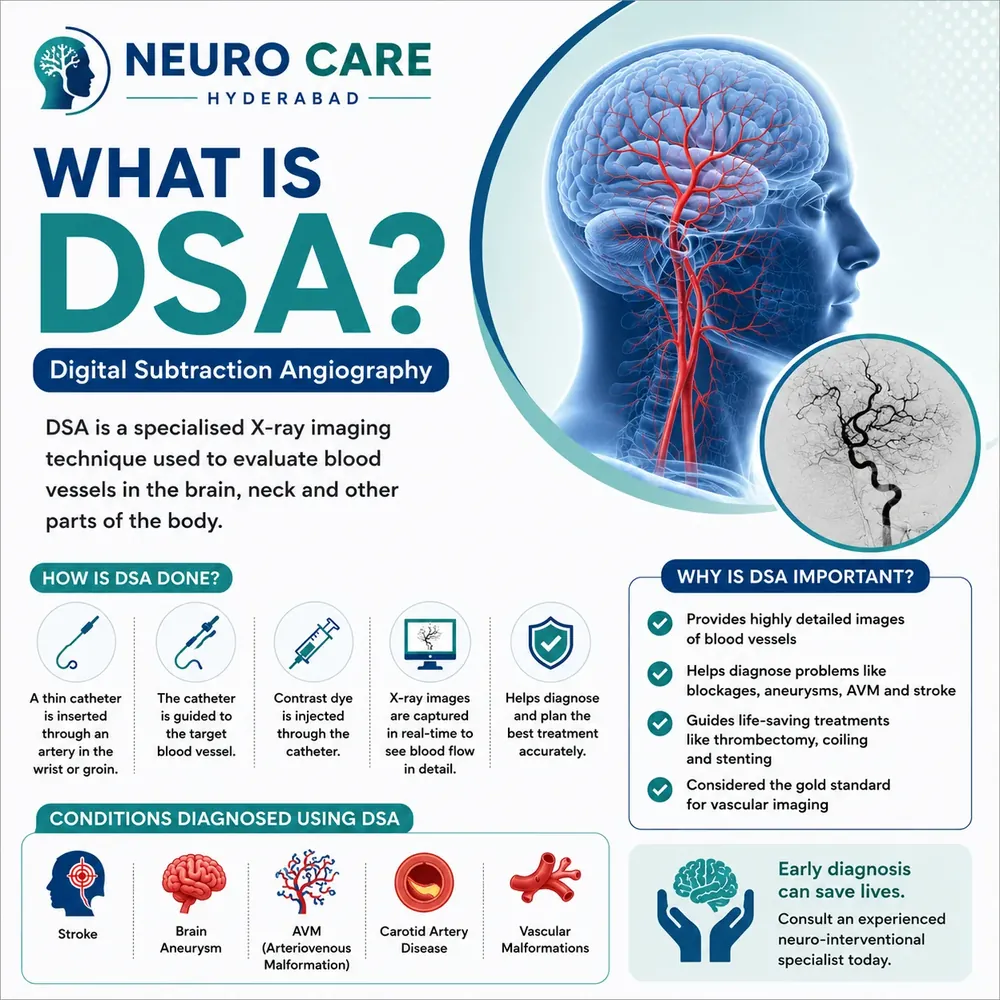
Read articleDSA is a detailed X-ray picture of the blood vessels in the brain and neck. Why it is done, how to prepare, what happens during the test and after.
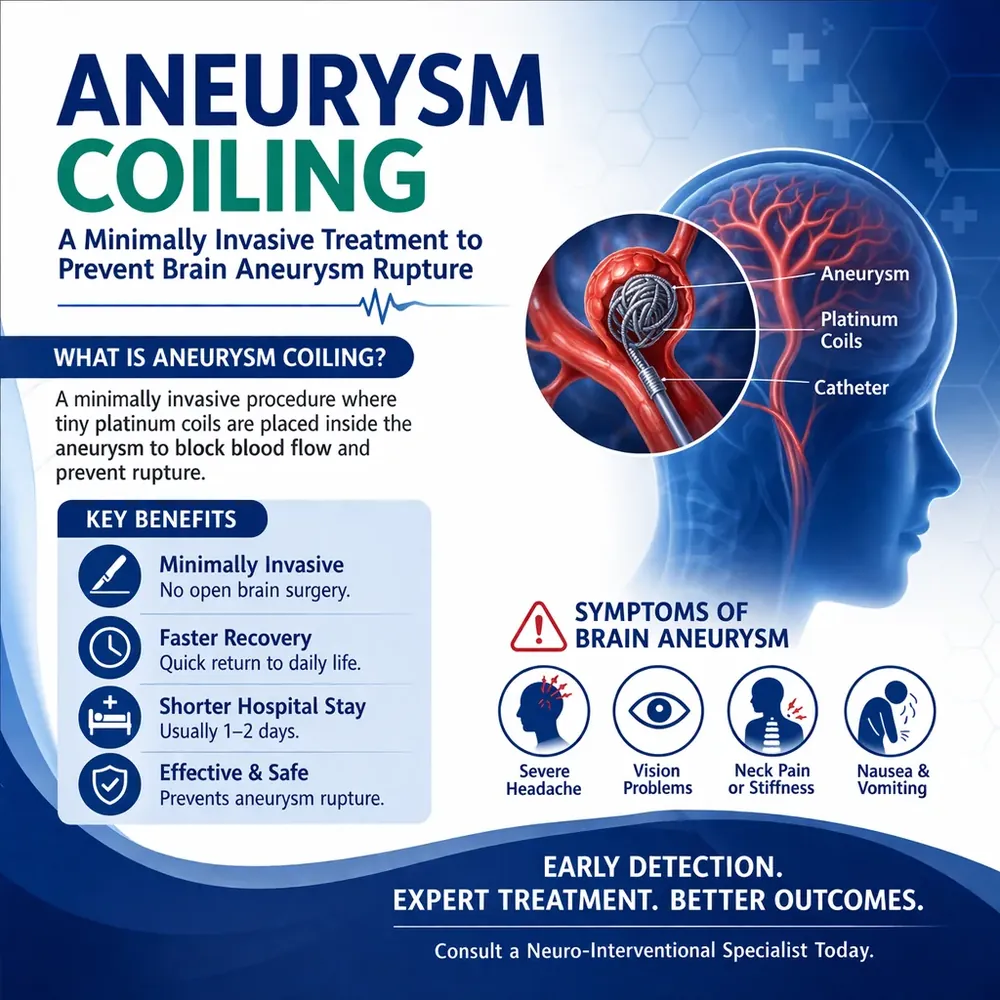
Read articleAneurysm coiling seals a brain aneurysm from inside the artery, without opening the skull. How it works, its benefits, and who carries it out.
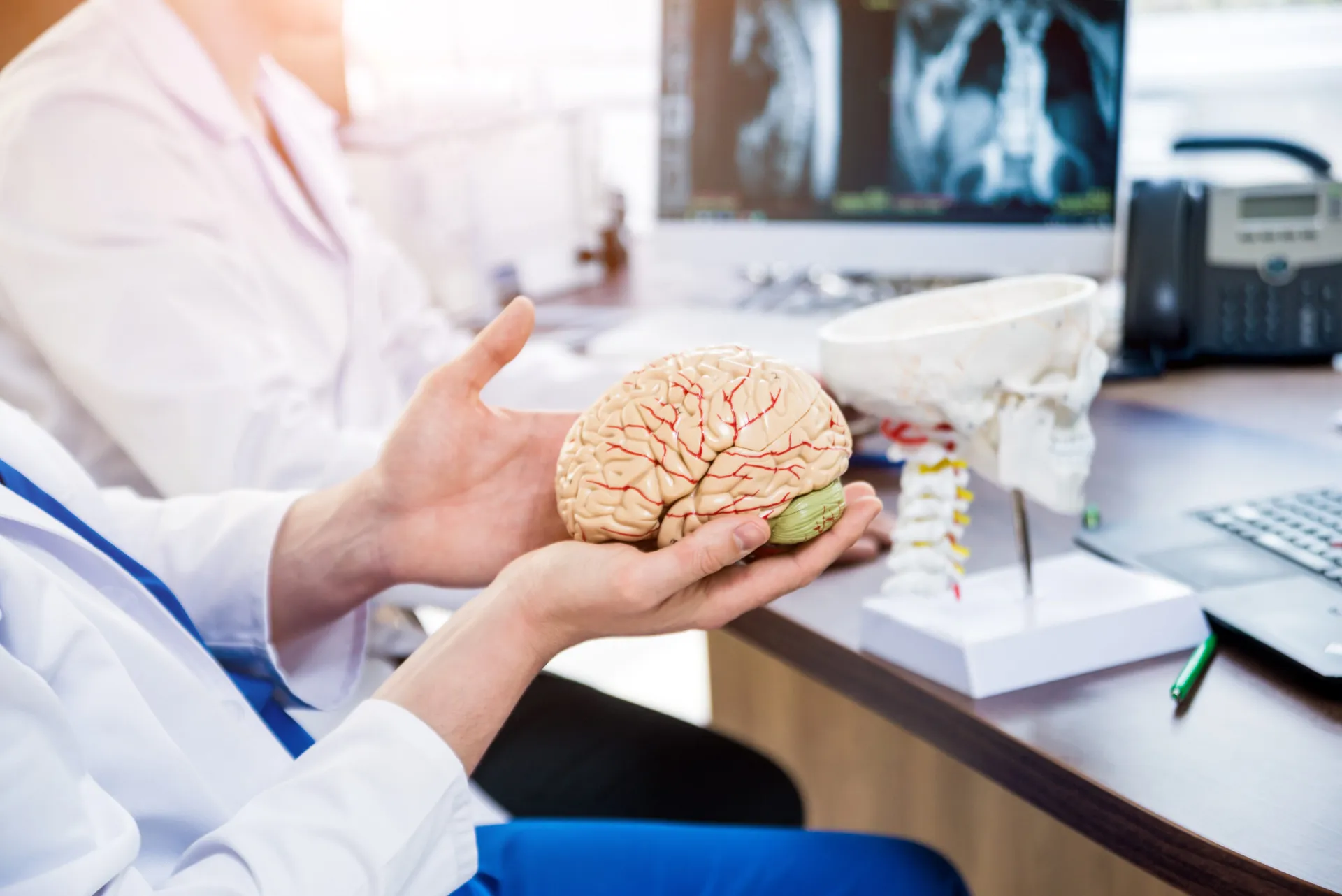
Read articleA brain aneurysm is a weak spot in a brain artery that bulges outward. Causes, symptoms, how it is found on scans and the treatment options.
Read articleEveryday neurological symptoms, what can cause them and when to seek urgent care.
Vertigo is a false sense of spinning. Most cases come from the inner ear and settle, but some brain causes need urgent care. How to tell them apart.
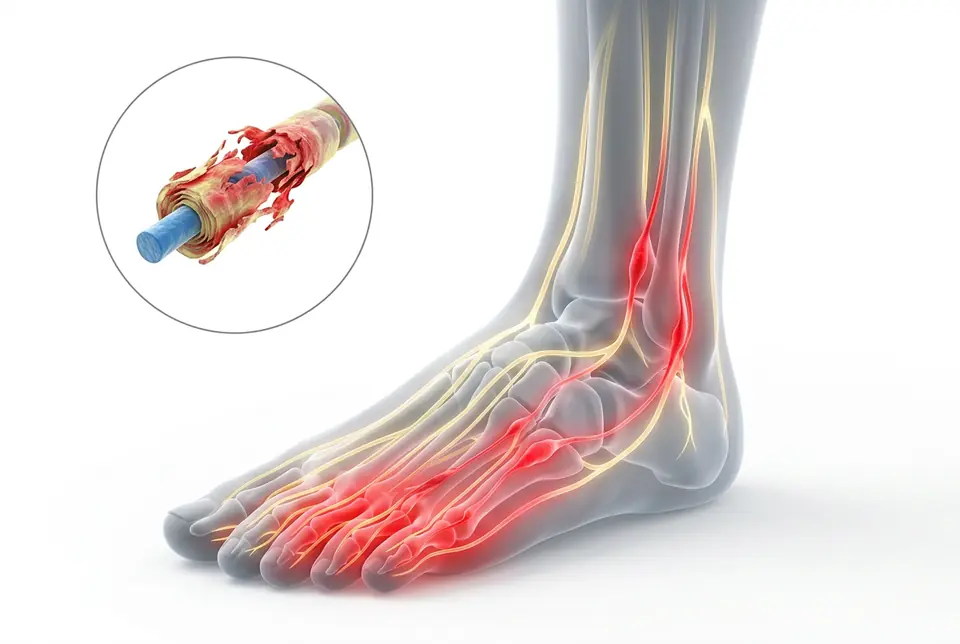
Read articleBrief tingling is usually harmless, but sudden numbness on one side, or with weakness or speech trouble, can be a stroke. When to get help.
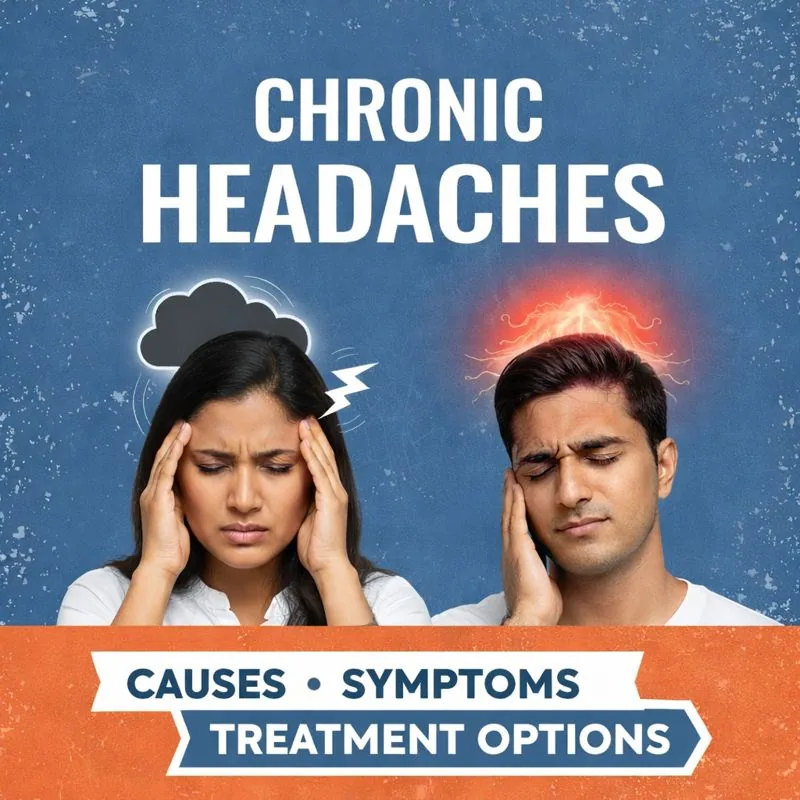
Read articleHeadaches on most days for months need a proper look. Common types of chronic headache, warning signs, the tests used and the treatments that help.
Read articleShort educational videos on stroke and everyday neurology.
Dr. Manoj Vasireddy, Consultant Interventional Neurologist at KIMS Hospitals, Kondapur, Hyderabad, speaks in Telugu about brain stroke awareness: why stroke is a medical emergency, why recognising the warning signs early matters, and why patients should reach a stroke-ready hospital quickly for assessment and treatment.
In this Telugu short, Dr. Manoj Vasireddy, Consultant Interventional Neurologist at KIMS Hospitals, Kondapur, explains the brain–gut axis: the two-way communication between the brain and the gut through nerves, hormones and gut bacteria (the gut microbiome). He describes how stress, fear and anxiety can upset digestion, and how the gut can affect mood, with links to irritable bowel syndrome (IBS), anxiety, low mood, bloating and appetite changes.
In this Telugu video, Dr. Manoj Vasireddy, Consultant Interventional Neurologist at KIMS Hospitals, Kondapur, Hyderabad, explains what a brain stroke is and the difference between ischaemic stroke (a blocked blood vessel) and haemorrhagic stroke (bleeding in the brain). He walks through the FAST warning signs (face drooping, arm weakness, speech difficulty, time to call for help) and why a suspected stroke needs emergency care at once, since treatments such as clot-dissolving medicine and mechanical thrombectomy work only within a limited time.
Detailed pages on the conditions and procedures these articles cover.
Emergency assessment with brain and vascular imaging, then clot-dissolving medicine (thrombolysis) or thrombectomy when clinically appropriate, followed by monitoring, prevention and rehabilitation.
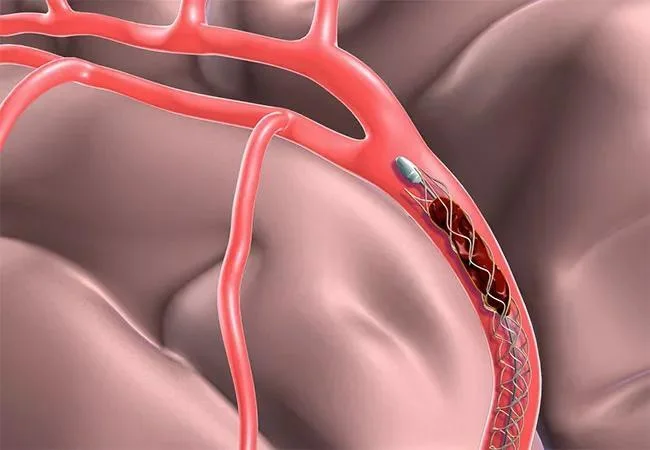
Stroke treatmentRemoval of a clot from a large brain artery through a catheter, for selected patients with large-vessel occlusion stroke after clinical and imaging assessment.
Mechanical thrombectomyEvaluation of unruptured and ruptured aneurysms with CTA, MRA or DSA. Monitoring or treatment is decided by size, location, shape, growth and individual risk.
Aneurysm treatmentDetailed catheter-based X-ray imaging of the brain’s blood vessels, used to assess aneurysms and other vascular conditions and to plan treatment.
Cerebral angiography (DSA)Recurrent headaches, migraine and facial pain. Assessment looks for warning signs and the type of headache, then plans relief and prevention.
Headache and migraineConsultations for headache, dizziness, seizures, movement problems, nerve symptoms and memory concerns.
General neurologyOpen Mon–Sat, 9AM–5PM
Consultations for any topic covered here are at KIMS Hospitals (New Facility), Kondapur, Hyderabad. Request an appointment online or call the clinic, and bring any previous reports and scans.
Choose a day from Monday to Saturday. The clinic calls back to confirm your time.
Request appointment