

Most people have felt brief pins and needles after sitting with their legs crossed or sleeping on an arm. This goes away within minutes once you move. But numbness can also be a sign of a problem with the nerves, spinal cord or brain, and some patterns need emergency care.
Call 108 or go to the emergency department now if numbness:
- comes on suddenly, especially on one side of the body (face, arm or leg)
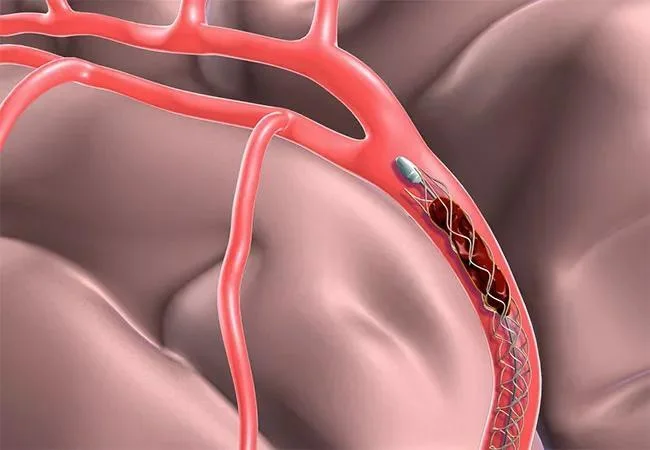
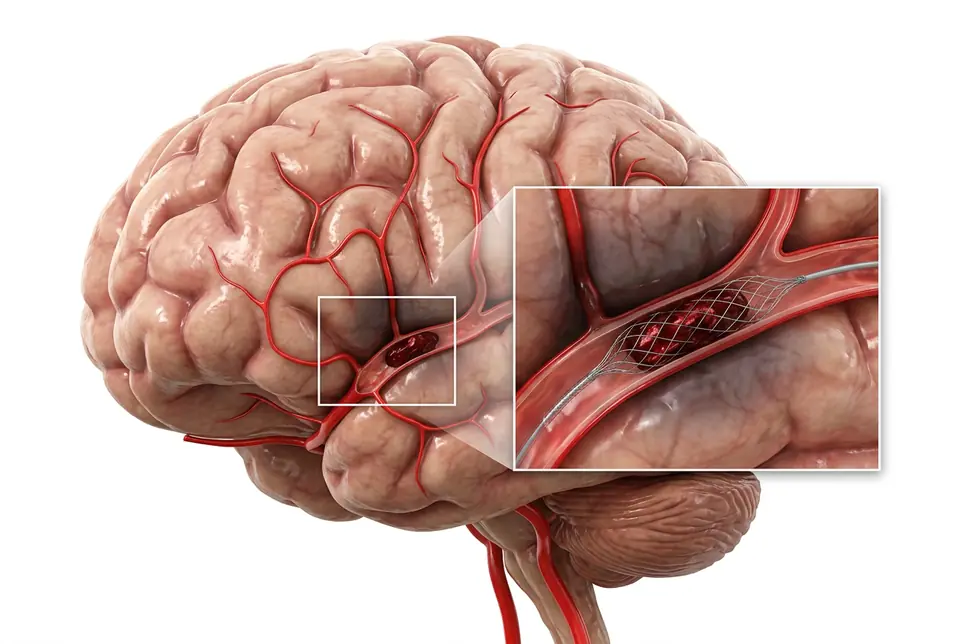
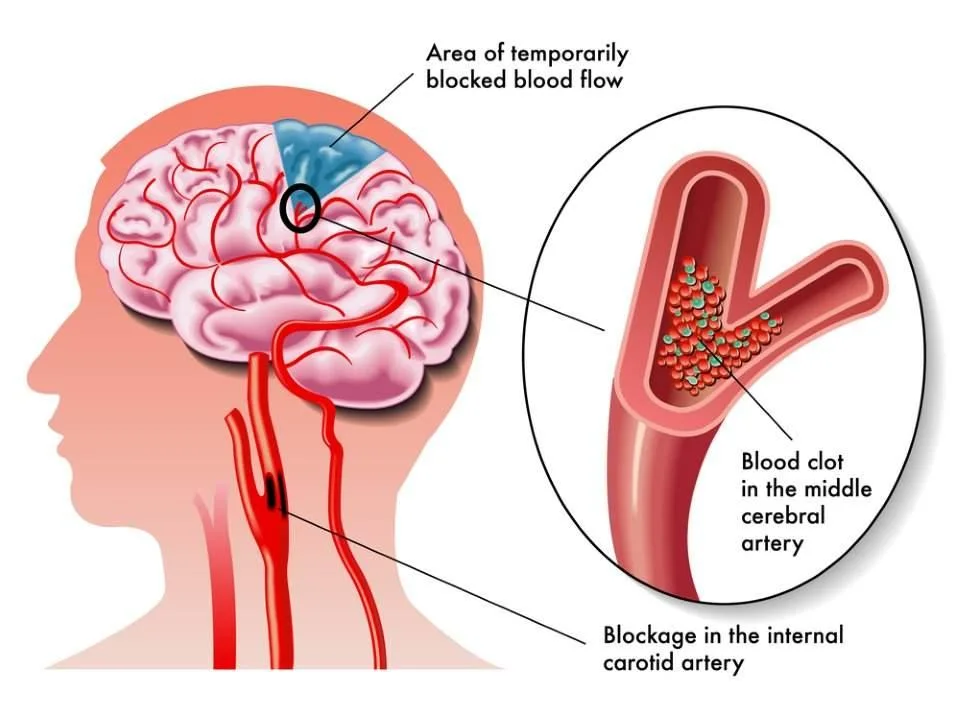
- comes with weakness, a drooping face, slurred or confused speech, loss of vision or double vision, or loss of balance: these are stroke warning signs
- follows a head, neck or back injury
- affects both legs or the area around the groin and buttocks, or comes with new difficulty controlling the bladder or bowels: this can mean pressure on the spinal cord or nerve roots
- spreads quickly over hours or days, moving up from the feet, especially with weakness or difficulty breathing
Even if the symptoms go away within minutes, sudden one-sided numbness can be a transient ischaemic attack (TIA), a warning sign of stroke. It still needs urgent assessment.
See a doctor soon (not an emergency) if:
- numbness or tingling in the feet or hands has slowly built up over weeks or months
- there is burning pain, a feeling of walking on cotton wool, or frequent tripping
- numbness in the hand wakes you at night, which can point to a trapped nerve at the wrist
- you have diabetes, a high alcohol intake, low vitamin B12 or a thyroid problem, or you take medicines known to affect nerves
Common causes of gradual numbness
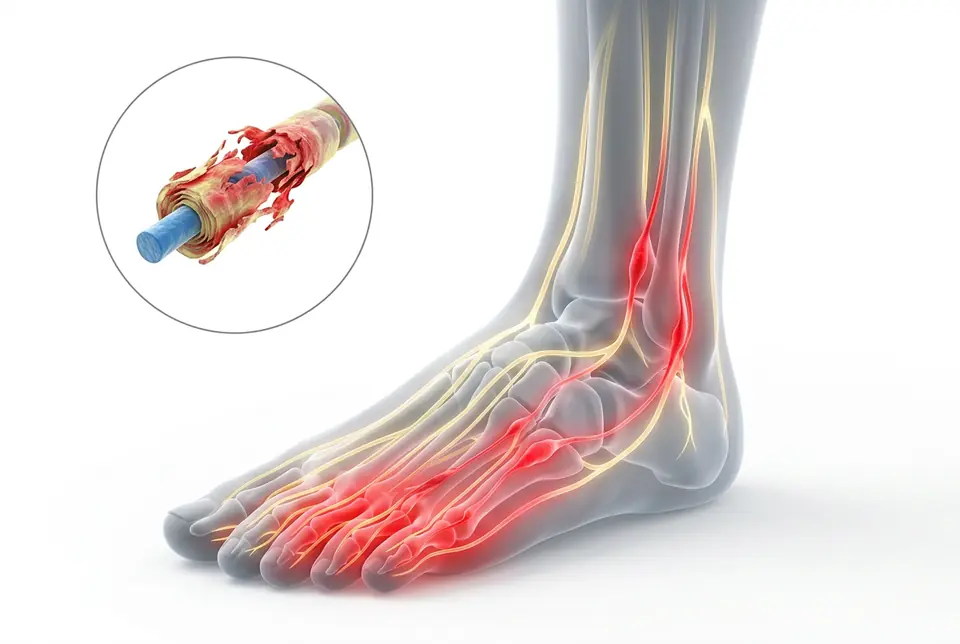
Gradual numbness, often starting in the feet, is commonly caused by peripheral neuropathy (damage to the nerves). Diabetes is the most common cause; others include vitamin B12 deficiency, alcohol, thyroid disease, kidney disease and some medicines. Trapped nerves, such as carpal tunnel syndrome or a nerve root pressed by a spinal disc, are other frequent causes.
How is it evaluated?
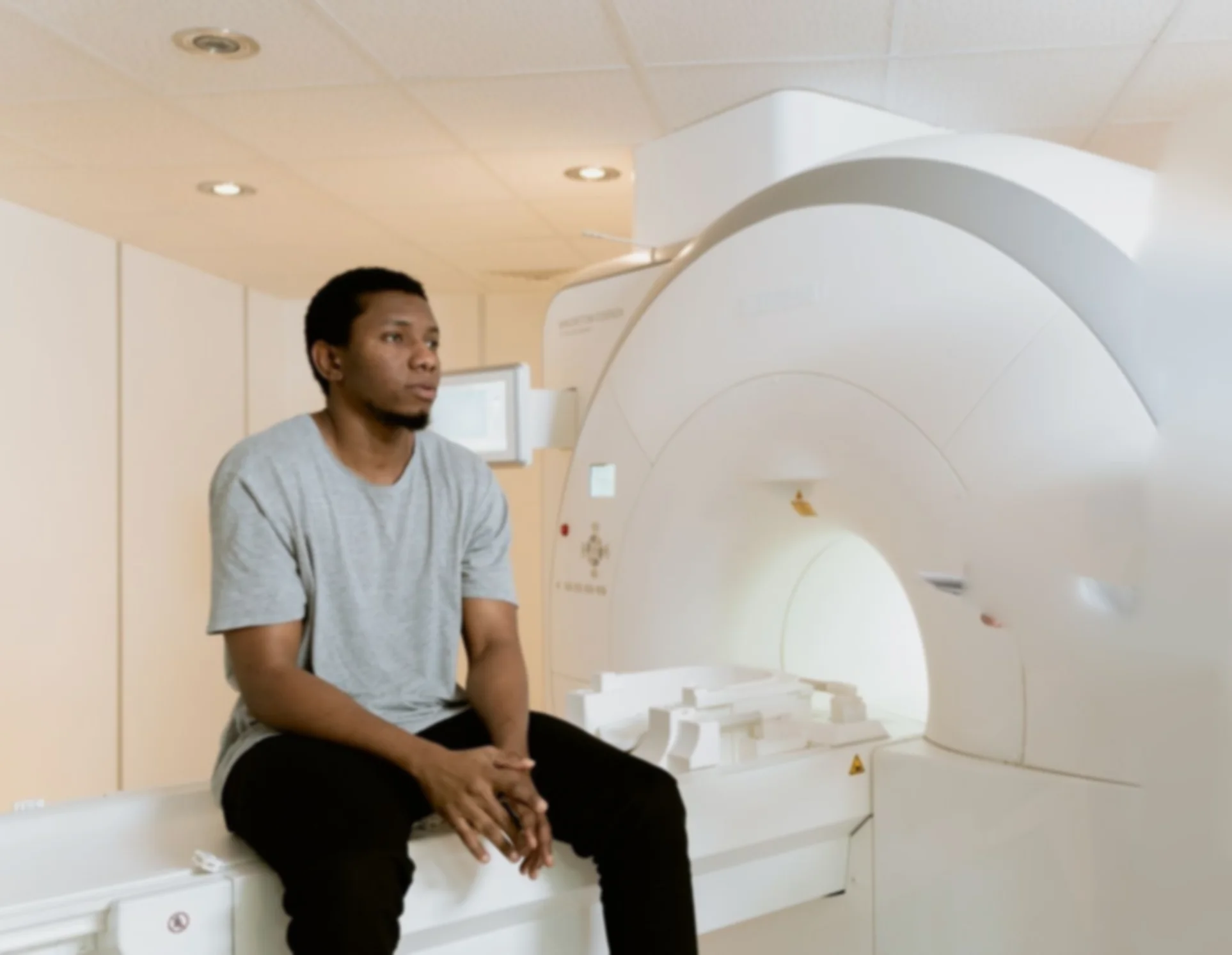
The doctor asks where and how the numbness started and examines sensation, strength and reflexes. Blood tests look for treatable causes such as diabetes, low vitamin B12 and thyroid problems. Nerve conduction studies or an MRI scan are arranged when they will help answer the question. Finding the cause early gives the best chance of slowing or stopping further nerve damage.
Related pages
References
This article is general information, not a diagnosis. For a suspected stroke or other emergency, call 108 or go to the nearest emergency department.