

Vertigo is the feeling that you, or the room around you, is spinning or moving when it is not. It is different from feeling faint or light-headed. Most vertigo comes from the inner ear and settles with the right treatment, but some causes are in the brain and need urgent care.
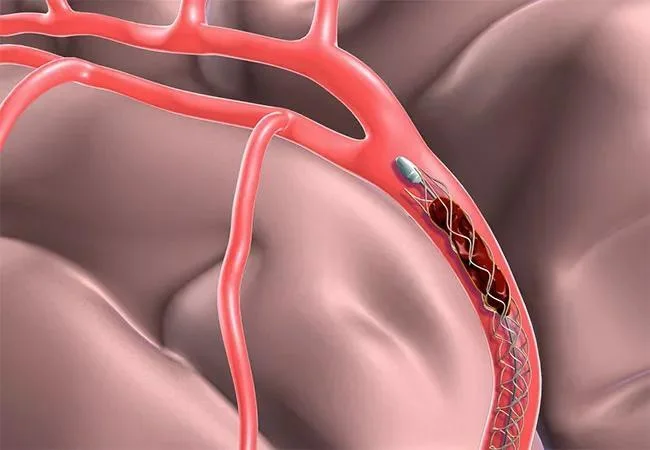
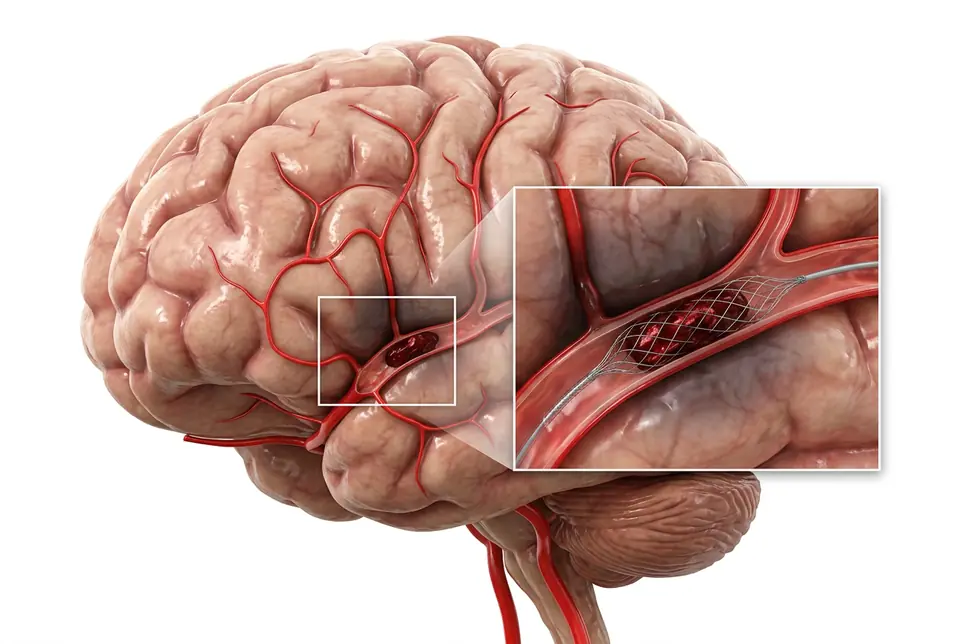
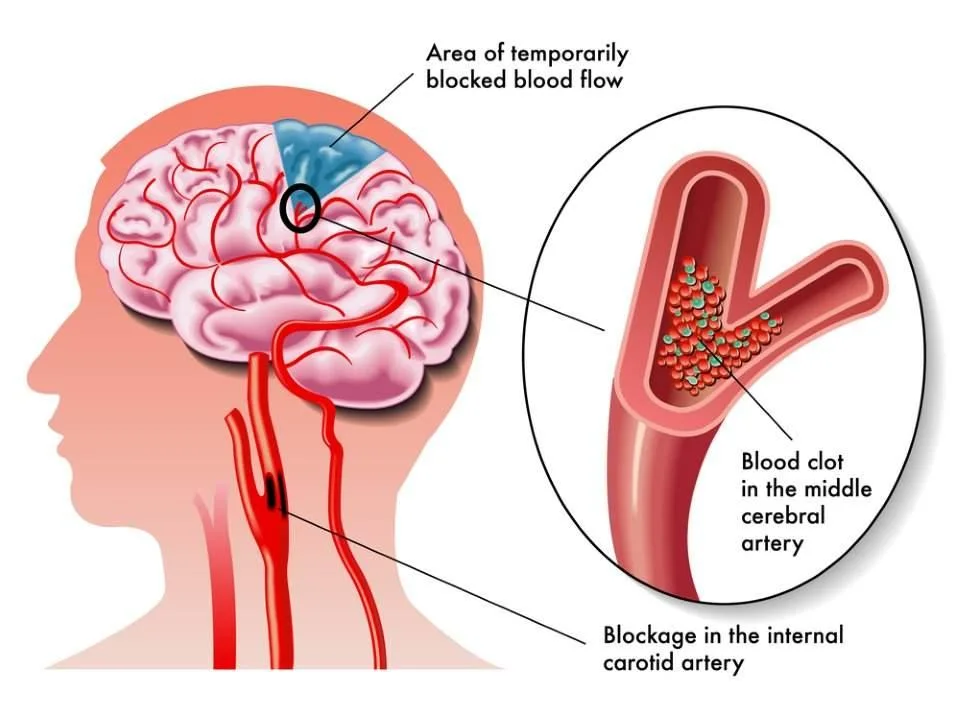
Call 108 or go to the nearest emergency department if sudden vertigo comes with weakness or numbness, double vision, slurred speech, difficulty walking, facial droop or a sudden severe headache. These can be signs of a stroke.
Common inner-ear causes
- Benign paroxysmal positional vertigo (BPPV): short spells of spinning, usually under a minute, set off by turning in bed, lying down or looking up. It is common and often treated with simple head-positioning manoeuvres.
- Vestibular neuritis and labyrinthitis: inflammation of the balance nerve or inner ear, often after a viral infection. Vertigo can last for days and then slowly improve. Labyrinthitis may also affect hearing.
- Ménière’s disease: attacks of vertigo lasting hours, with ringing in the ear, a feeling of fullness and fluctuating hearing loss.
Other causes
- Vestibular migraine: vertigo linked to migraine, with or without a headache at the same time.
- Stroke or TIA affecting the back of the brain: less common, but important not to miss.
- Medicines, ear infections and, rarely, tumours on the balance nerve or conditions such as multiple sclerosis.
Many people also feel dizzy without true spinning, for example from low blood pressure, dehydration, anaemia, low blood sugar or anxiety. Describing exactly what you feel helps the doctor find the cause.
How is the cause found?
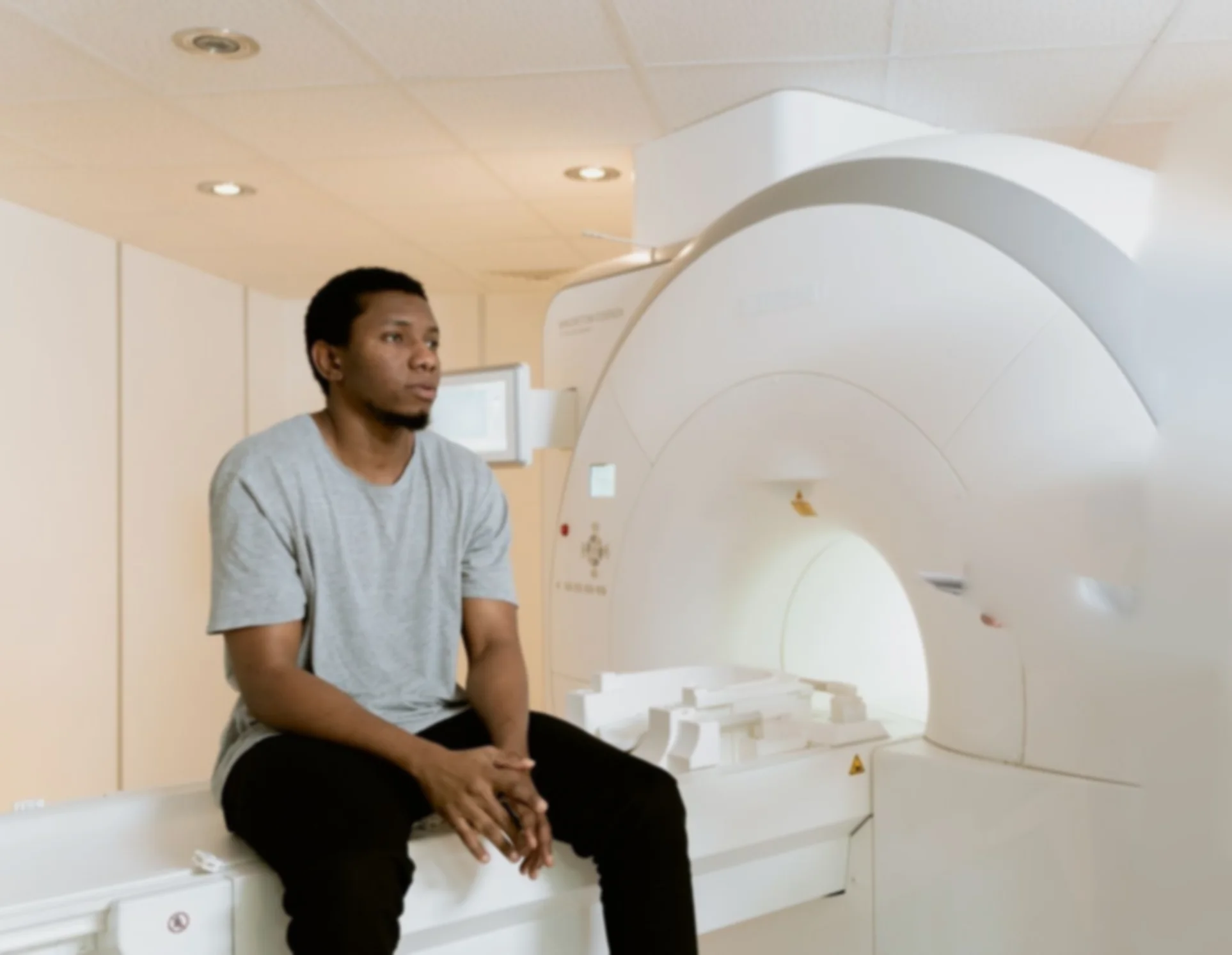
The doctor asks how the vertigo started, how long each spell lasts, what triggers it and which other symptoms come with it. A neurological and balance examination, including eye-movement tests and positional tests for BPPV, often points to the cause. Hearing tests, blood tests or an MRI scan are arranged only when they are needed.
Treatment
Treatment depends on the cause: repositioning manoeuvres for BPPV, short courses of medicine for severe symptoms, vestibular rehabilitation exercises to retrain balance, migraine prevention for vestibular migraine, and urgent stroke care when the cause is in the brain.
Related pages
References
This article is general information, not a diagnosis. For a suspected stroke or other emergency, call 108 or go to the nearest emergency department.