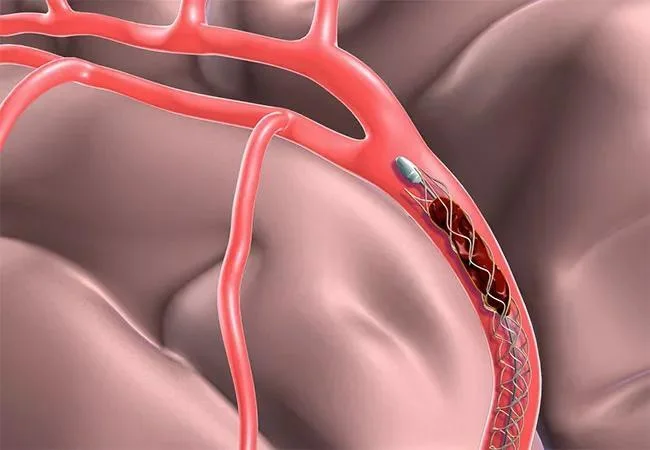


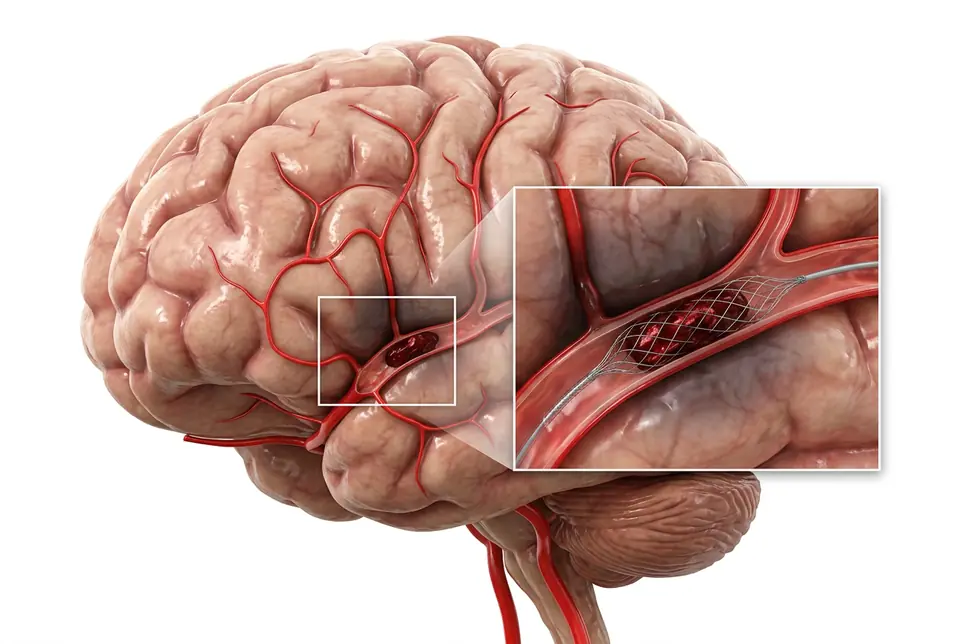
No. Mechanical thrombectomy, the removal of a clot through a catheter, helps a specific group of patients. Many people with a stroke are treated without it, and that is often the right decision for them.
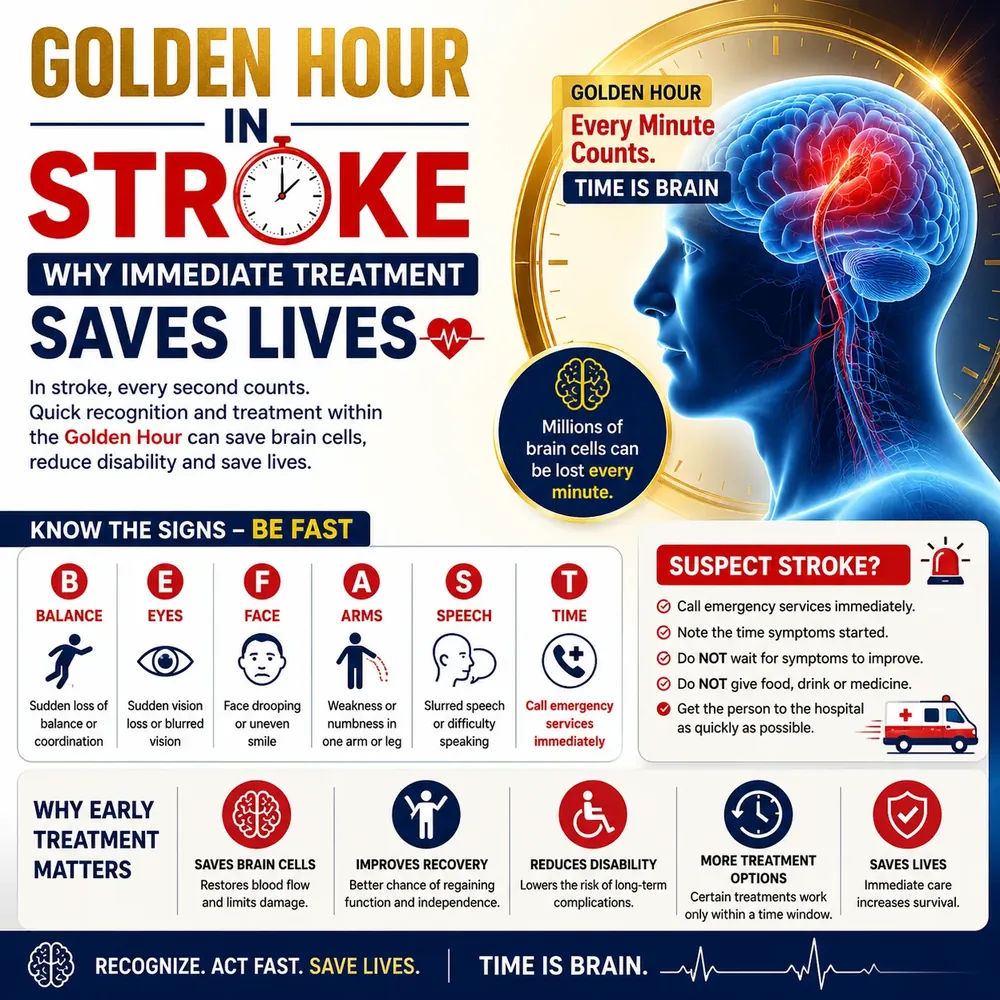
Whatever the type of stroke, the first step is the same: call 108 or go to the nearest emergency department straight away. Only the hospital team, with scans, can decide which treatment is suitable.
Strokes are not all the same
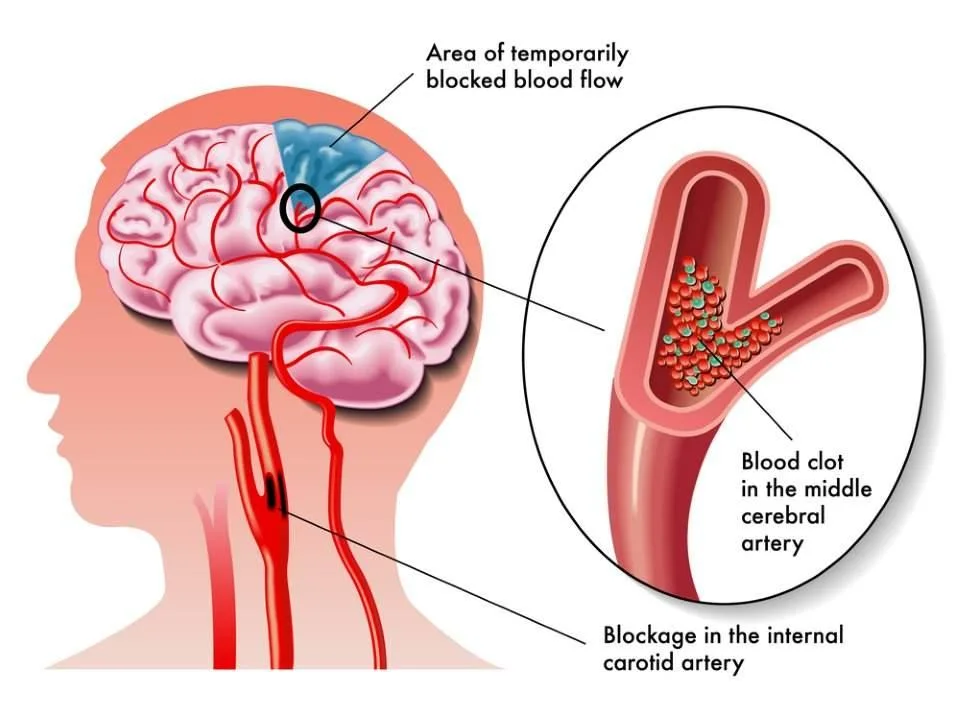
- Ischaemic stroke: an artery is blocked by a clot. This is the most common type.
- Haemorrhagic stroke: a blood vessel bursts and bleeds into or around the brain. Thrombectomy is not used for bleeding; treatment focuses on controlling the bleeding, blood pressure and pressure inside the skull.
- Transient ischaemic attack (TIA): symptoms go away, usually within minutes. It needs urgent assessment because a stroke may follow, but there is no clot to remove by the time the person is seen.
Which ischaemic strokes may be suitable?
Thrombectomy is considered when brain imaging shows a clot in a large artery (a large vessel occlusion) and there is still brain tissue that can be saved. Clots in small arteries cannot usually be reached by a catheter and are treated with medicines.
The team also considers:
- the time since symptoms began, or since the person was last seen well
- the stroke’s severity and what the scans show about the damaged and at-risk areas
- the patient’s overall health and level of independence before the stroke
- whether the arteries can be reached safely with a catheter
What other treatments are there?
- Clot-dissolving medicine (thrombolysis) for suitable patients who arrive early enough.
- Antiplatelet and other medicines to reduce the chance of another stroke.
- Stroke unit care: monitoring, swallowing assessment, and prevention of complications such as pneumonia and blood clots in the legs.
- Treatment of the cause, such as an irregular heart rhythm or narrowing of the carotid artery.
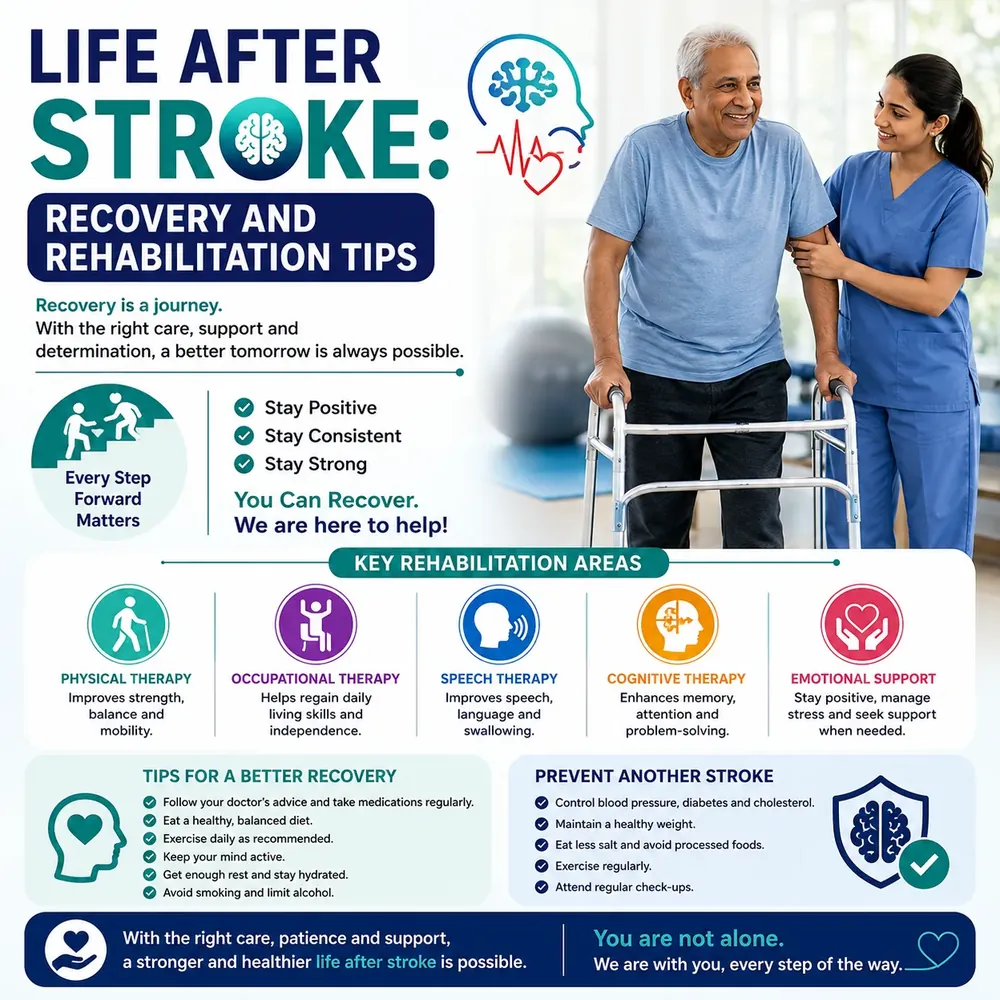
- Rehabilitation to recover movement, speech and daily skills.
Why time still matters
Even though not every patient needs thrombectomy, every patient benefits from reaching hospital quickly. Clot-dissolving medicine and thrombectomy can only be considered within limited time windows, and a fast assessment is the only way to find out whether they are an option.
Related pages
References
This article is general information, not a diagnosis. For a suspected stroke or other emergency, call 108 or go to the nearest emergency department.