
Emergency stroke care and endovascular treatment
Stroke & Neurointervention
Assessment and treatment of acute stroke, brain aneurysms and other conditions of the brain’s blood vessels at KIMS Hospitals, Kondapur. A suspected stroke is an emergency: call 108 or go to the nearest emergency department, not an outpatient clinic.
All stroke & neurointervention
Stroke treatment
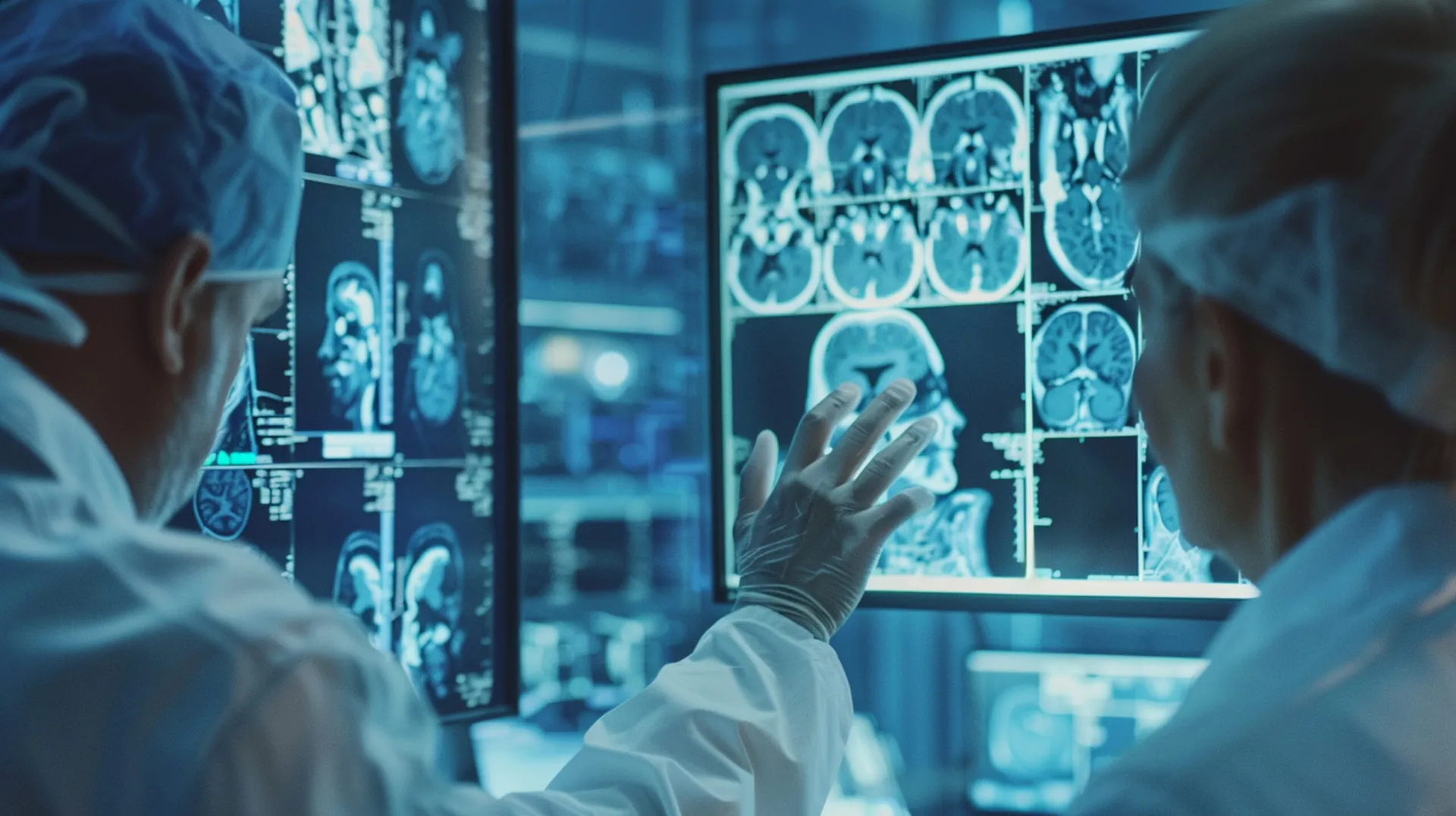
Emergency assessment with brain and vascular imaging, then clot-dissolving medicine (thrombolysis) or thrombectomy when clinically appropriate, followed by monitoring, prevention and rehabilitation.
Stroke treatmentMechanical thrombectomy
Removal of a clot from a large brain artery through a catheter, for selected patients with large-vessel occlusion stroke after clinical and imaging assessment.
Mechanical thrombectomyBrain aneurysm treatment
Evaluation of unruptured and ruptured aneurysms with CTA, MRA or DSA. Monitoring or treatment is decided by size, location, shape, growth and individual risk.
Aneurysm treatmentAneurysm coiling
Soft platinum coils placed inside a suitable aneurysm through a microcatheter, to reduce the risk of bleeding or re-bleeding.
Aneurysm coilingFlow-diverter treatment
A fine mesh stent placed across the neck of a selected aneurysm to redirect blood flow. It needs careful planning and antiplatelet medication, and is not suitable for every aneurysm.
Flow-diverter treatmentCerebral angiography (DSA)
Detailed catheter-based X-ray imaging of the brain’s blood vessels, used to assess aneurysms and other vascular conditions and to plan treatment.
Cerebral angiography (DSA)Carotid artery disease
Narrowing of the neck arteries that supply the brain, which can lead to stroke. Treatment is individual: medical management for many, and carotid stenting only for selected patients.
Carotid artery diseaseCerebral venous thrombosis
A clot in the brain’s draining veins, which can cause headache, seizures or weakness. It is treated mainly with anticoagulation; endovascular treatment is reserved for selected severe cases.
Cerebral venous thrombosis
Stroke: recognise it, act fast
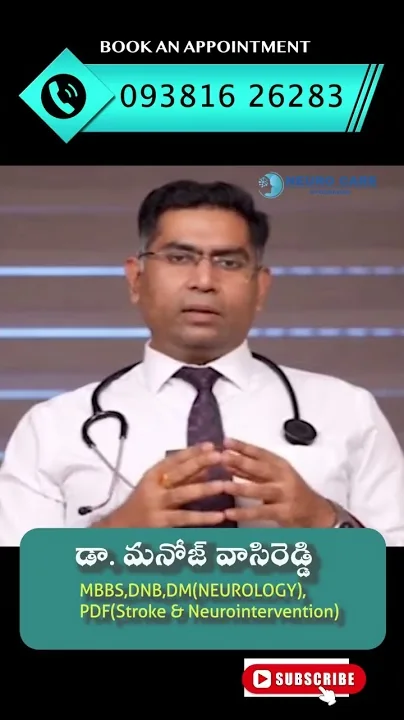
In stroke, every second counts. Watch Dr. Manoj explain the warning signs, then learn what to do. Treatment within the Golden Hour can save brain cells and lives.
- B
Balance
Sudden loss of balance or coordination
- E
Eyes
Sudden vision loss or blurred vision
- F
Face
Face drooping or uneven smile
- A
Arms
Weakness or numbness in one arm or leg
- S
Speech
Slurred speech or difficulty speaking
- T
Time
Call emergency services immediately
Suspect stroke?
- Call emergency services immediately.
- Note the time symptoms started.
- Do not wait for symptoms to improve.
- Do not give food, drink or medicine.
- Get the person to the hospital as quickly as possible.
Conditions assessed
Click a number on the head to see where each condition happens, its warning signs and how it is treated.
01Click a number to see each condition
Where each condition occurs
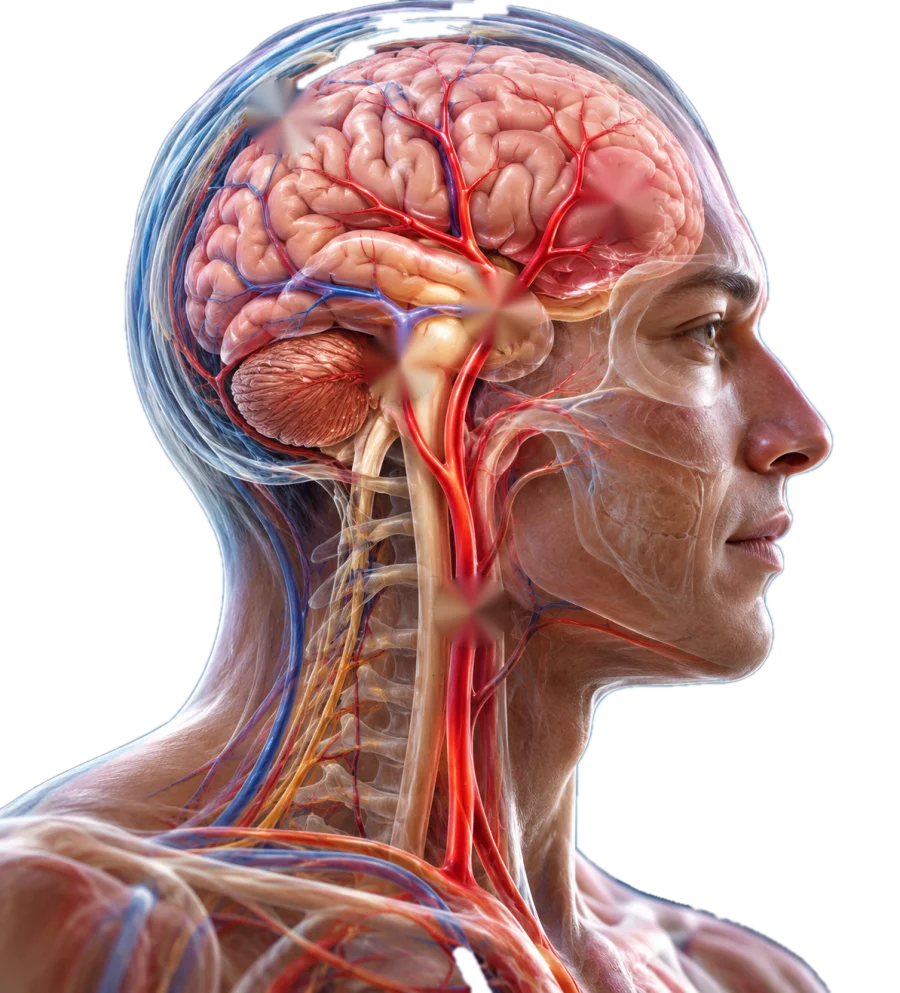
- Arteries
- Venous sinuses
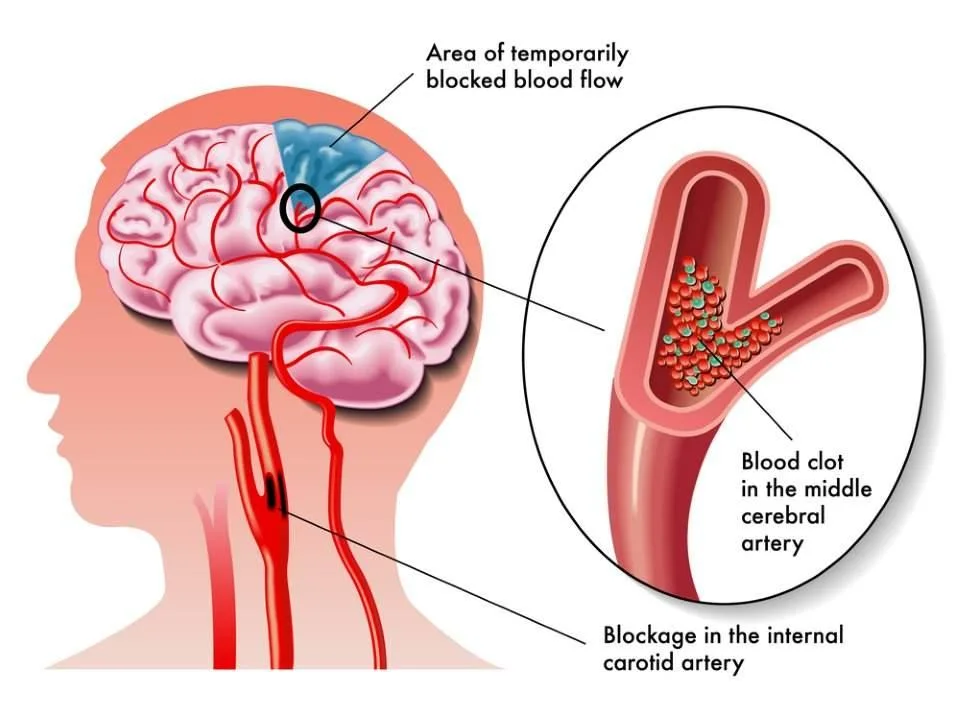
Acute ischemic stroke
A clot blocks an artery that supplies the brain. Brain cells start to die within minutes, so every minute without blood flow counts.
Warning signs
- Face drooping on one side
- Arm or leg weakness
- Slurred or confused speech
How it’s treated
- Clot-busting medicine
- Thrombectomy
- Stroke unit care
Not every patient needs a procedure. Treatment depends on clinical findings, imaging, timing, risks and evidence-based indications, and an outpatient appointment is not appropriate during an acute stroke.
Frequently asked questions
What should I do if I think someone is having a stroke?
Does every stroke need thrombectomy?
Does every brain aneurysm need treatment?
What is interventional neurology?
Does carotid narrowing always need a stent?
Open Mon–Sat, 9AM–5PM
Emergency or consultation?
For a suspected stroke, call 108 or go to the nearest emergency department now. For a non-emergency consultation about stroke prevention, an aneurysm or a scan you have been given, request an appointment or call the clinic at KIMS Hospitals (New Facility), Kondapur, Hyderabad, and bring any previous reports and scans.
Request appointment
Choose a day from Monday to Saturday. The clinic calls back to confirm your time.
Request appointment