Stroke & Neurointervention

Mechanical Thrombectomy

A minimally invasive procedure to remove a clot from a large brain artery, for selected patients with acute ischaemic stroke.

What is mechanical thrombectomy?

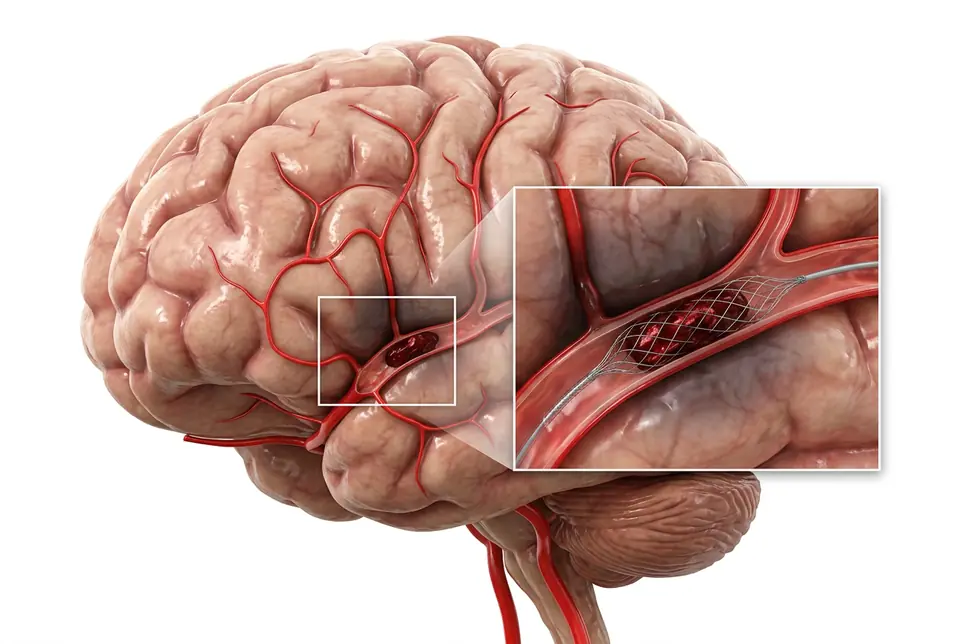
Mechanical thrombectomy is an emergency procedure in which a clot is removed from a blocked brain artery using a catheter-based device, such as a stent retriever or an aspiration catheter. The aim is to restore blood flow to the part of the brain at risk.

Clip · 60s
Thrombectomy animation

A stent retriever is guided to the clot, captures it and pulls it out to restore blood flow.

What is a large vessel occlusion?

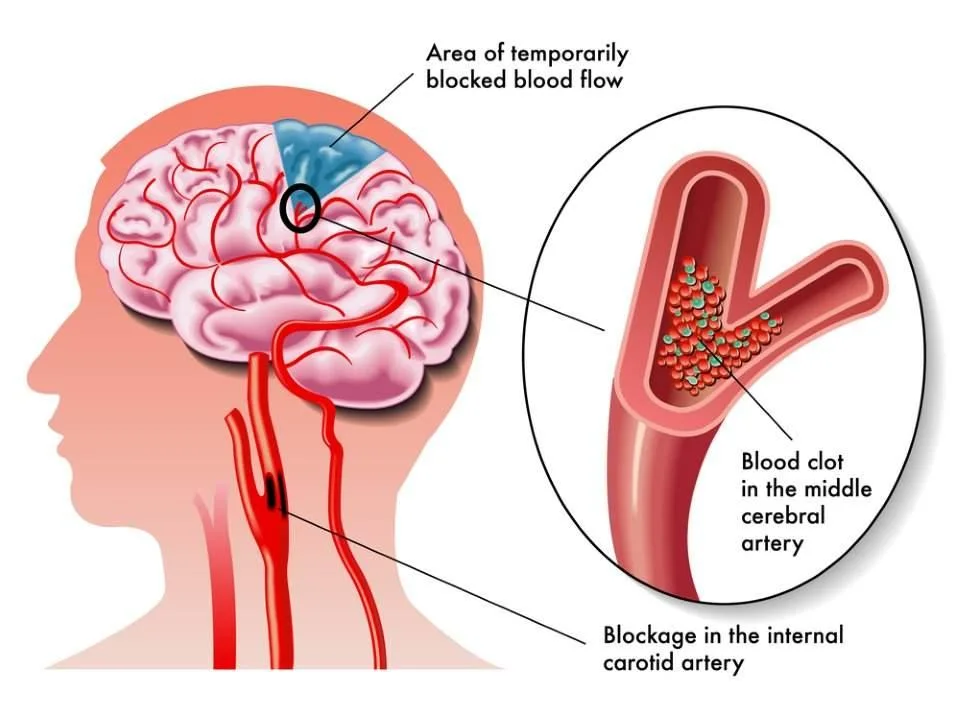
A large vessel occlusion (LVO) is a blockage in one of the main arteries supplying the brain, such as the internal carotid artery, the middle cerebral artery or the basilar artery. These strokes are often severe because a large area of the brain loses its blood supply.

Clip · 65s
What happens during a stroke?

An animated explanation of how a blocked or burst blood vessel damages the brain.

Who may benefit?

Thrombectomy is considered for patients with ischaemic stroke caused by a large vessel occlusion. Selection depends on the severity of symptoms, the time since onset and imaging.

CT or MR angiography confirms where the artery is blocked, and perfusion imaging may help show how much brain tissue can still be saved. Some patients also receive clot-dissolving medicine before the procedure.

How the procedure is performed

  • Arterial access: a thin tube is placed in an artery, usually at the groin or wrist
  • Catheter navigation: under X-ray guidance, catheters are guided through the blood vessels to the blocked artery in the brain
  • Clot retrieval: the clot is captured with a stent retriever or removed by aspiration
  • Angiographic assessment: contrast images check how well blood flow has been restored

Why time matters

Brain cells are lost every minute an artery stays blocked, so treatment is most effective when started early.

Some selected patients may still qualify beyond the earliest treatment window, including some who are seen many hours after symptoms began or who woke up with symptoms. This is decided after appropriate clinical and imaging assessment.

Risks and limitations

  • Bleeding in the brain
  • Injury to the blood vessel, or clot fragments moving to another artery
  • Problems at the access site, such as bruising or bleeding
  • Incomplete reperfusion: blood flow cannot always be fully restored

Restoring blood flow does not guarantee complete recovery. Outcomes depend on the stroke, the timing and the patient’s overall condition.

Recovery, monitoring and prevention

After the procedure, patients are monitored closely, usually in an intensive care or stroke unit. Follow-up imaging checks the brain and the treated artery.

Recovery continues with rehabilitation and with medicines and lifestyle changes to prevent another stroke.

Videos

Watch Dr. Manoj explain

Short talks recorded by Dr. Manoj for patients and families, in plain language.

  • NeuroCare Hyderabad · Telugu · 1 Nov 2025

    Recognising stroke symptoms early can save a life

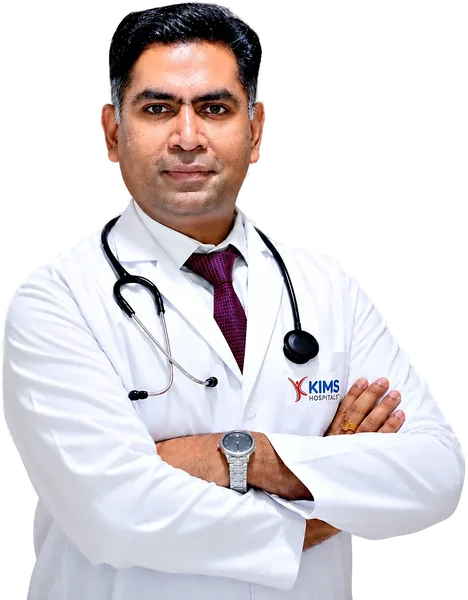
    In this Telugu video, Dr. Manoj Vasireddy, Consultant Interventional Neurologist at KIMS Hospitals, Kondapur, Hyderabad, explains what a brain stroke is and the difference between ischaemic stroke (a blocked blood vessel) and haemorrhagic stroke (bleeding in the brain). He walks through the FAST warning signs (face drooping, arm weakness, speech difficulty, time to call for help) and why a suspected stroke needs emergency care at once, since treatments such as clot-dissolving medicine and mechanical thrombectomy work only within a limited time.

    • stroke symptoms
    • FAST stroke signs
    • ischaemic and haemorrhagic stroke
    • brain stroke treatment
    • mechanical thrombectomy
    • stroke specialist in Hyderabad
    • Telugu health video
FAQs

Frequently asked questions

Who is eligible for thrombectomy?
Patients with an ischaemic stroke caused by a blockage in a large brain artery, when imaging shows brain tissue that can still be saved. The final decision is made by the stroke team after assessment.
Is thrombectomy done under general anaesthesia?
It may be done under sedation or general anaesthesia, depending on the patient’s condition and the team’s assessment.
How long does recovery take?
It varies widely. Some patients improve quickly, while others need weeks or months of rehabilitation. Complete recovery cannot be guaranteed.

Open Mon–Sat, 9AM–5PM

Emergency or consultation?

For a suspected stroke, call 108 or go to the nearest emergency department now. For a non-emergency consultation about stroke prevention or follow-up, request an appointment or call the clinic at KIMS Hospitals (New Facility), Kondapur, Hyderabad, and bring your previous reports and scans.

Request appointment

Choose a day from Monday to Saturday. The clinic calls back to confirm your time.

Request appointment
Clinic hoursMon–Sat, 9AM–5PM9AM5PM
Call the clinic+91 93816 26283Visit KIMSKondapur · Get directions
Chat with us