
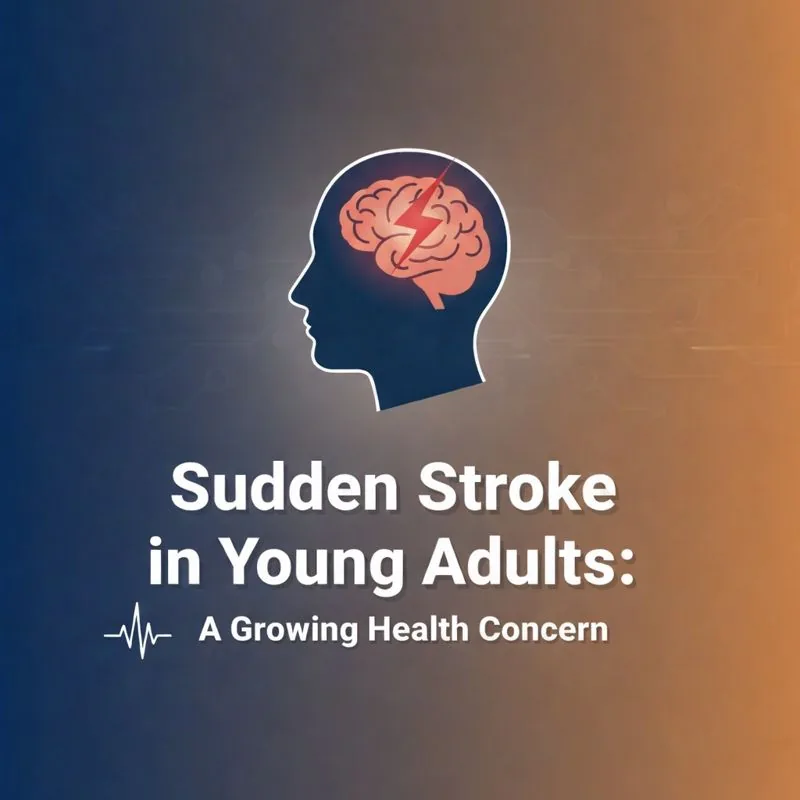
In recent years, doctors have noticed a concerning trend — strokes are no longer just a disease of the elderly. Increasingly, young adults in their 20s, 30s, and 40s are being diagnosed with sudden strokes, sometimes without any prior warning signs.
What is a stroke?
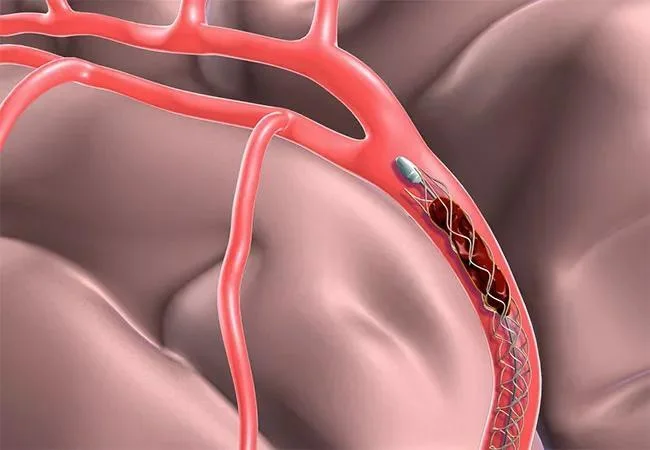
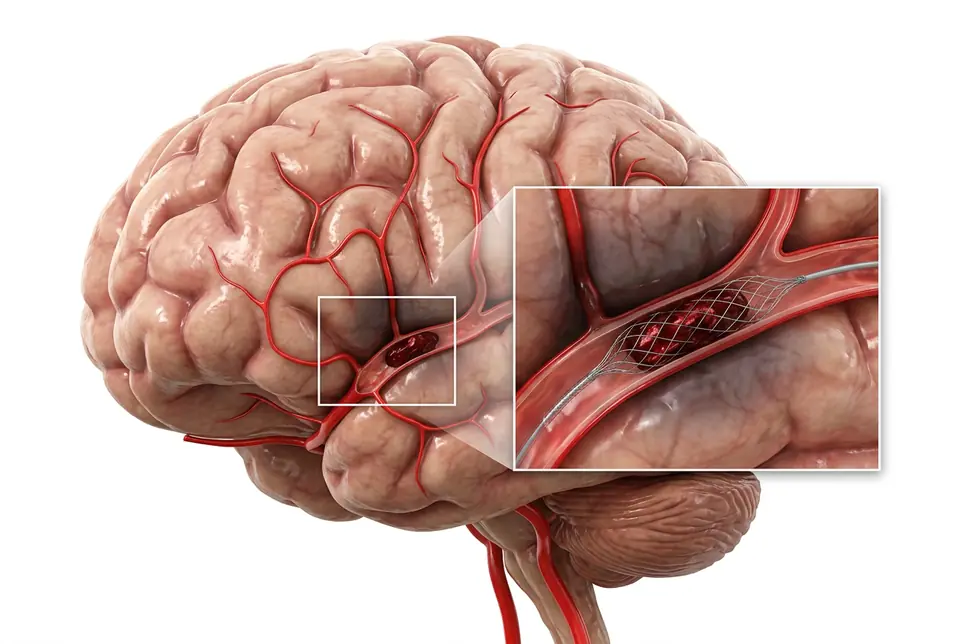
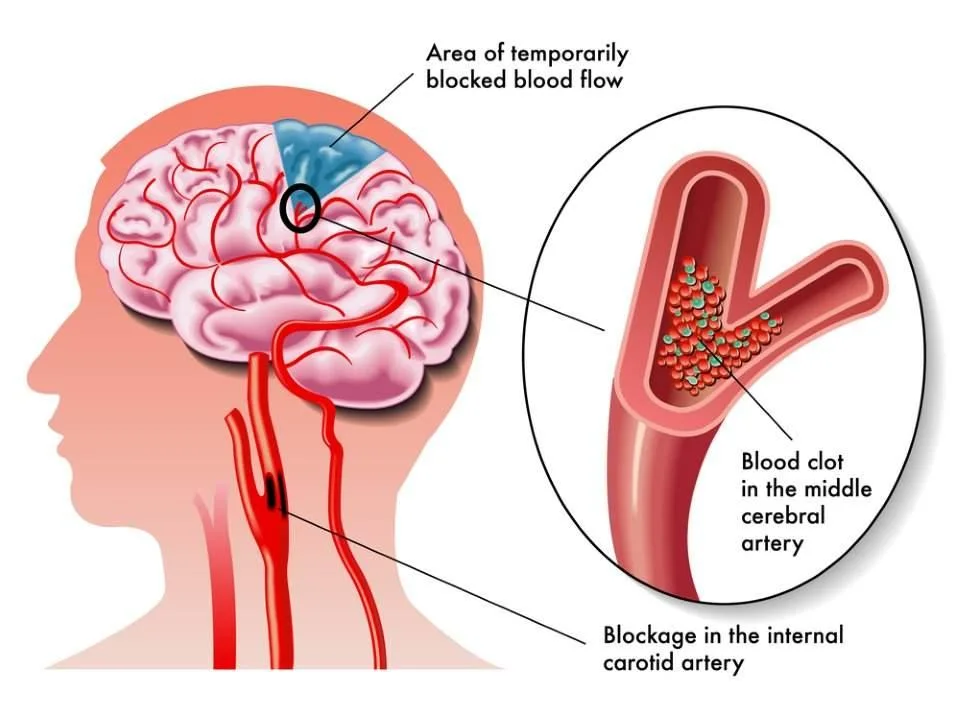
A stroke occurs when the blood supply to a part of the brain is interrupted or reduced, preventing brain tissue from getting enough oxygen and nutrients. Within minutes, brain cells begin to die — making a stroke a medical emergency that requires immediate attention.
There are two main types of strokes:
- Ischemic Stroke: Caused by a blockage (blood clot) in an artery supplying the brain.
- Hemorrhagic Stroke: Caused by bleeding within or around the brain.
Why are young adults at risk?
Although age is a traditional risk factor, several modern lifestyle and medical reasons have increased stroke risk among younger people. Some of the leading causes include:
- Smoking or vaping
- Excessive alcohol consumption
- Drug use (especially cocaine or amphetamines)
- Sedentary lifestyle and poor diet
- High blood pressure and cholesterol
- Diabetes
- Heart rhythm disorders (like atrial fibrillation)
- Blood clotting disorders
- Neck artery dissection after injury or sudden movement
- Patent Foramen Ovale (PFO) – a small heart defect that allows clots to pass into the brain
- Autoimmune diseases like lupus or antiphospholipid syndrome
- Use of birth control pills, especially when combined with smoking
Warning signs: act FAST
Recognizing stroke symptoms early can save a life. Remember the acronym FAST:
- F – Face drooping on one side
- A – Arm weakness or numbness
- S – Speech difficulty or slurred words
- T – Time to call emergency help immediately
Other signs can include sudden vision loss, dizziness, severe headache, or loss of balance.
Prevention is possible
The good news — most strokes are preventable through early awareness and lifestyle modification. Here are some tips to reduce your risk:
- Maintain a healthy blood pressure
- Eat a balanced diet rich in fruits, vegetables, and whole grains
- Exercise regularly
- Avoid smoking and limit alcohol intake
- Manage stress and sleep
- Get regular health checkups, especially if you have a family history of stroke or heart disease
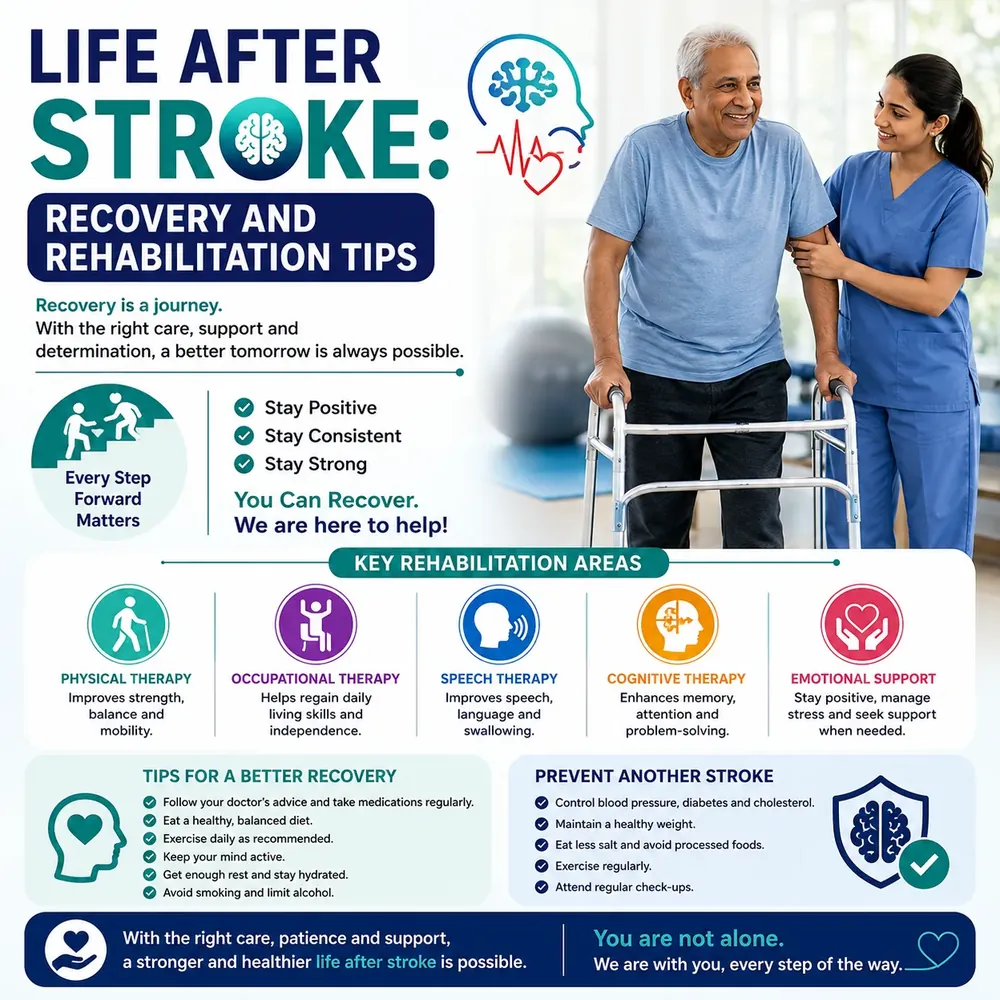
Recovery and rehabilitation
Early treatment can make a huge difference in recovery. After a stroke, rehabilitation focuses on restoring strength, speech, and coordination through physiotherapy, occupational therapy, and emotional support.
With timely medical attention and lifestyle changes, many young stroke survivors can return to active, fulfilling lives.
Final thoughts
A stroke in young adults is a reminder that no one is too young to prioritize brain and heart health. Being aware of the symptoms, adopting a healthy lifestyle, and seeking immediate care when something feels wrong can truly save lives.
References
This article is general information, not a diagnosis. For a suspected stroke or other emergency, call 108 or go to the nearest emergency department.