

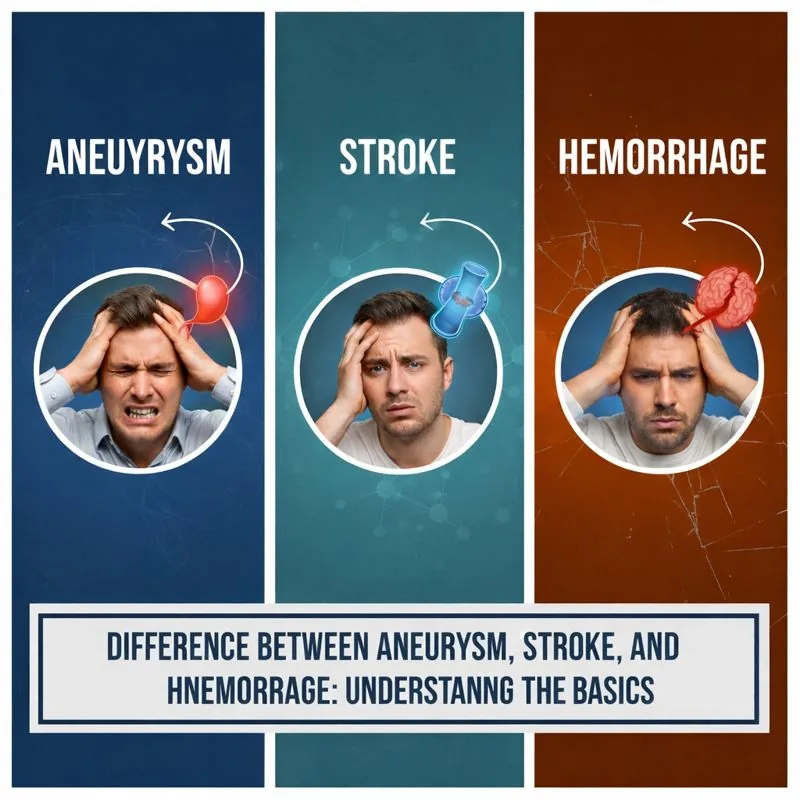
When it comes to brain-related emergencies, terms like aneurysm, stroke, and hemorrhage are often confusing. Many people use them interchangeably, but they are very different conditions, each requiring specific treatment. Understanding these differences can help you act faster in an emergency—and fast action can save a life.
1. What is a brain aneurysm?
A brain aneurysm is a weak or bulging spot in a blood vessel in the brain. Over time, the vessel wall becomes thin and balloons outward, like a small bubble.
Key points:
- An aneurysm itself may not cause symptoms.
- Danger increases if the aneurysm ruptures (bursts).
- A ruptured aneurysm causes a hemorrhage, which is a life-threatening condition.
Symptoms of an unruptured aneurysm:
- Mild headache
- Vision changes
- Pain behind the eyes
- No symptoms (most common)
Symptoms of a ruptured aneurysm:
- Sudden, severe headache (“worst headache of life”)
- Vomiting
- Neck stiffness
- Loss of consciousness
2. What is a stroke?
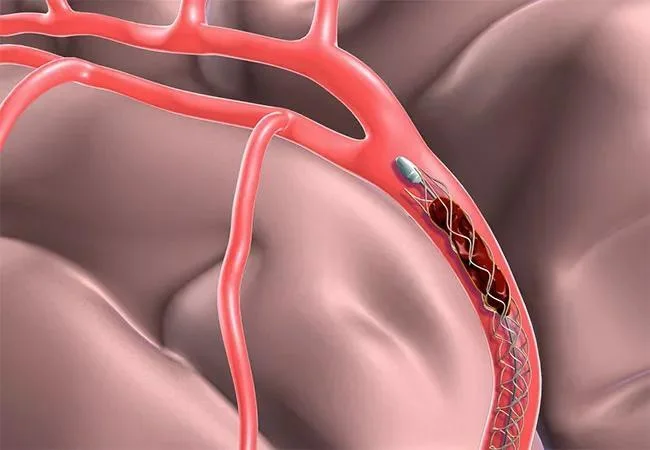
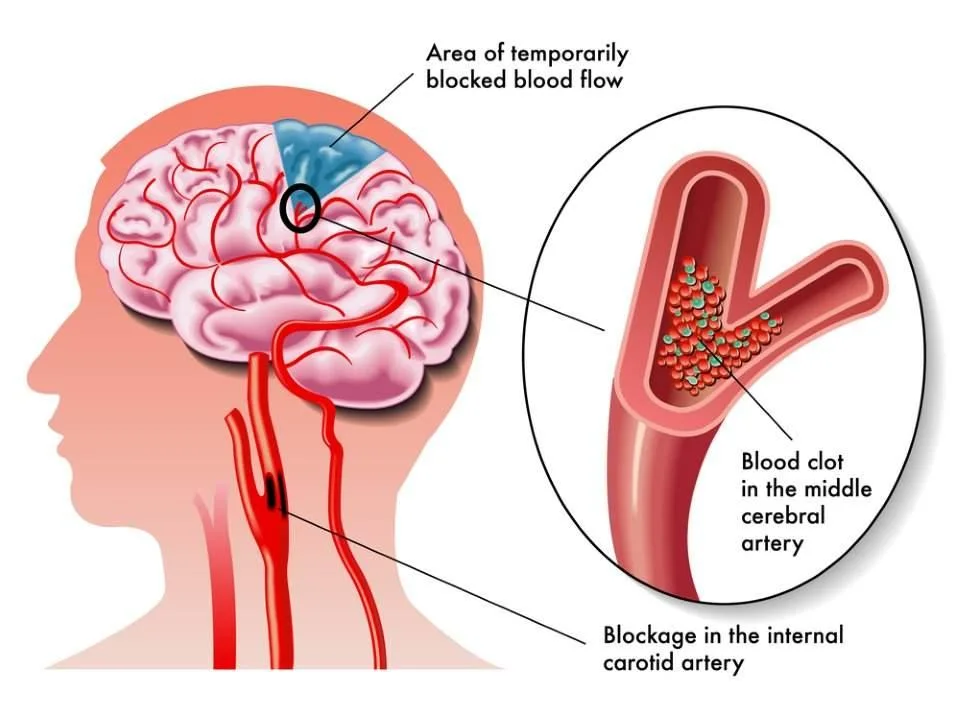
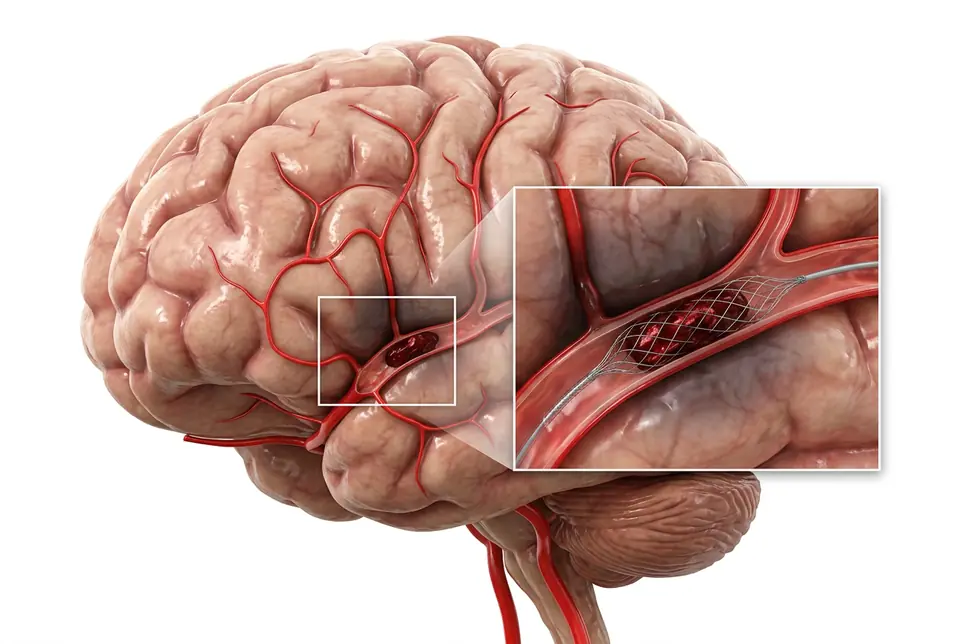
A stroke occurs when blood supply to part of the brain is interrupted.
There are two main types:
1. Ischemic stroke (about 85% of strokes)
Caused by a blood clot blocking a vessel. This stops oxygen and nutrients from reaching brain cells.
2. Hemorrhagic stroke (about 15% of strokes)
Caused by a burst blood vessel, leading to bleeding inside the brain.
Common stroke symptoms (FAST):
- Face drooping
- Arm weakness
- Speech difficulty
- Time to call emergency
3. What is a brain hemorrhage?
A brain hemorrhage means bleeding inside or around the brain.
It happens when a blood vessel bursts due to:
- High blood pressure
- Trauma
- Ruptured aneurysm
- Blood-thinning medications
- Medical conditions
Types of brain hemorrhage:
- Intracerebral hemorrhage – bleeding inside the brain tissue
- Subarachnoid hemorrhage – bleeding around the brain (often from aneurysm rupture)
References
This article is general information, not a diagnosis. For a suspected stroke or other emergency, call 108 or go to the nearest emergency department.