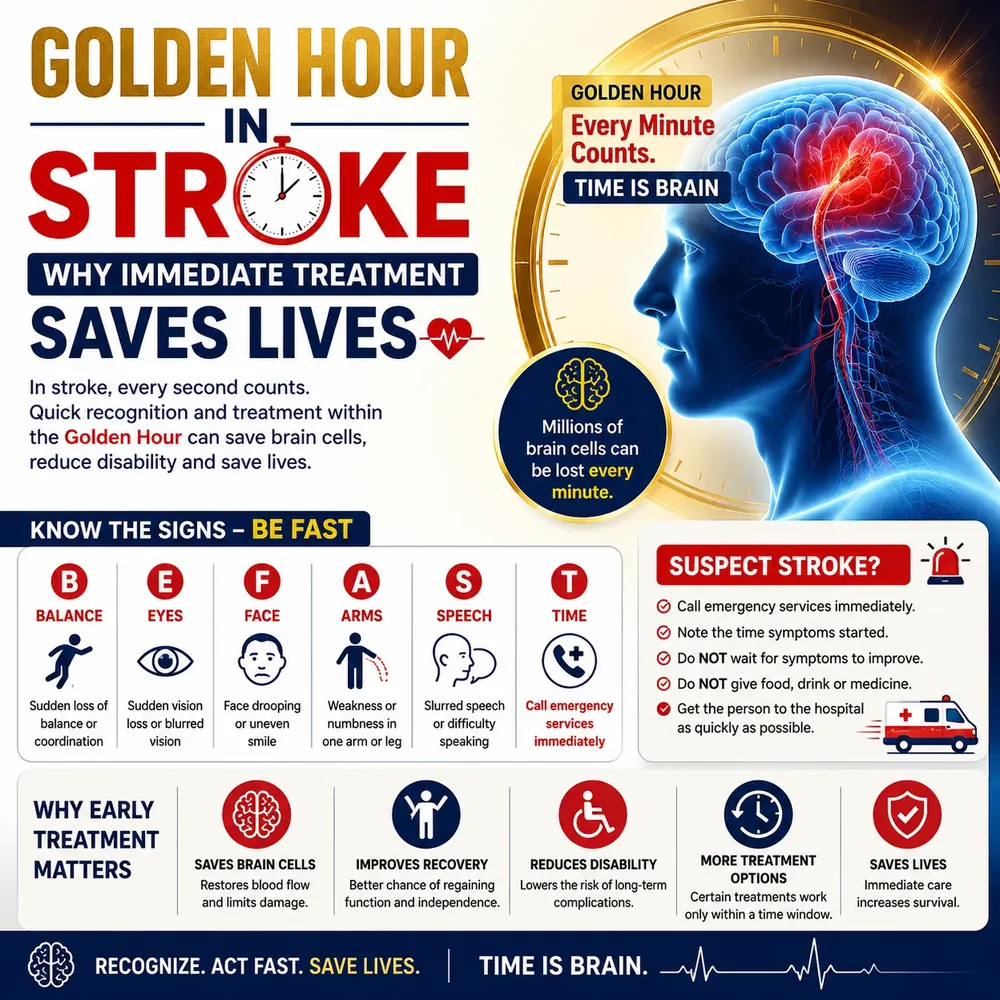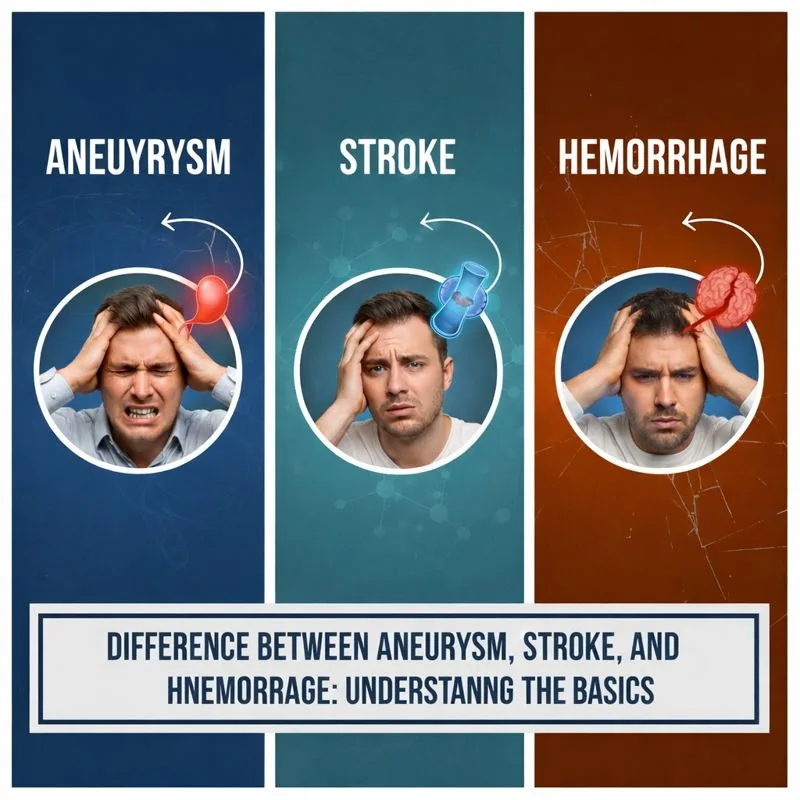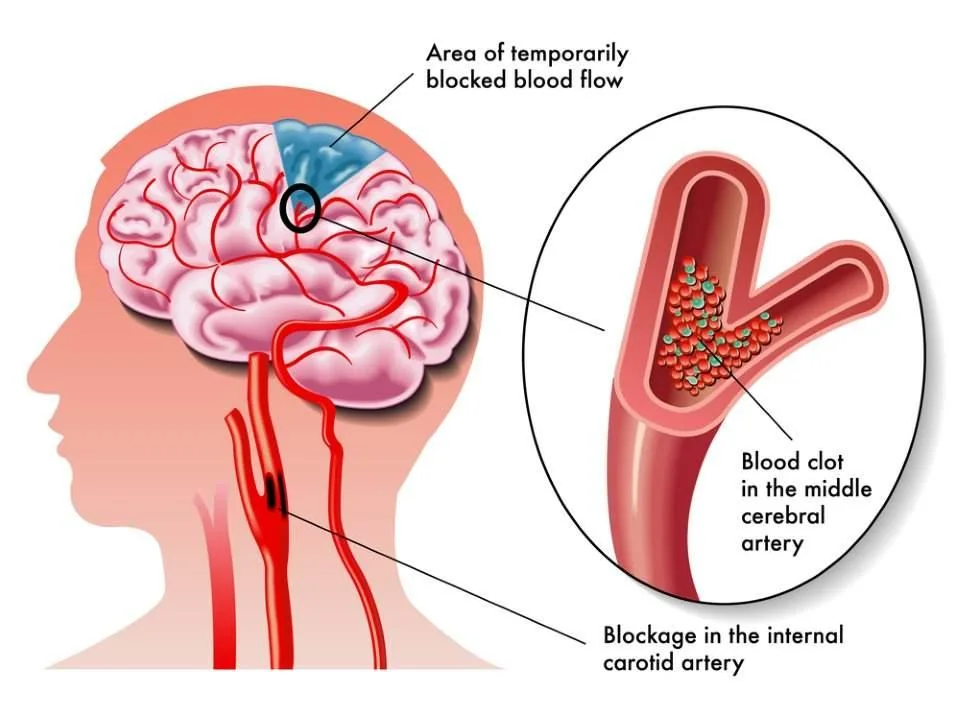



Almost everyone experiences head pain at some point in their life. While the vast majority of recurrent headaches represent primary migraine, tension, or cluster headaches, certain presentations signal dangerous secondary neurological conditions requiring prompt specialist investigation.
SNOOP4: Red Flags You Should Never Ignore
Neurologists use the SNOOP mnemonic to distinguish routine migraines from headaches requiring urgent neuro-imaging (MRI or CT angiogram):
- S (Systemic symptoms): Fever, unexplained weight loss, night sweats, or a history of malignancy.
- N (Neurological signs): Confusion, impaired consciousness, double vision, seizures, or limb weakness.
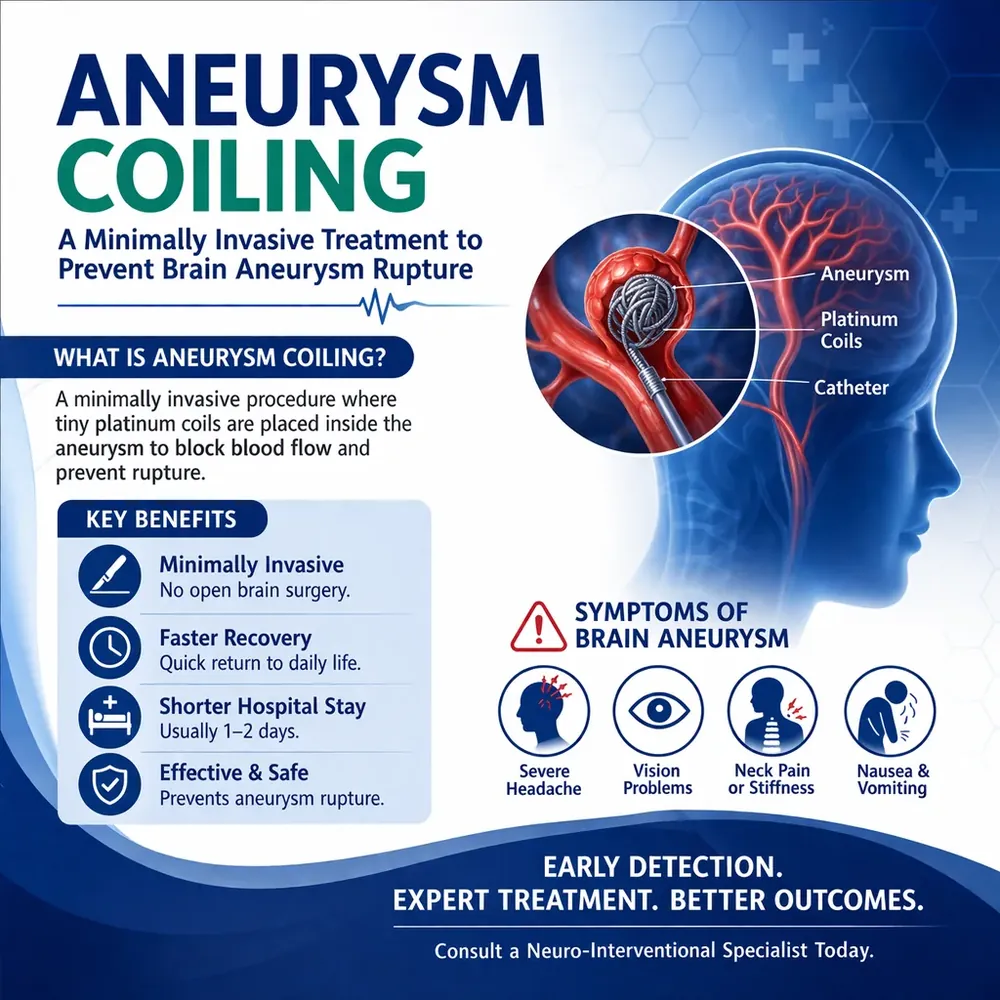
- O (Onset): Sudden thunderclap headache reaching maximal 10/10 intensity in under 60 seconds (classic presentation of aneurysm rupture).
- O (Older age): New or worsening headache starting for the very first time after age 50.
- P (Pattern change / Postural): Pain aggravated by coughing, straining, or lying flat, suggestive of raised intracranial pressure.
Modern Neurological Treatments for Chronic Migraine
If your red flag investigations are normal and you suffer from frequent disabling migraines (15 or more headache days per month), effective evidence-based treatments exist. These include targeted CGRP antagonist therapies, peripheral nerve blocks, botulinum toxin injections, and individualized preventative regimens that restore day-to-day comfort.