


Headache is one of the most common reasons people see a doctor. Most headaches, including tension-type headache and migraine, are not caused by a serious problem in the brain, but they can still affect work, sleep and family life. A few headache patterns, however, need urgent attention.
Go to the emergency department now if a headache:
- comes on suddenly and reaches full strength within a minute or so (a “thunderclap” headache), or is the worst headache of your life
- comes with weakness, numbness, slurred speech, confusion, loss of vision or double vision
- comes with fever, a stiff neck, a rash or drowsiness
- follows a head injury
- comes with a seizure or fainting
A sudden, severe headache can be caused by bleeding around the brain, for example from a ruptured aneurysm. This is an emergency: call 108 rather than waiting for an appointment.
Book a neurology consultation if:
- headaches are new and started after the age of 50
- the pattern has changed: more frequent, more severe or different in character
- headaches are worse on lying down, coughing or straining, or wake you from sleep
- you take painkillers for headache on more than a few days each week, which can itself make headaches more frequent
- treatment from your family doctor has not helped, or headaches stop you working or studying
- you are pregnant, have had cancer or have a weakened immune system and develop a new headache
What to bring to the appointment
- A headache diary for a few weeks: dates, how long each headache lasted, what it felt like and what you took for it
- A list of all medicines, including over-the-counter painkillers
- Any previous scan reports or blood test results
What the neurologist does
The diagnosis is usually made from a careful history and examination. A scan is arranged only when the history or examination suggests it will help, not for every headache. Treatment may include advice on triggers and sleep, medicines to use during an attack, and preventive medicines when headaches are frequent.
Related pages
References
- NHS: Headaches
- NHS: Migraine
- NHS: Subarachnoid haemorrhage
- World Health Organization: Headache disorders
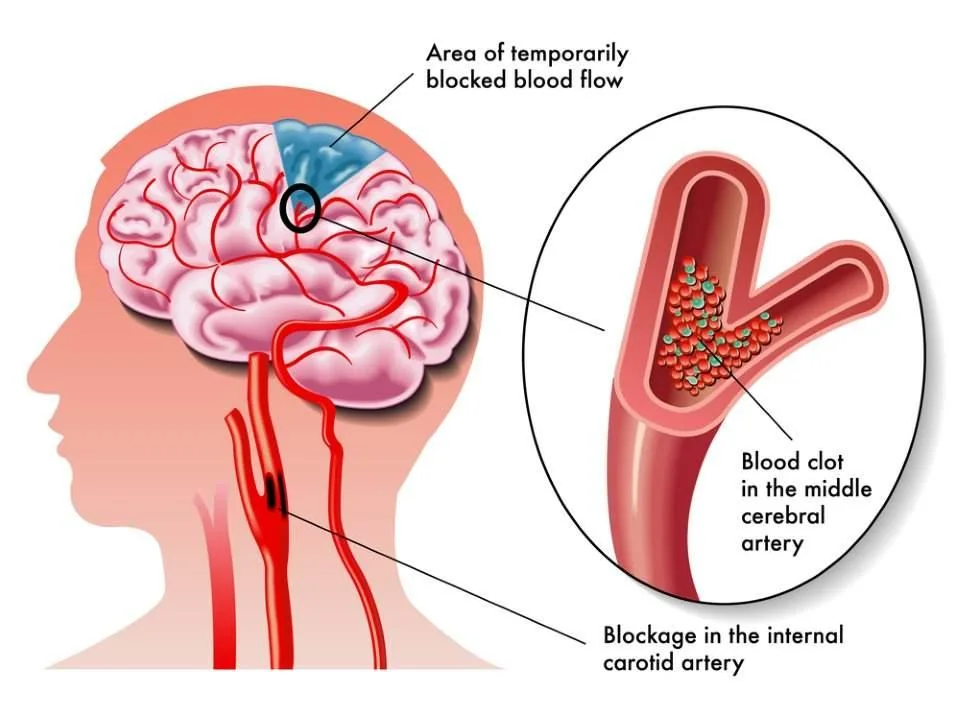
This article is general information, not a diagnosis. For a suspected stroke or other emergency, call 108 or go to the nearest emergency department.