
Stroke & Neurointervention

Brain Aneurysm Coiling, Carotid Stenting and Cerebral DSA

These procedures are done through a small tube passed through an artery in the wrist or groin, without opening the skull or neck. Whether one is right for you depends on your scans and overall health.

Cerebral angiography (DSA)

Digital subtraction angiography gives the most detailed pictures of the blood vessels of the brain and neck. A thin catheter is passed to the arteries and contrast dye is injected while X-ray images are taken. It is used to confirm and measure an aneurysm or narrowing, and to plan treatment.

Cerebral angiography (DSA)

Brain aneurysm coiling

In coiling, a microcatheter is guided into the aneurysm and soft platinum coils are placed inside it, so blood no longer flows into the weak bulge. It is used for selected ruptured aneurysms, to prevent re-bleeding, and for unruptured aneurysms that need treatment.

Aneurysm coiling

Flow-diverter stents

A flow diverter is a fine mesh stent placed in the parent artery across the neck of the aneurysm. It redirects blood flow so the aneurysm gradually clots and seals over time. It needs antiplatelet medicines before and after treatment.

Flow-diverter treatment

Carotid artery stenting

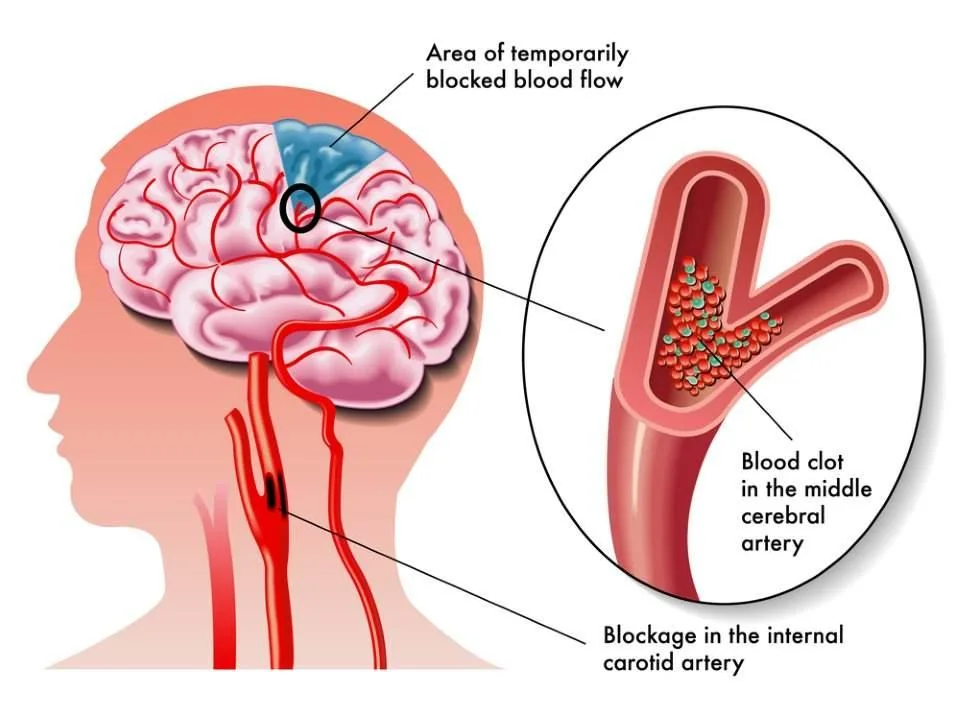
When a neck (carotid) artery is badly narrowed by plaque, especially after a TIA or minor stroke, a stent can hold it open and lower the risk of a future stroke. People with diabetes, high blood pressure, high cholesterol or a smoking history are at higher risk of this narrowing.

Not all carotid narrowing needs a stent. Many people are treated with medicines and risk-factor control.

Carotid artery disease

Deciding whether a procedure is needed

Not every aneurysm or narrowing needs treatment. Size, location, shape, symptoms, age and other health conditions are weighed against the risks of the procedure. Some aneurysms are best watched with repeat scans, and some patients are better suited to surgery than to a catheter procedure.

Before and after the procedure

  • Blood tests and a review of medicines, including blood thinners, before the procedure
  • Most planned procedures need a short hospital stay
  • Antiplatelet medicines for some months after stenting or flow diversion
  • Follow-up scans to check the result
FAQs

Frequently asked questions

Is coiling safer than open surgery?
For many aneurysms coiling involves a shorter recovery, but the best option depends on the aneurysm’s shape and location and on your health. Both have risks, which are explained before any decision.
Does every carotid narrowing need a stent?
No. Stenting or surgery is considered for selected patients, usually with significant narrowing that has caused symptoms.
Can I get my scans reviewed before deciding?
Yes. Bring your CT, MRI or angiography images and reports for a consultation or second opinion.

Open Mon–Sat, 9AM–5PM

Book an aneurysm consultation

Consultations are at KIMS Hospitals (New Facility), Kondapur, Hyderabad. Bring your CT, MRI or angiography reports and images. A sudden, severe headache is an emergency: call 108 or go to the nearest emergency department.

Request appointment

Choose a day from Monday to Saturday. The clinic calls back to confirm your time.

Request appointment
Clinic hoursMon–Sat, 9AM–5PM9AM5PM
Call the clinic+91 93816 26283Visit KIMSKondapur · Get directions
Chat with us