
General Neurology

Neurology Second Opinion and Complex Case Review

When a diagnosis is unclear, symptoms are not improving or a major treatment has been advised, a fresh review of the history, examination and scans can help you decide on the next step.

When is a second opinion useful?

  • Symptoms such as weakness, numbness, imbalance or memory change that remain unexplained
  • Treatment that has not helped as expected
  • An MRI or CT report with findings that are hard to understand or that differ between reports
  • A serious diagnosis, before starting long-term treatment
  • Advice to undergo surgery or an endovascular procedure, such as aneurysm treatment or stenting

A second opinion is a planned outpatient review. Sudden weakness, speech difficulty or a sudden severe headache is an emergency: call 108.

Conditions often reviewed

  • Unclear brain or spine MRI findings

    White-matter changes, small lesions or incidental findings, looked at alongside the symptoms and examination.

  • CIDP and other neuropathies

    Chronic inflammatory demyelinating polyneuropathy, Guillain-Barré syndrome variants and unexplained nerve weakness or numbness.

  • Autoimmune encephalitis

    Changes in memory, behaviour or seizures where an immune cause is suspected, and how antibody tests fit the picture.

  • Motor neuron disease (ALS/MND)

    Progressive weakness and muscle wasting, with a careful search for treatable conditions that can look similar.

  • Myasthenia gravis and multiple sclerosis

    Confirming the diagnosis and reviewing long-term treatment options.

  • Advice before a procedure

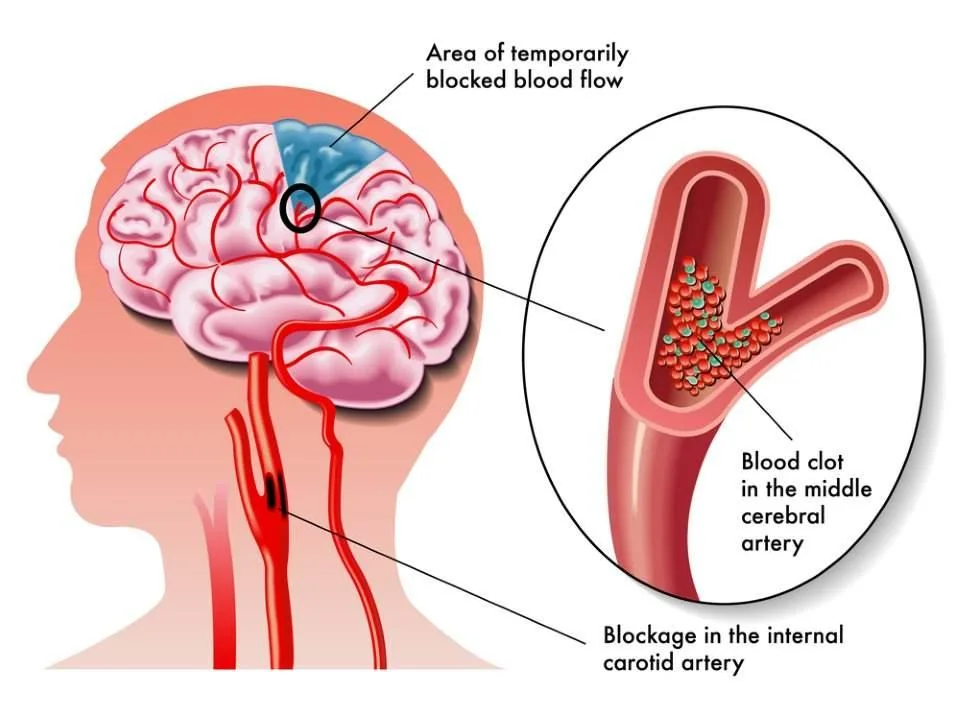
    Brain aneurysms, carotid narrowing and other conditions where surgery, coiling or stenting has been suggested.

What does the review include?

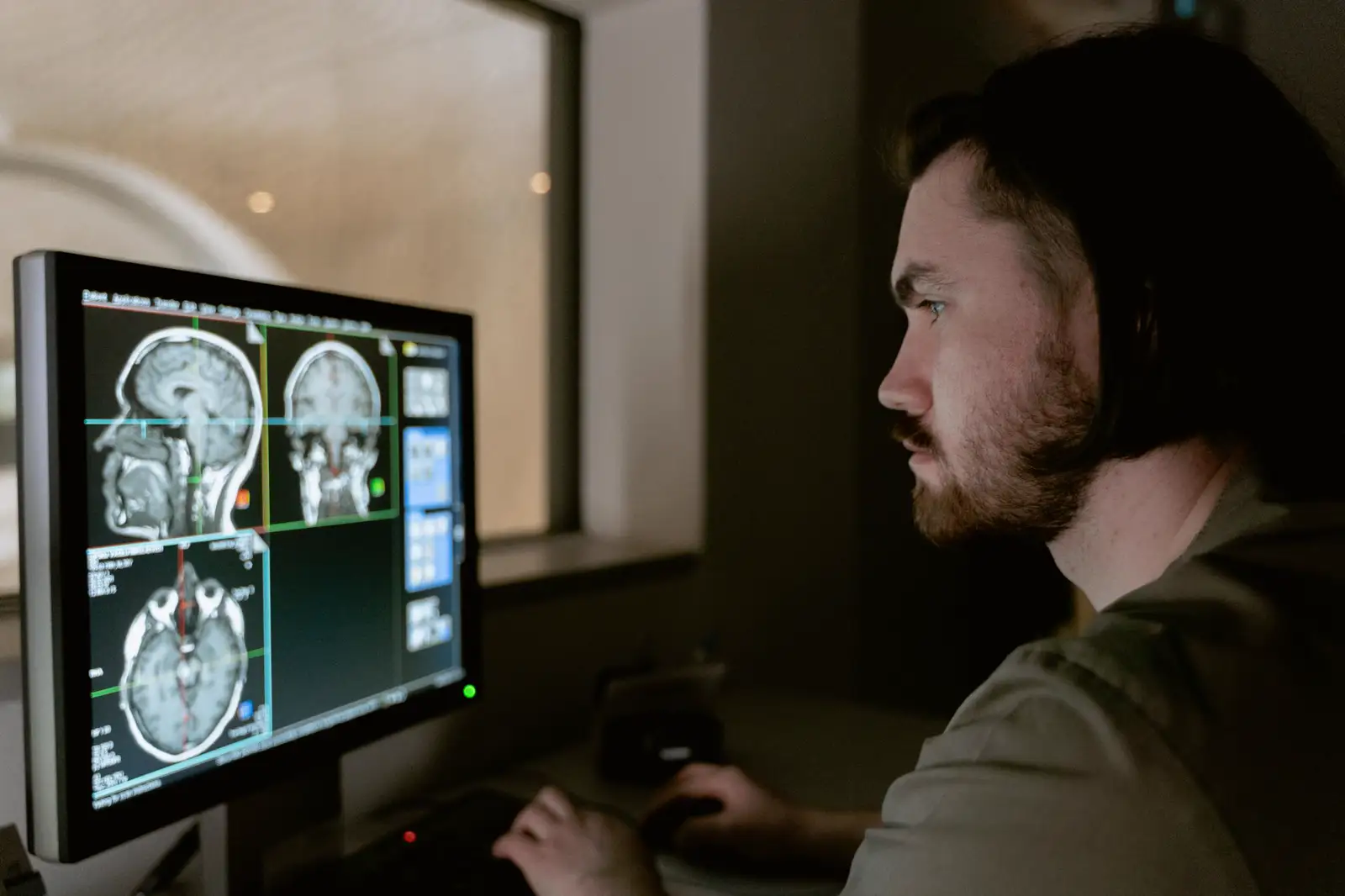
Dr. Manoj takes a full history and does a neurological examination, then goes through your previous reports and the scan images themselves, not only the written reports. You will be told whether further tests are needed, what the likely diagnosis is and what the options are.

What to bring

  • MRI, CT or angiography images on CD or a digital link, along with the reports
  • Discharge summaries and previous consultation notes
  • Blood test, nerve conduction, EEG and other test reports
  • A list of current and past medicines, with doses
  • A short timeline of when symptoms started and how they have changed

After the review

The findings and options are explained in plain language, and a written summary is given for you and your treating doctor. Many patients continue care with their own doctor; others choose to continue treatment at KIMS Hospitals, Kondapur.

FAQs

Frequently asked questions

Do I need a referral letter?
No. A referral letter is helpful but not required. Bring all your reports and scan images.
Can my scans be reviewed without a consultation?
Scan findings only make sense alongside the symptoms and examination, so a consultation is recommended rather than a review of reports alone.
Will I have to repeat my tests?
Not usually. Repeat or additional tests are suggested only when they will change the diagnosis or treatment plan.

Open Mon–Sat, 9AM–5PM

Book a second-opinion consultation

Request an appointment at KIMS Hospitals (New Facility), Kondapur, or call the clinic. Please bring all scan images and reports, previous prescriptions and a list of your current medicines.

Request appointment

Choose a day from Monday to Saturday. The clinic calls back to confirm your time.

Request appointment
Clinic hoursMon–Sat, 9AM–5PM9AM5PM
Call the clinic+91 93816 26283Visit KIMSKondapur · Get directions
Chat with us