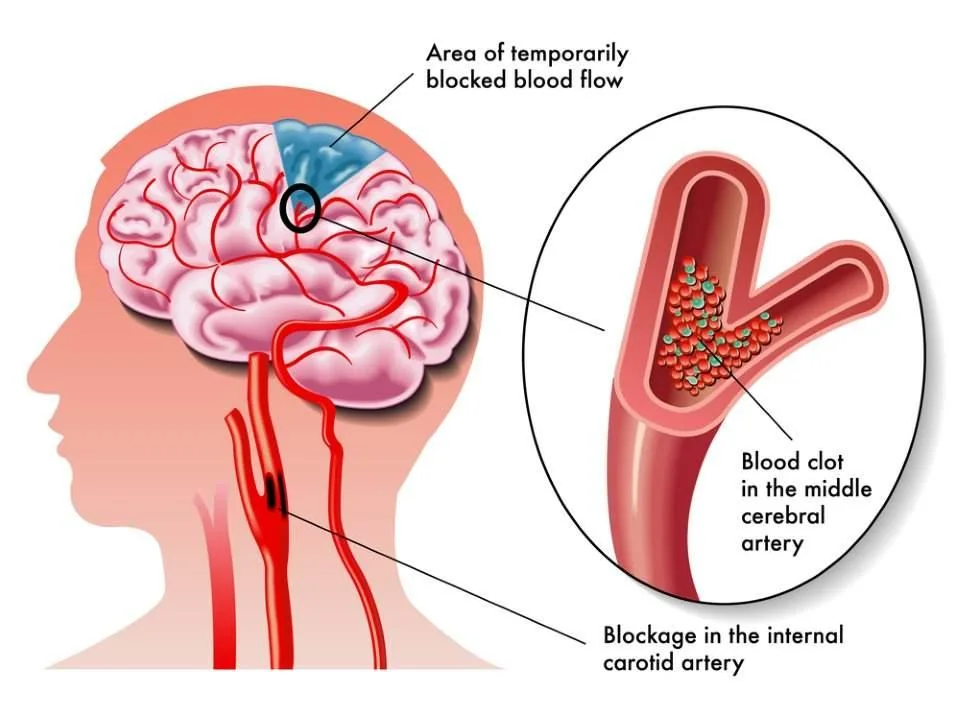


In an ischaemic stroke, a clot blocks blood flow to part of the brain. The core of the affected area is damaged quickly, but the brain around it can often survive for some hours if blood flow is restored. Emergency treatment aims to reopen the artery as fast as safely possible. There are two main ways to do this, and many patients receive both.
Thrombolysis: clot-dissolving medicine
A clot-dissolving medicine (alteplase or tenecteplase) is given into a vein. It can break down the clot and restore blood flow, and works best when given early.
- Time window: usually within 4.5 hours of the time the patient was last known to be normal. In some patients who wake up with stroke symptoms, MRI can help decide whether it is still safe.
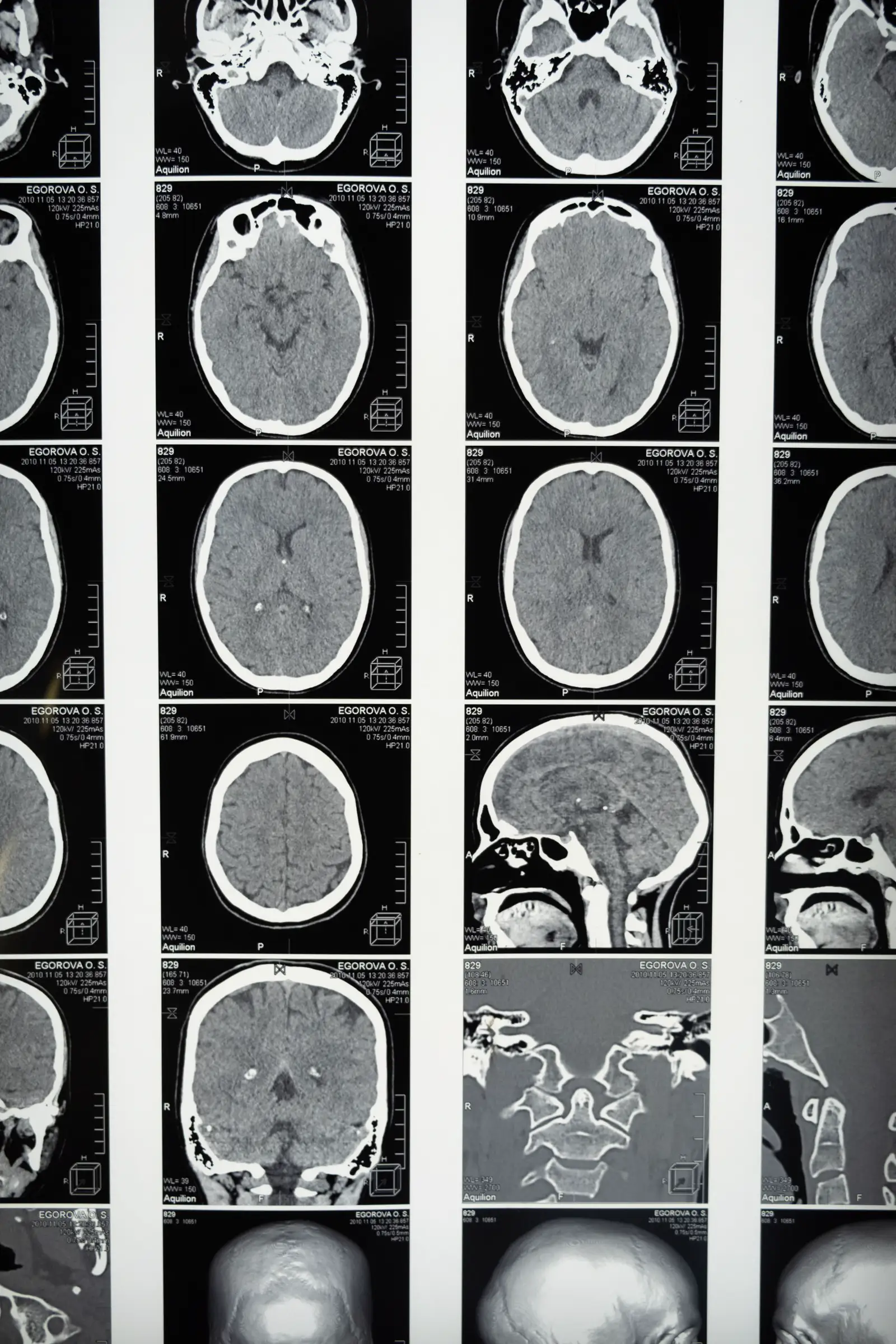
- First, a scan: a CT scan must show that there is no bleeding.
- Blood pressure: it must be brought below about 185/110 mm Hg before the medicine is given.
Thrombolysis may not be safe for people with recent bleeding, recent major surgery or serious head injury, a previous brain haemorrhage, very low platelets, or who are fully anticoagulated with blood thinners. The doctor goes through these checks quickly with the family. The main risk is bleeding, including bleeding in the brain, which happens in a small proportion of patients; the team explains this before asking for consent.
Mechanical thrombectomy: removing the clot
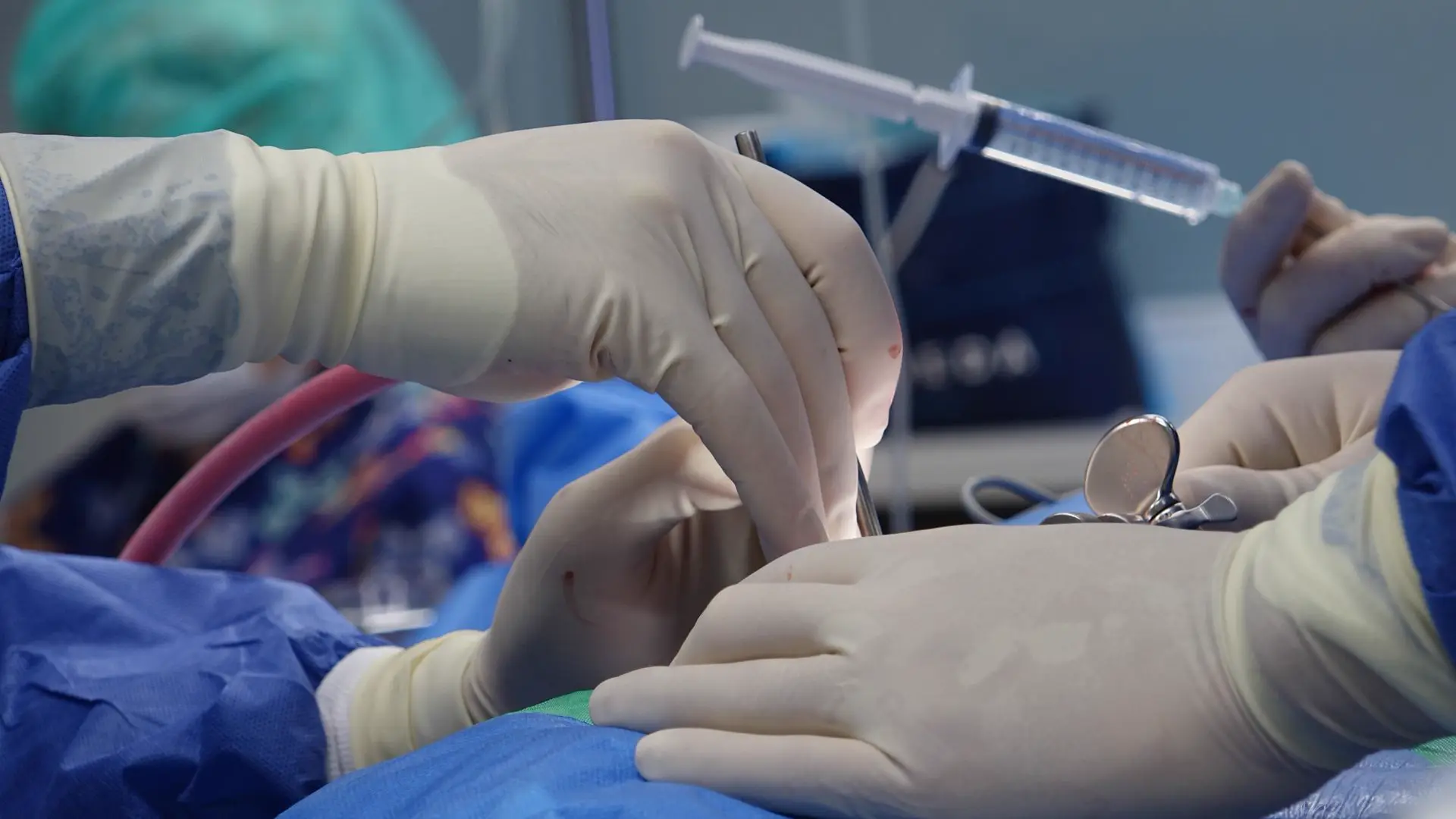
When a large artery in the brain is blocked, medicine alone often cannot dissolve the clot. In a mechanical thrombectomy, an interventional neurologist passes a thin catheter from an artery in the groin or wrist up to the blocked brain artery under X-ray guidance. The clot is then pulled out with a stent retriever (a small mesh device) or sucked out with an aspiration catheter.
- Who it is for: patients with a large-artery blockage seen on CT or MR angiography and with brain that can still be saved.
- Time window: best within 6 hours of onset, and up to 24 hours in selected patients after advanced imaging.
- Anaesthesia: done under sedation or general anaesthesia, depending on the patient’s condition.
Thrombectomy has greatly improved the chance of recovering independence after a major stroke, but it is not suitable for every patient. Possible risks include bleeding in the brain, injury to the artery, bleeding or bruising where the catheter was inserted, reaction to the contrast dye, and the clot moving to another branch. When thrombectomy is advised, the expected benefit outweighs these risks.
Other emergency treatments
- Blood pressure management: kept within a target range, neither too high nor too low.
- Antiplatelet medicine: aspirin or other antiplatelets are started once a bleed has been ruled out, and timed carefully after thrombolysis.
- Carotid stenting or angioplasty: in some patients, a severely narrowed neck artery is treated at the same time or later to prevent another stroke.
- Decompressive hemicraniectomy: a large stroke can cause dangerous brain swelling over the first few days. In selected patients, usually within 48 hours, neurosurgeons remove part of the skull bone temporarily to give the brain space. It is lifesaving, though the person may still have significant disability.
After the emergency phase
Patients are monitored closely in a stroke unit or neuro-ICU. The team checks swallowing before any food or drink, prevents pneumonia and leg clots, controls blood sugar and temperature, and starts rehabilitation early. Tests continue to find the cause of the stroke, and long-term medicines are planned to prevent another one.
Common questions
If the patient arrives after 4.5 hours, is it too late?
Not always. Thrombectomy may still be possible up to 24 hours in selected patients, and all patients benefit from stroke-unit care and prevention. Come to hospital regardless of how much time has passed.
Does every stroke need thrombectomy?
No. It is only for blockages in large arteries. Many strokes affect small arteries and are treated with medicine and close care.