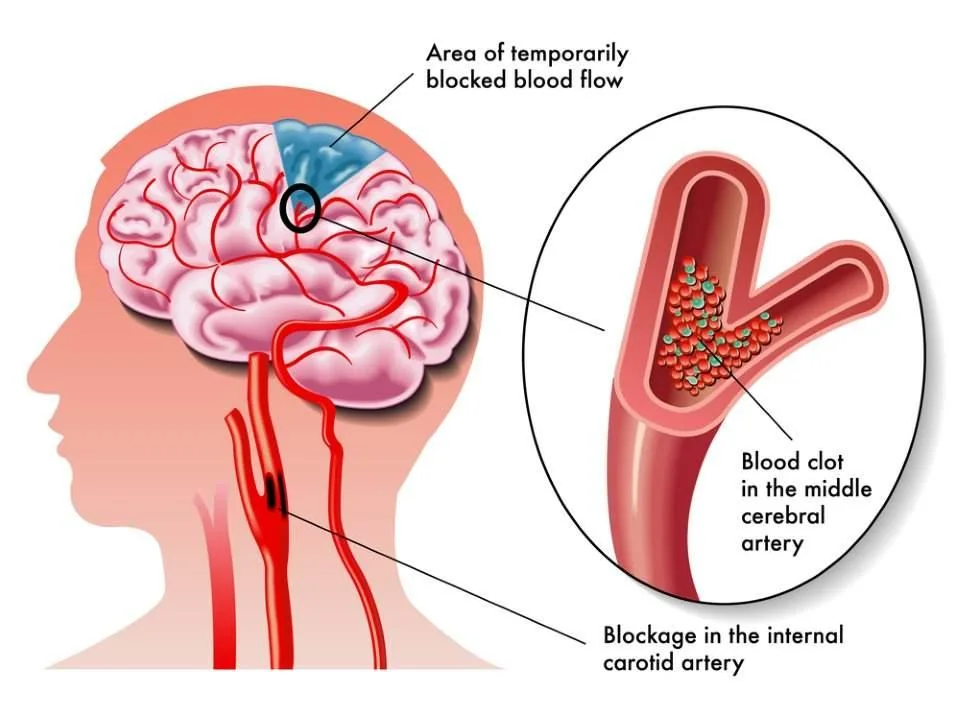



Stroke symptoms come on suddenly, often within seconds or minutes. The person may not realise anything is wrong, so it is usually a family member, colleague or bystander who has to act. Treatments that open a blocked artery work only within hours, and the earlier they start, the more brain can be saved.
Remember BE FAST
- B – Balance: sudden loss of balance, unsteadiness or difficulty walking.
- E – Eyes: sudden loss of vision in one or both eyes, blurred or double vision.
- F – Face: one side of the face droops. Ask the person to smile and look for an uneven smile.
- A – Arm: weakness or numbness in one arm (or leg). Ask them to raise both arms; one may drift down.
- S – Speech: slurred speech, wrong words, or difficulty understanding simple questions.
- T – Time: call 108 immediately and note the time the person was last seen normal.
Other sudden symptoms that can mean a stroke
- Numbness or tingling on one side of the body
- Sudden confusion or unusual drowsiness
- Severe dizziness or vertigo, especially with any of the signs above
- Difficulty swallowing
Signs that suggest bleeding in the brain
A haemorrhagic stroke often has the same signs as above, and may also cause:
- A sudden, severe headache, often described as the worst headache of one’s life
- Vomiting, a stiff or painful neck, or sensitivity to light
- A brief blackout or fainting, a seizure, or rapidly worsening drowsiness
- Very high blood pressure
What to do
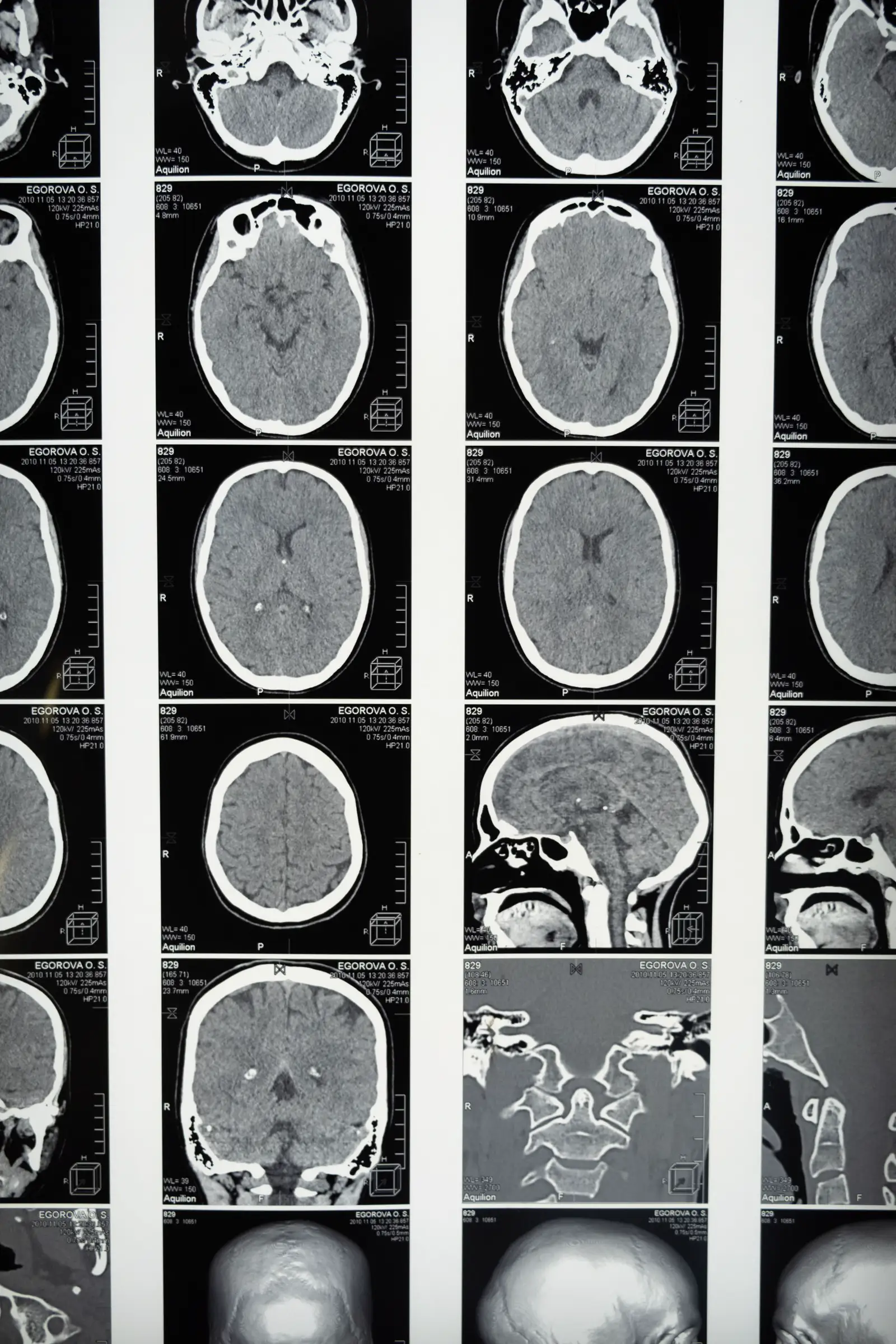
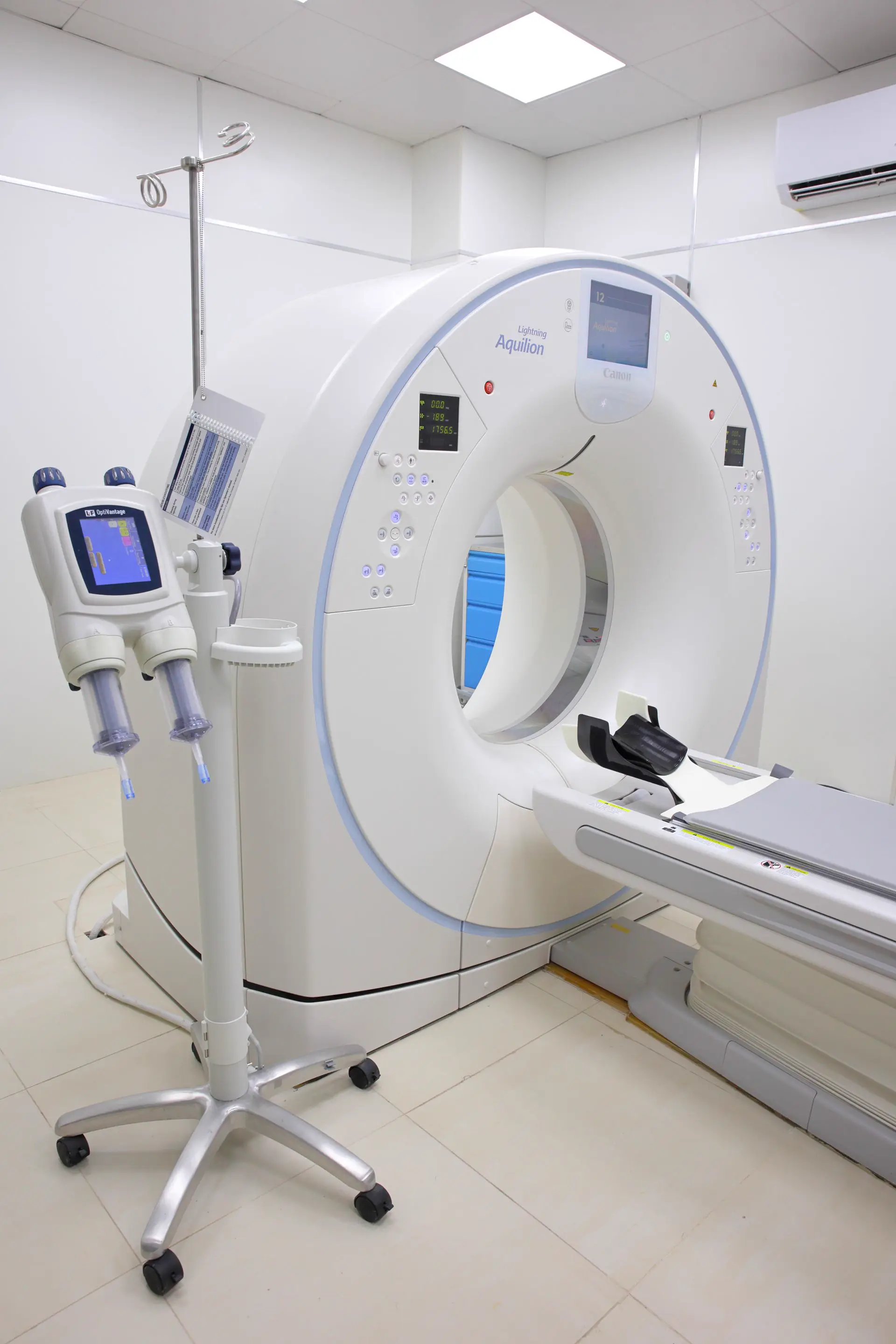
- Call 108 or go straight to the nearest hospital that has a CT scanner and an emergency department that treats stroke. Do not drive to a clinic or wait for an outpatient appointment.
- Note the time the person was last known to be normal. If symptoms were noticed on waking, the “last normal” time is when they went to sleep. This one fact decides which treatments are possible.
- Keep them safe: if they are drowsy or vomiting, lay them on their side with the head slightly raised so they do not choke.
- Take their medicine list, especially blood thinners, and any previous reports with you.
- Keep a phone number handy of a family member who knows their medical history, as doctors may need consent quickly.
What not to do
- Do not give aspirin or any other tablet. If the stroke is a bleed, aspirin can make it worse.
- Do not give food or water. Swallowing is often affected, and liquid can go into the lungs.
- Do not wait to see whether the symptoms settle, even if they improve. Improving symptoms can still be a TIA or the start of a major stroke.
- Do not apply home remedies, pricking the fingers, or oils. They waste time and do not help.
Why the time matters so much
For a blocked artery, clot-dissolving medicine (thrombolysis) can usually be given only within 4.5 hours of the last normal time. Removing a large clot with a catheter (mechanical thrombectomy) is most effective within 6 hours, and is possible up to 24 hours in selected patients whose scans show brain that can still be saved. Every minute of delay reduces the chance of a good recovery.