
A stroke happens when part of the brain suddenly stops getting the blood it needs. Without oxygen and glucose, brain cells in that area begin to die within minutes. That is why a stroke is always an emergency, and why the first question doctors ask is not only “is this a stroke?” but also “what kind of stroke is it?”
If you think someone is having a stroke right now, call 108 or go to the nearest emergency department. Do not wait to read further.
The two main types
1. Ischaemic stroke (a blocked artery)
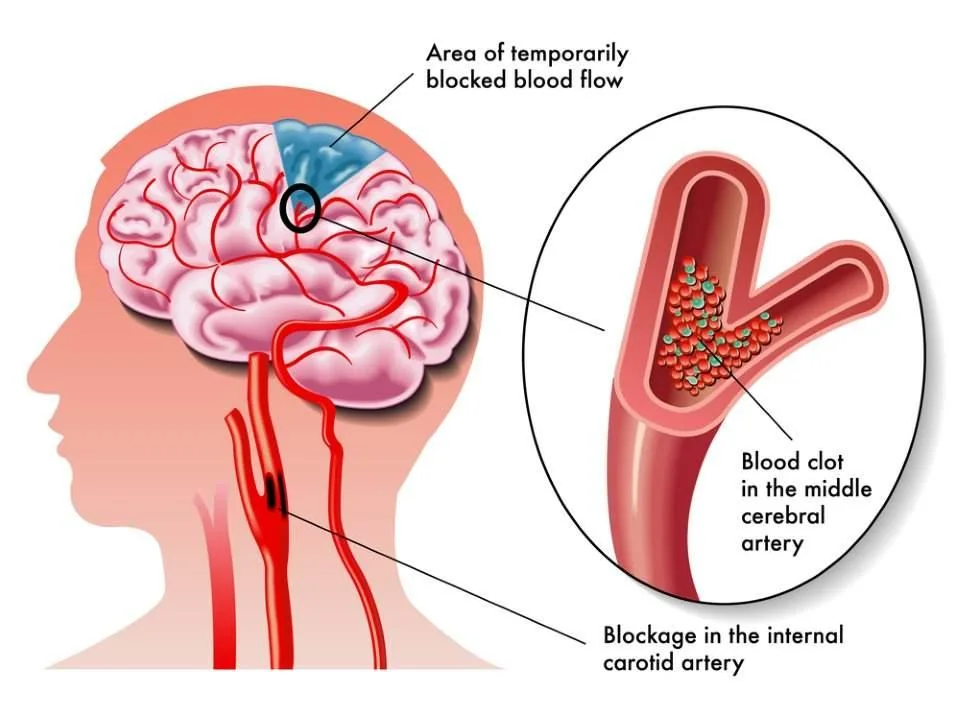
This is the most common type, accounting for roughly eight out of ten strokes. A clot blocks an artery that supplies the brain. The clot may form in a narrowed brain or neck artery, usually because of fatty plaque (atherosclerosis), or it may form elsewhere, most often in the heart, and travel up to the brain. An irregular heart rhythm called atrial fibrillation is a common source of these travelling clots.
2. Haemorrhagic stroke (a bleed)
Here a blood vessel in or around the brain bursts. The leaking blood damages brain tissue and raises pressure inside the skull. There are two forms:
- Intracerebral haemorrhage: bleeding into the brain tissue itself. Long-standing high blood pressure is the most common cause.
- Subarachnoid haemorrhage: bleeding into the space around the brain, most often from a burst brain aneurysm. It typically starts with a sudden, severe “worst ever” headache.
Less common causes of bleeding include an arteriovenous malformation (AVM, a tangle of abnormal vessels), blood-thinning medicines, bleeding disorders and, rarely, a tumour.
Other terms you may hear
- Transient ischaemic attack (TIA) or “mini-stroke”: stroke symptoms that go away, usually within minutes to an hour. A TIA is a warning sign. The risk of a full stroke is highest in the days that follow, so it needs urgent assessment the same day, not an appointment weeks later.
- Silent stroke: a small stroke that causes no obvious symptoms and is found later on a brain scan. Silent strokes still matter: several of them over time can affect memory and thinking, and they point to risk factors that need treatment.
- Brainstem stroke: a stroke in the lower part of the brain that controls breathing, swallowing, eye movements and balance. It can cause severe dizziness, double vision, slurred speech, difficulty swallowing, weakness on both sides or reduced consciousness, and can be mistaken for an ear or stomach problem.
- Cryptogenic stroke: a stroke where no clear cause is found after the usual tests. These patients often need further heart rhythm monitoring and heart imaging to look for a hidden source of clots.
- Lacunar stroke: a small stroke deep in the brain caused by blockage of a tiny artery, closely linked with high blood pressure and diabetes.
Why the type changes the treatment
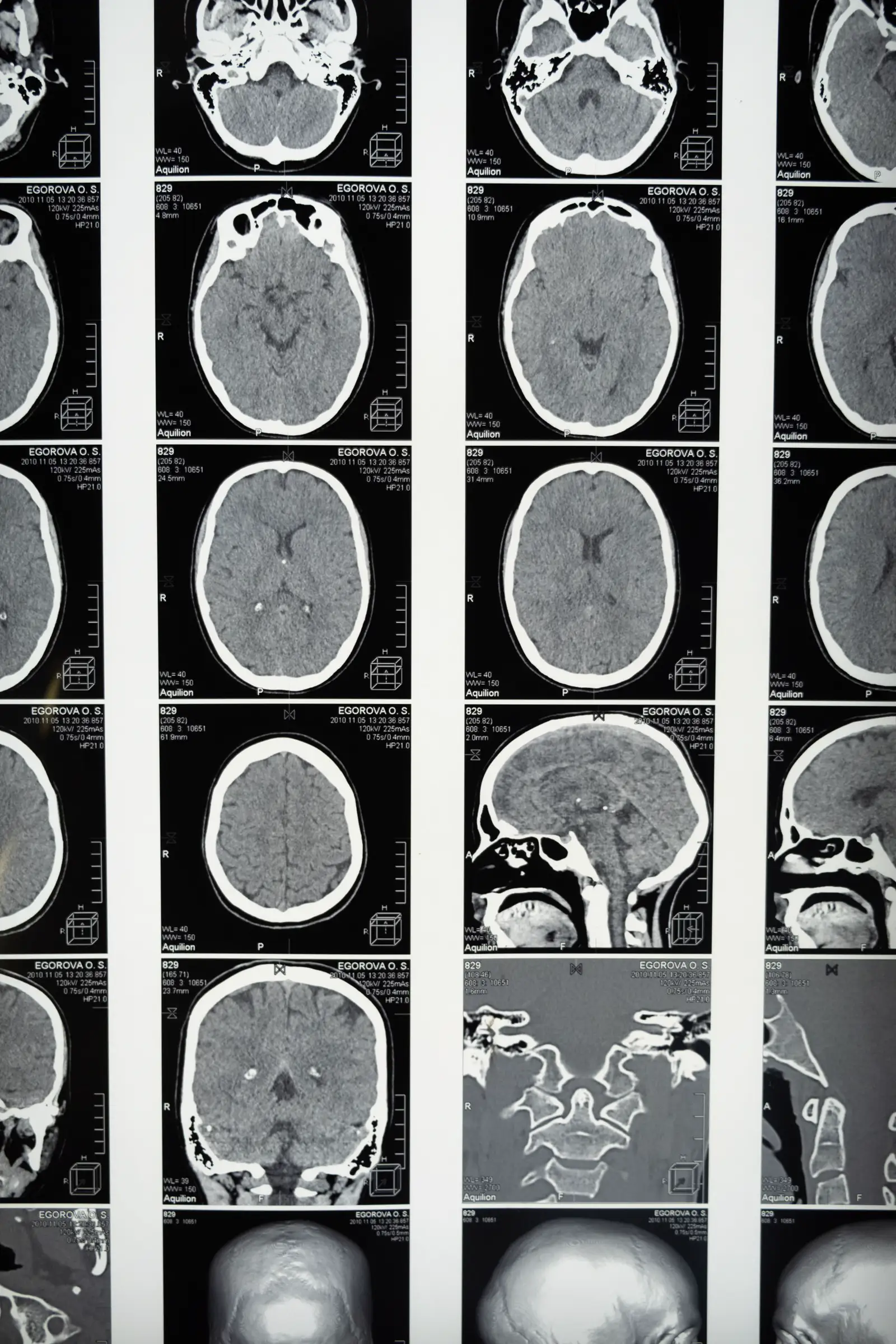
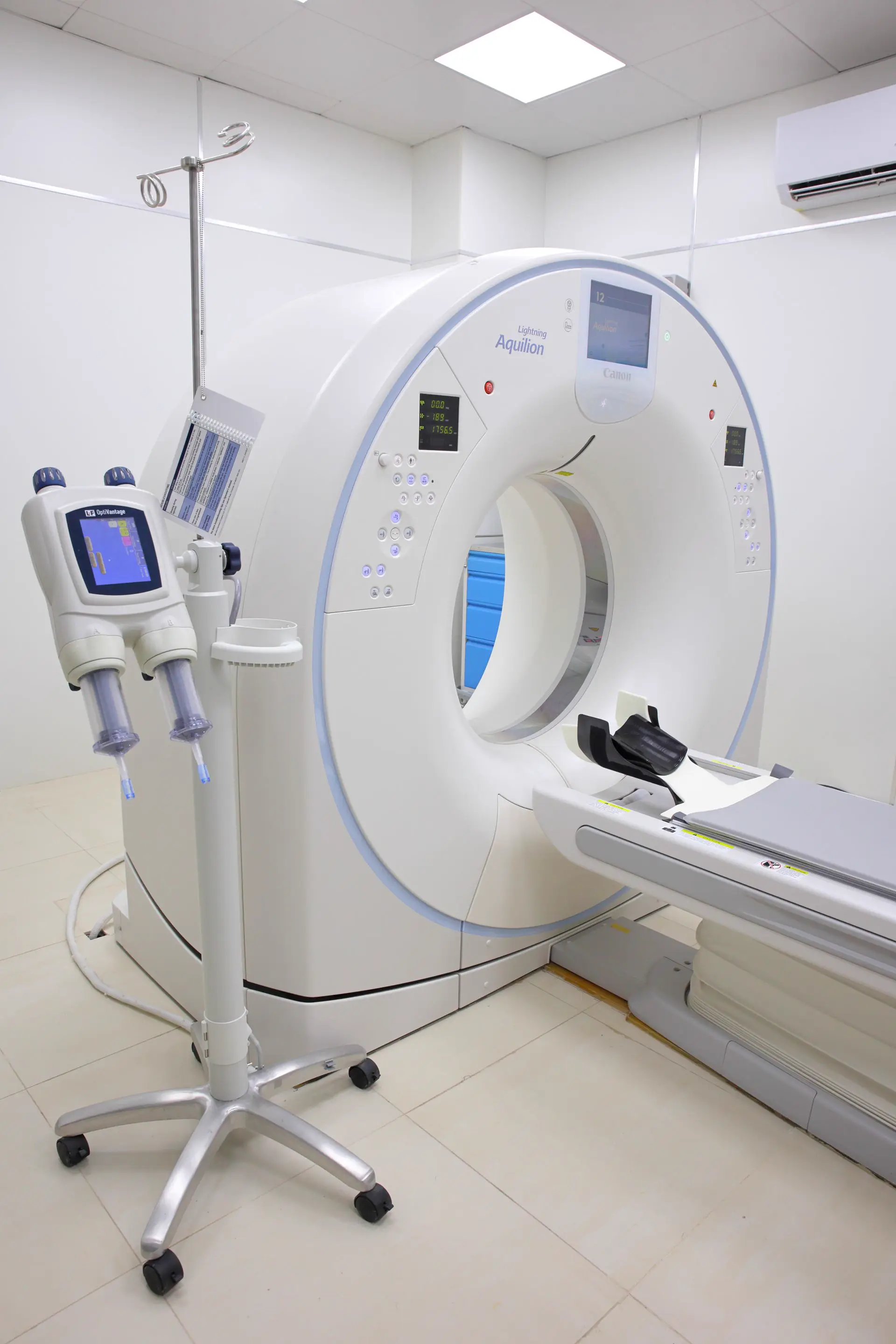
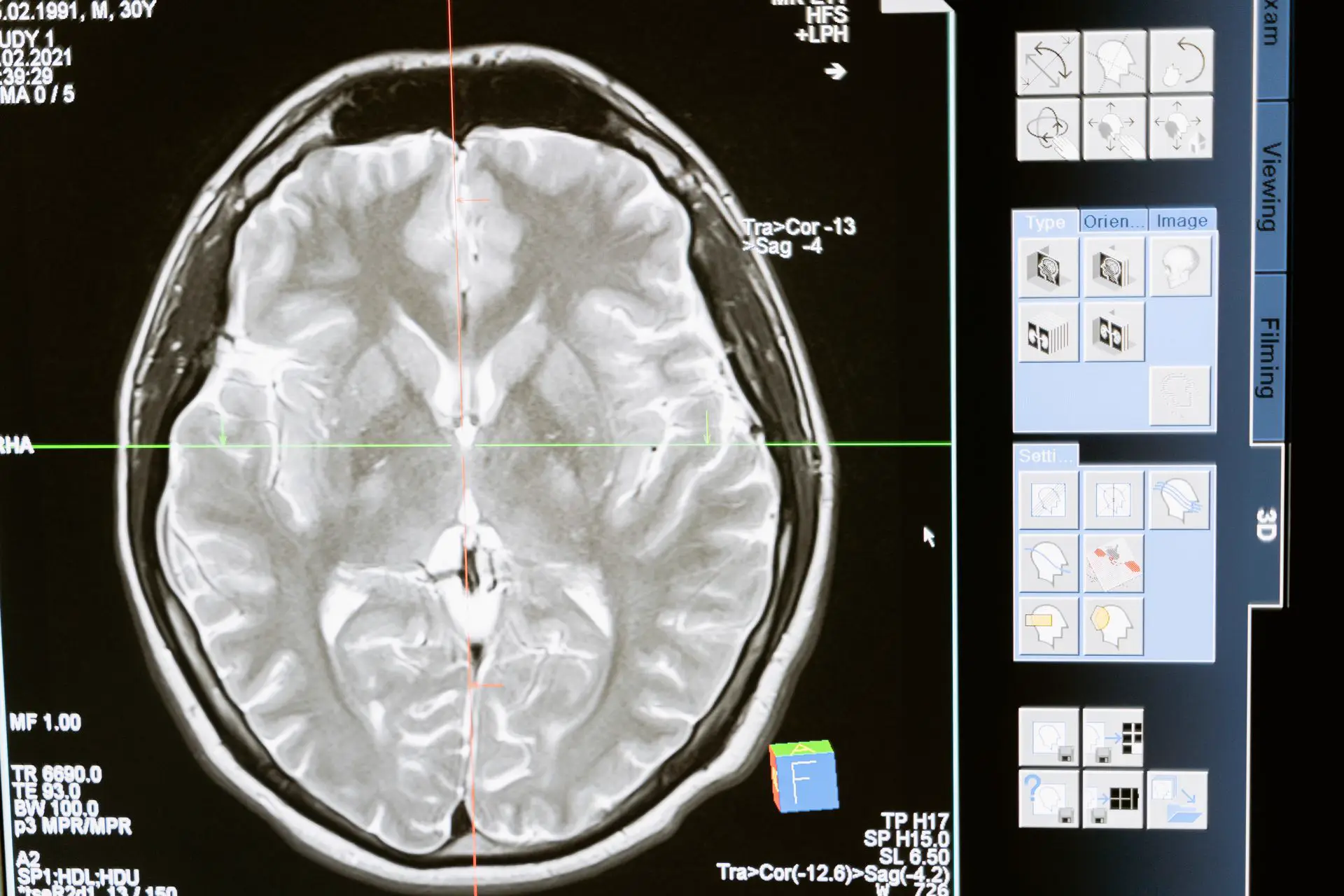
The two main types need opposite treatments. A blocked artery is treated by opening it, with clot-dissolving medicine or by removing the clot. A bleed is made worse by clot-dissolving medicine and is treated by controlling blood pressure, reversing blood thinners and sometimes surgery. The symptoms of both look the same from the outside, which is why every suspected stroke needs a brain scan (CT or MRI) as soon as the patient reaches hospital.
This is also why no medicine, including aspirin, should be given at home for a suspected stroke. Until the scan has ruled out bleeding, it is not safe.
Conditions that can look like a stroke
Some conditions produce sudden symptoms similar to a stroke. Doctors check for these during the first assessment:
- Low or very high blood sugar
- A seizure, or weakness after a seizure
- Migraine with aura
- Bell’s palsy (weakness of one side of the face only)
- Infections such as meningitis or sepsis, and low sodium levels
- Brain tumour or multiple sclerosis
It is never wrong to treat sudden symptoms as a possible stroke. Let the emergency team decide.