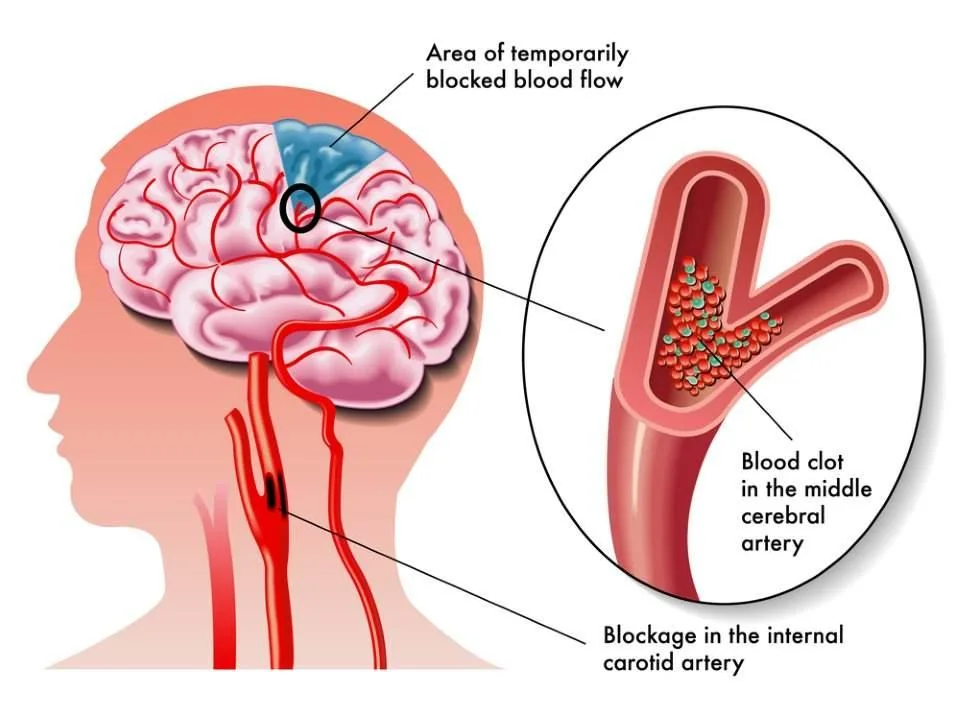


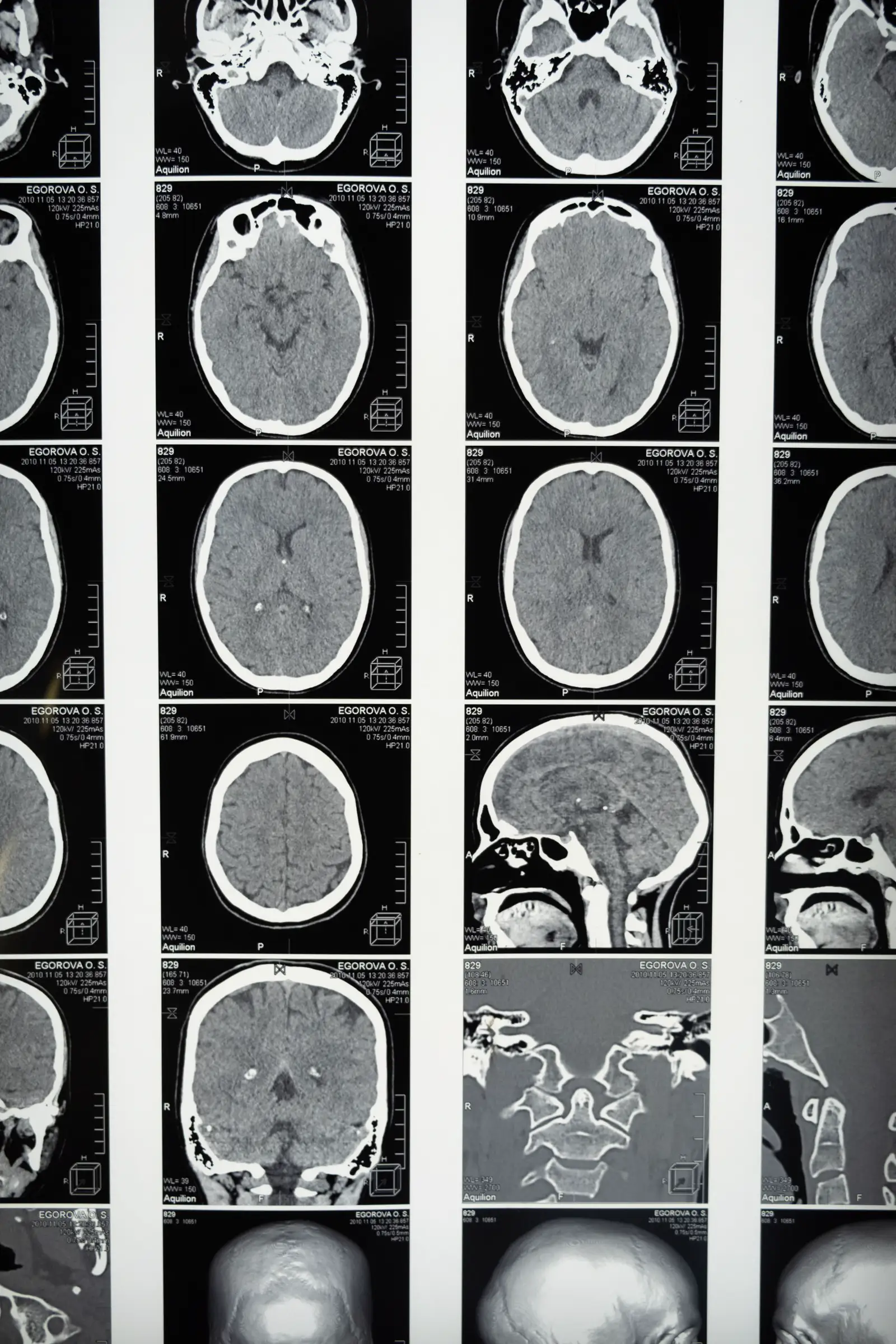
In a haemorrhagic stroke, a blood vessel in or around the brain bursts. The blood that leaks out damages nearby brain tissue and, because the skull cannot expand, raises the pressure on the whole brain. Bleeding strokes are less common than blocked-artery strokes, but they are often more severe in the first days and need intensive care.
Common causes
- High blood pressure: the most common cause of bleeding within the brain. Years of uncontrolled pressure weaken small arteries until one breaks.
- Brain aneurysm: a weak bulge in an artery that can burst and bleed around the brain (subarachnoid haemorrhage).
- Arteriovenous malformation (AVM): an abnormal tangle of blood vessels, often present from birth.
- Blood-thinning medicines or bleeding disorders.
- Amyloid angiopathy: fragile vessels in older people, causing bleeds near the brain surface.
- Less often: head injury, brain tumours, liver disease or drug misuse.
Treatment in the first hours
- Lowering blood pressure carefully and quickly, to reduce the chance of the bleed growing.
- Reversing blood thinners: stopping them and giving antidotes such as vitamin K, prothrombin complex concentrate or specific reversal agents, depending on the medicine.
- Neuro-ICU care: close monitoring of consciousness, breathing, blood sugar and temperature, with ventilator support if needed.
- Controlling brain swelling and treating seizures if they occur.
When surgery or a procedure is needed
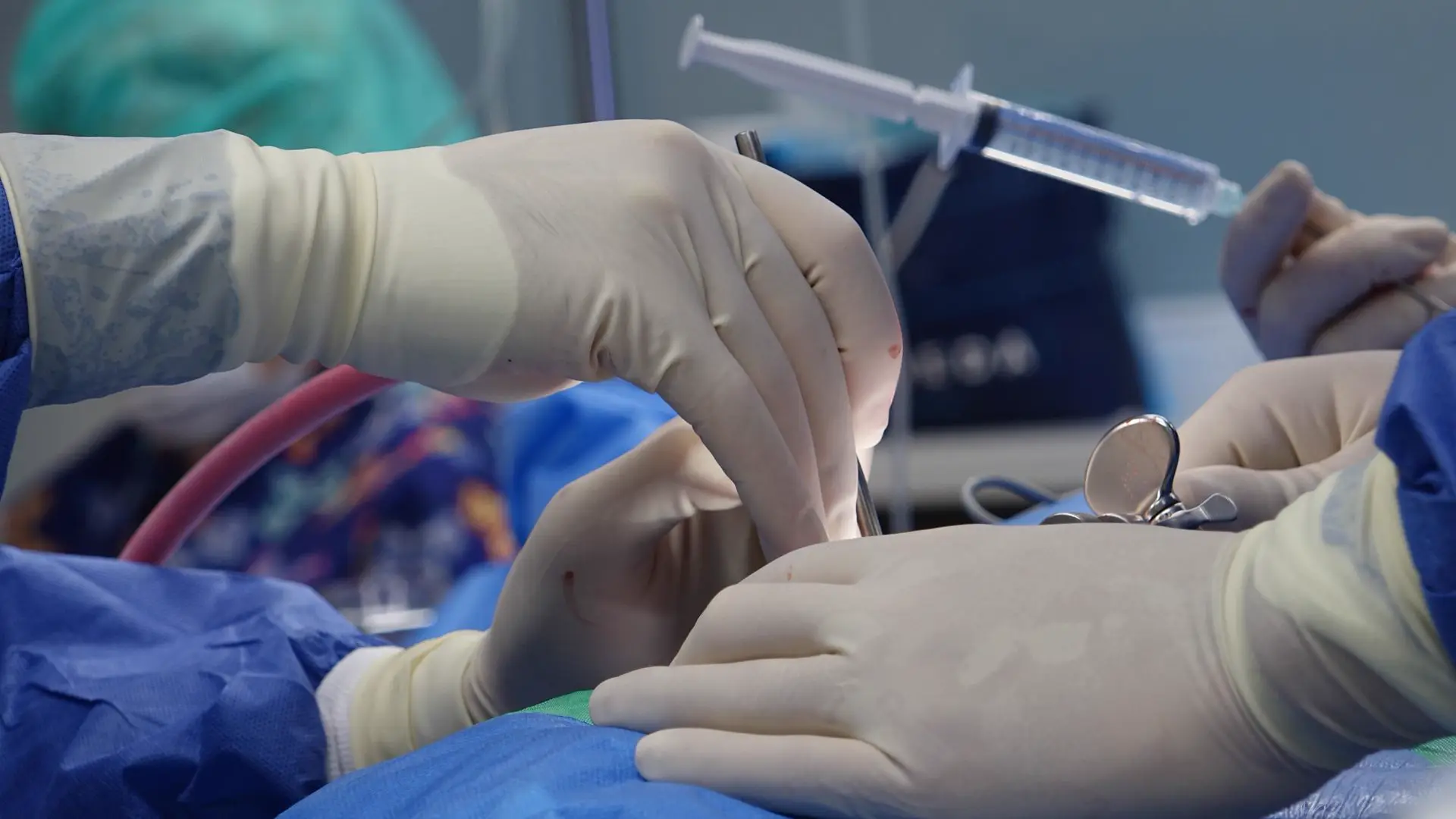
- Craniotomy: a neurosurgeon opens the skull to remove a large clot that is pressing on the brain, especially in the cerebellum (back of the brain).
- External ventricular drain or shunt: if blood blocks the flow of spinal fluid, fluid builds up (hydrocephalus), causing headache, vomiting and drowsiness. A thin tube drains it.
- Aneurysm coiling: for a bleeding aneurysm, a catheter is passed from the groin or wrist and soft platinum coils are packed inside the aneurysm to seal it and prevent another bleed. A flow-diverter stent is used for some aneurysms.
- Aneurysm clipping: in open surgery, a small metal clip is placed across the neck of the aneurysm. The choice between coiling and clipping depends on the aneurysm’s shape and location and the patient’s condition.
- AVM treatment: embolisation through a catheter, surgery or focused radiation, alone or in combination.
Many small bleeds within the brain do not need surgery and are managed with blood pressure control and supportive care.
Complications doctors watch for
- The bleed growing in the first hours
- Rising pressure inside the skull and brain swelling
- Hydrocephalus
- After a subarachnoid haemorrhage, vasospasm: narrowing of brain arteries between about day 3 and day 14, which can cause a second, ischaemic stroke. Patients are monitored for this in hospital and given nimodipine.
- Re-bleeding from an untreated aneurysm
- Seizures, infections and blood clots in the legs
Recovery
Recovery depends on the size and location of the bleed, the patient’s age and general health, and how quickly treatment started. Some people with small bleeds recover well; larger bleeds can cause lasting disability. Rehabilitation starts in hospital once the patient is stable, and controlling blood pressure for life is the single most important step to prevent another bleed.