
A large share of strokes are linked to a small number of risk factors that can be found and treated. Many of them cause no symptoms for years, which is why regular check-ups matter, especially after the age of 40 or if stroke runs in the family.
Risk factors you can change
- High blood pressure: the single biggest risk factor for both blocked-artery strokes and brain bleeds. A reading of 140/90 mm Hg or above on repeated checks needs attention, and many people need lower targets.
- Diabetes: damages blood vessels over time. Good sugar control reduces the risk.
- High cholesterol: builds plaque in the arteries of the neck and brain.
- Smoking and tobacco: including chewing tobacco and second-hand smoke. Smoking with oral contraceptive pills increases risk further in women.
- Heavy alcohol use and recreational drugs.
- Atrial fibrillation: an irregular heartbeat that allows clots to form in the heart. It is often silent and is a common cause of severe strokes; blood thinners greatly reduce the risk.
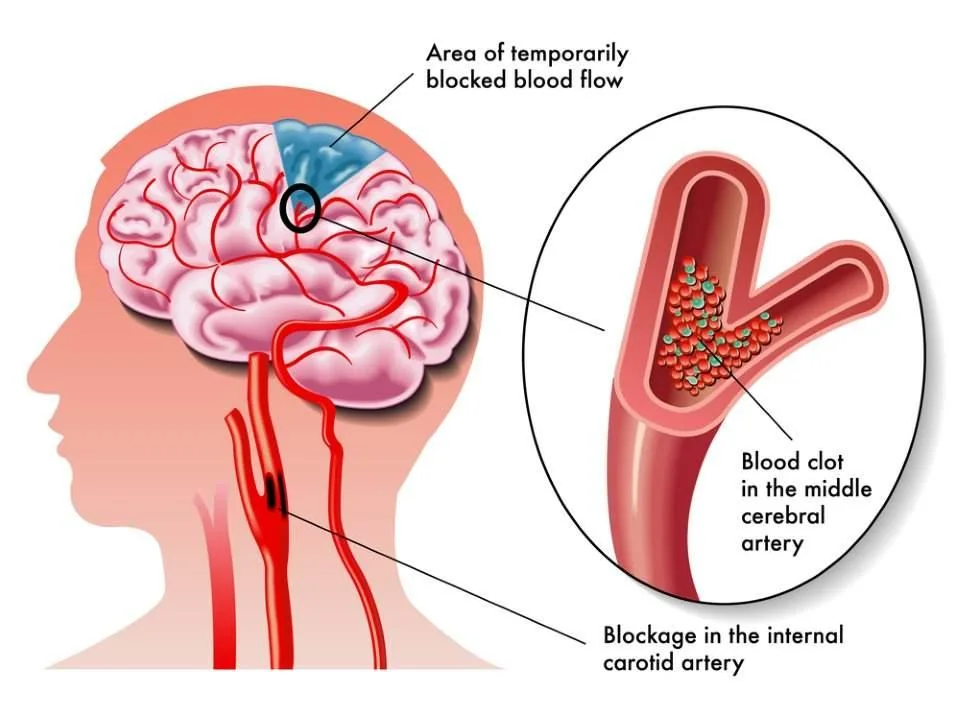
- Narrowing of the carotid arteries in the neck.
- Physical inactivity, obesity and an unhealthy diet.
- Sleep apnoea: loud snoring with pauses in breathing and daytime sleepiness.
Risk factors you cannot change
- Age: risk rises with age, but strokes also happen in young adults
- A family history of stroke or heart disease
- A previous stroke or TIA
- Some inherited conditions, such as clotting disorders
These cannot be changed, but they are a reason to control the other risk factors more strictly.
Practical steps
- Know your numbers: check blood pressure, blood sugar and cholesterol regularly.
- Take prescribed medicines every day, even when you feel well. Most risk factors do not cause symptoms until damage is done.
- Stop tobacco in all forms. The benefit starts soon after quitting.
- Move more: aim for at least 150 minutes of brisk walking or similar activity a week.
- Eat well: more vegetables, fruit, whole grains, pulses and nuts; less salt, fried food and sugary drinks.
- Keep a healthy weight, particularly around the waist.
- Limit or avoid alcohol.
- Get an irregular pulse checked: a simple ECG can detect atrial fibrillation.
- Treat snoring with breathing pauses: ask about a sleep study.
After a TIA or stroke
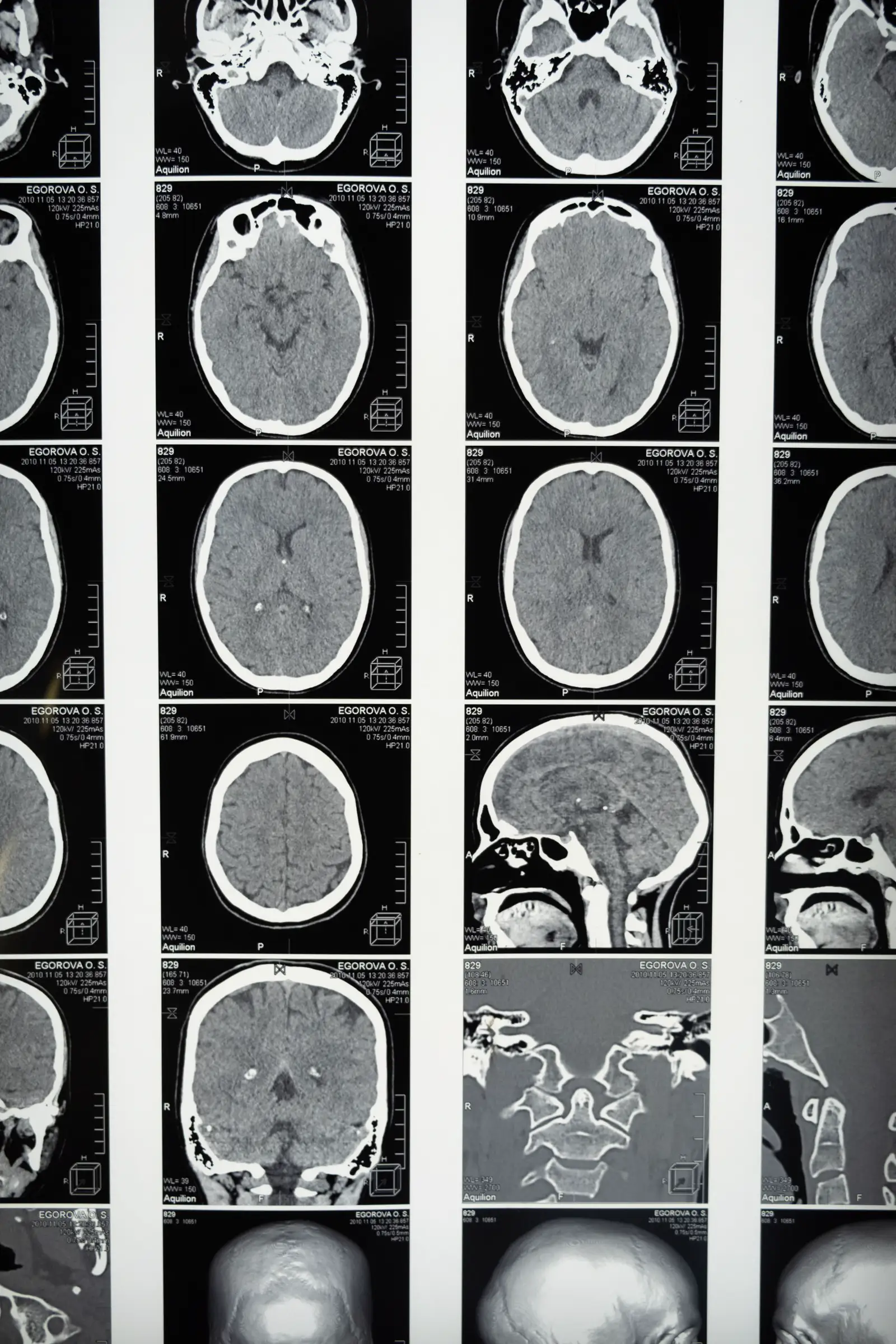
If you have already had a TIA or a stroke, your risk of another one is higher, and it is highest soon after the first event. Tests to find the cause, such as carotid Doppler, heart rhythm monitoring and an echocardiogram, help target treatment. Some people with severe narrowing of a neck artery benefit from carotid stenting or surgery.
Most importantly, learn the BE FAST warning signs and make sure your family knows them too. If a stroke does happen, calling 108 quickly gives the best chance of recovery.